
Concept Design Process in Glen Ellyn, IL
Concept design process in Glen Ellyn, IL gives homeowners a clearer, more confident way to move from early ideas to a plan that can actually be built. At Rite-Way Custom Homes, this process helps shape custom homes, additions, and remodeling projects before construction begins, giving you the chance to think through layout, flow, visual character, and key design decisions while the project is still easy to refine.
Whether you are starting with a rough idea, a growing wish list, or a more defined vision, our team uses planning, CAD drawings, 3D modeling, and virtual reality tools to help you understand how your future space can look and live before major commitments are made. If you want a broader look at our design-build capabilities, visit our services page.
How Our Concept Design Process Works
Good design decisions happen earlier and more effectively when homeowners can clearly see what is being planned. Our process is built to make ideas easier to understand, easier to refine, and easier to move forward with before construction begins.
Read More
Many clients come to us knowing they want to improve the way they live in their home, but they are not always sure where to begin. Some are thinking about an addition or renovation. Others are starting from the ground up with a custom home. In both cases, the challenge is often the same: turning ideas into a clear direction.
That is where our concept design process becomes especially helpful. We begin by talking through needs, priorities, and the way the home should function. From there, we use CAD tools to create a two-dimensional plan that can then be developed into a three-dimensional model.
Once the design is modeled in 3D, clients can view the home or renovation from different angles, look through rooms from realistic vantage points, and get a stronger sense of scale, layout, and flow. We often place furniture, cabinetry, appliances, and other elements into the design so the space feels easier to understand in practical terms.
For clients meeting with us in person, the process can go even further through virtual reality. That allows you to experience the design in a more immersive way before construction starts, which often leads to smarter refinements and more confidence in the final plan.
Making changes at this stage is usually far easier and more cost-effective than adjusting the project after construction is underway. That is one of the biggest reasons this process creates so much value for homeowners.
Whether the project involves a custom home, a major addition, or a larger renovation, our goal is to help you move forward with a clearer vision and a better plan.
1
Initial Consultation and Vision Planning
We begin with a detailed conversation about how you live, what you want to improve, and what the finished project should accomplish. This stage helps define the practical goals, design direction, and overall priorities that will guide the rest of the process.
- Lifestyle needs and goals to understand how the space should function day to day.
- Design inspiration including styles, layouts, and ideas that help shape the visual direction.
- Budget and timeline expectations so the planning process stays grounded in real-world priorities.
Whether you are planning a custom home, a remodel, or an addition, this first step helps create the clarity needed to move forward with confidence.
2
Site Selection and Evaluation
If your project involves a new home or major structural work, understanding the property is critical. If you already have a lot, we can evaluate it. If you are still looking, we can help you think through what kind of site best supports your goals.
- Lot size and shape and how they influence layout potential.
- Topography and environmental factors that affect how the design will sit and function.
- Zoning and building regulations that shape what can realistically be built.
If you are still in the early stage of finding the right property, our property acquisition page is a helpful next step.
3
Concept Design and Floor Plan Development
This is the stage where the project starts to take shape visually and spatially. We work through layout, room relationships, design priorities, and the overall look and feel of the project so you can begin to see how everything will come together.
- Custom floor plans built around the way the home needs to function.
- Exterior and interior design concepts that shape the architectural direction and material character.
- Space planning and room flow to make sure the design works practically as well as visually.
We use 2D plans, 3D modeling, and virtual reality tools to help you understand the design before construction begins. This allows you to see room flow, scale, sightlines, furniture placement, and overall composition in a more realistic way.
For homeowners considering a brand-new home, our custom home building page provides more detail on the full build process. For projects focused on expanding an existing home, visit our luxury home additions page.
4
Material Selection and Finishing Direction
Once the layout and concept are taking shape, we help guide the visual and material direction so the project feels cohesive and aligned with the home and the homeowner’s goals.
- Custom Amish cabinetry for kitchens, bathrooms, and built-in storage.
- Countertops, flooring, tile, and surfaces selected for both style and durability.
- Lighting, plumbing fixtures, windows, doors, and trim details that complete the overall design language.
This stage helps bridge planning and finish choices in a way that makes the final result feel more intentional.
5
Budget Finalization and Pre-Construction Planning
After the design is refined, we use that clarity to help prepare the project for the next stage. This reduces uncertainty and helps everyone move forward with a stronger plan in place.
- Transparent cost guidance tied to scope, selections, and customization level.
- Project timeline planning with milestone expectations.
- Permit and approval preparation so the work is ready to move toward construction.
For local building guidance, homeowners can also review the official Glen Ellyn Building Division resources.
6
Construction and Bringing the Plan to Life
Once planning is complete, the project can move into construction with more confidence and fewer surprises. That earlier concept work pays off because the vision, layout, and decision-making have already been carefully developed.
- Clear communication and regular updates during the build.
- Stronger coordination between design intent and construction execution.
- Higher-quality results because major decisions have been worked through before work begins.
That continuity is one of the biggest advantages of a design-build process handled with care from the very beginning.
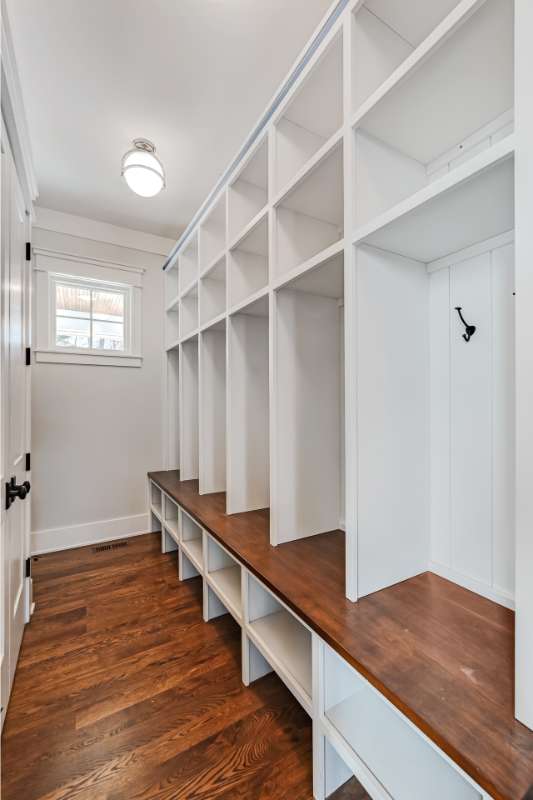
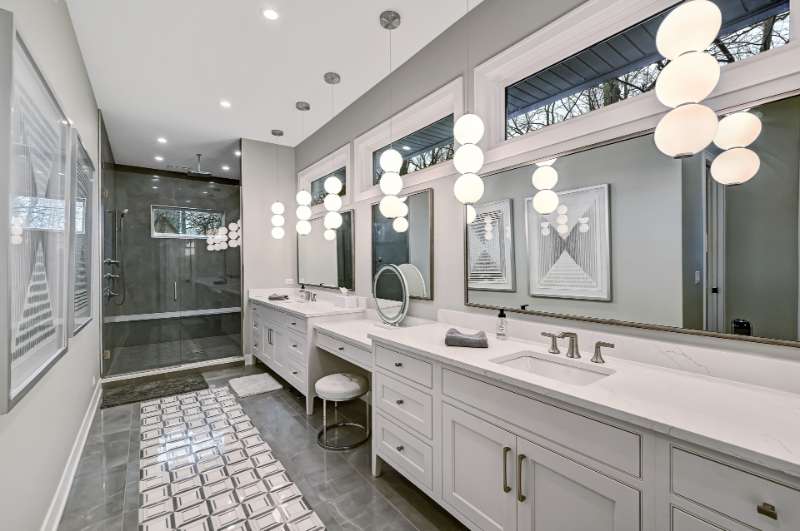
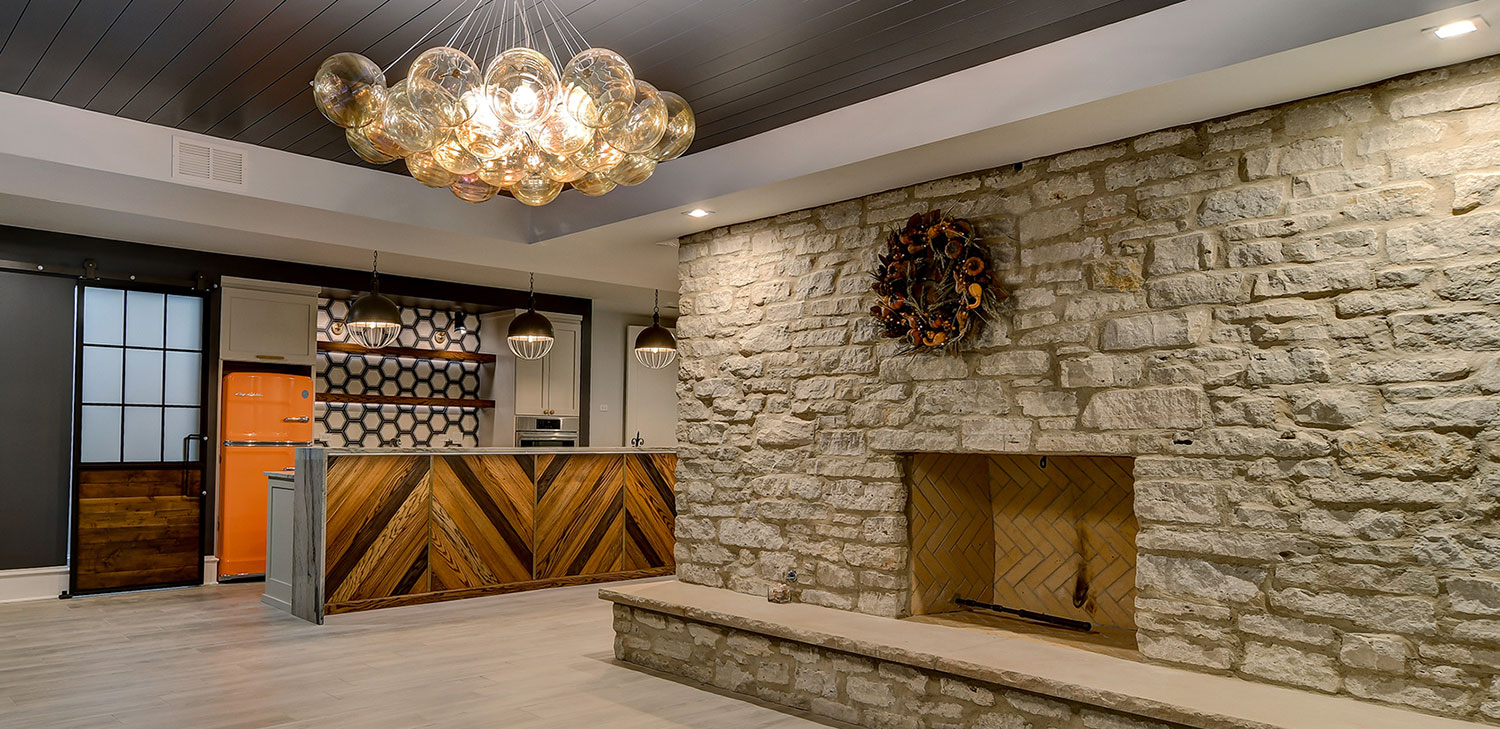
Why Homeowners Choose Rite-Way Custom Homes for Concept Planning
Decades of Experience Since 1990
For more than three decades, we have helped homeowners move from ideas to finished homes and remodeling projects with stronger planning, better clarity, and more confidence in the direction of the work.
Interactive Design Tools
2D plans, 3D visualization, and virtual reality make it easier to understand the project in a realistic way before construction begins, which helps homeowners make better decisions earlier.
A Clearer Path Into Construction
The concept design process reduces guesswork and gives the project a more defined foundation before major commitments are made, which leads to smoother progress later.
Support for New Homes, Additions, and Remodels
This process is valuable whether you are planning a custom home, a major addition, or a substantial renovation that needs more thought and coordination before construction starts.
Local Experience in Glen Ellyn and Nearby Wheaton
We work with homeowners in Glen Ellyn, IL and nearby Wheaton who want a better way to think through design decisions before moving into the build phase.
When the Concept Design Process Is Especially Valuable
Helpful for Projects That Need More Clarity Before Construction
Some homeowners know exactly what they want before they begin. Others know something needs to change, but they are not yet sure what the best answer looks like. That is often where the concept design process is most useful.
It is especially valuable for custom homes, major additions, and remodels that affect multiple rooms or the way a home flows. The ability to test ideas, refine layouts, and visualize the project before work starts helps create better outcomes and fewer costly changes later.
If your project is more room-specific, you may also want to explore our kitchen remodeling, bathroom remodeling, and basement finishing pages.
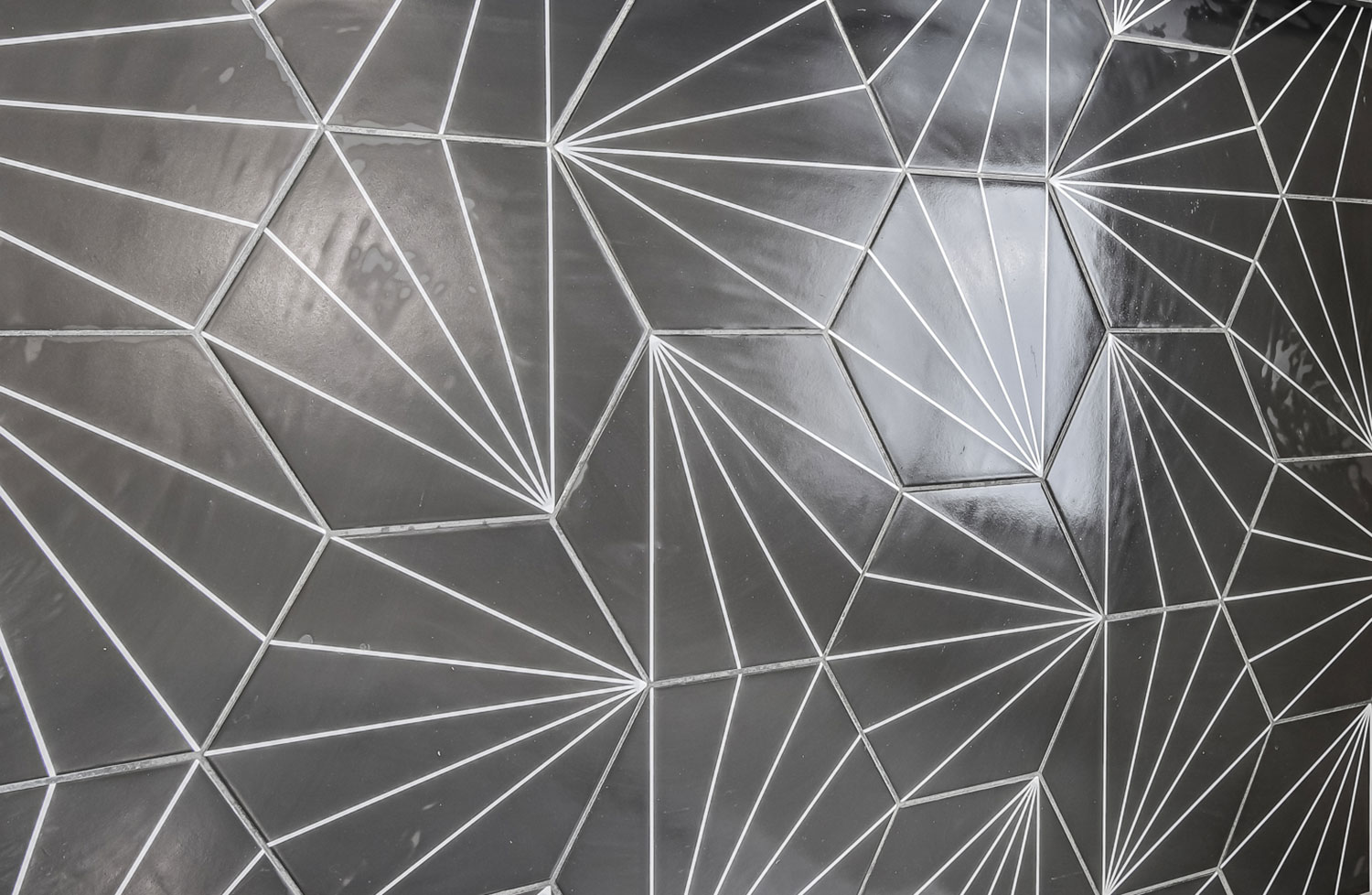
Why Visualization Matters Before the Build Starts
Seeing the Project Early Leads to Better Decisions
Homeowners often understand a design much better once they can see it beyond a basic floor plan. That is why 3D modeling and virtual reality can be so valuable. They make it easier to understand proportions, room flow, ceiling heights, window placement, furniture fit, and how the finished project may actually feel in use.
That clarity often leads to better conversations, smarter revisions, and a stronger final plan before the project reaches permitting and construction. In many cases, it is the difference between hoping something works and knowing it works.
If you are still in the earliest planning stage and need help thinking through the property itself, our property acquisition page is also worth reviewing.
Frequently Asked Questions
Is the concept design process only for custom homes?
No. The concept design process can be used for custom homes, additions, and larger remodeling projects that need a clearer plan before construction begins.
Can you help if I only have rough ideas so far?
Yes. Many homeowners start this process with only a general sense of what they want to improve. The purpose of concept planning is to turn those early ideas into a workable direction.
Do you use 3D design and virtual reality?
Yes. We use CAD, 3D modeling, and virtual reality tools to help homeowners understand the project more clearly before construction begins.
Do you work in both Glen Ellyn and Wheaton?
Yes. We work with homeowners in Glen Ellyn, IL and nearby Wheaton on concept planning for custom homes, additions, and remodeling projects.
Start Planning with More Clarity
If you are ready to move from rough ideas to a clearer, more buildable direction, Rite-Way Custom Homes is ready to help. Our concept design process gives homeowners a smarter way to plan custom homes, additions, and remodeling projects before construction begins.
Call (630) 790-8144 or contact us online to schedule your consultation.