

Media – Videos and Photos
New Home Videos
Spec Home Meets Custom Options!
Read More
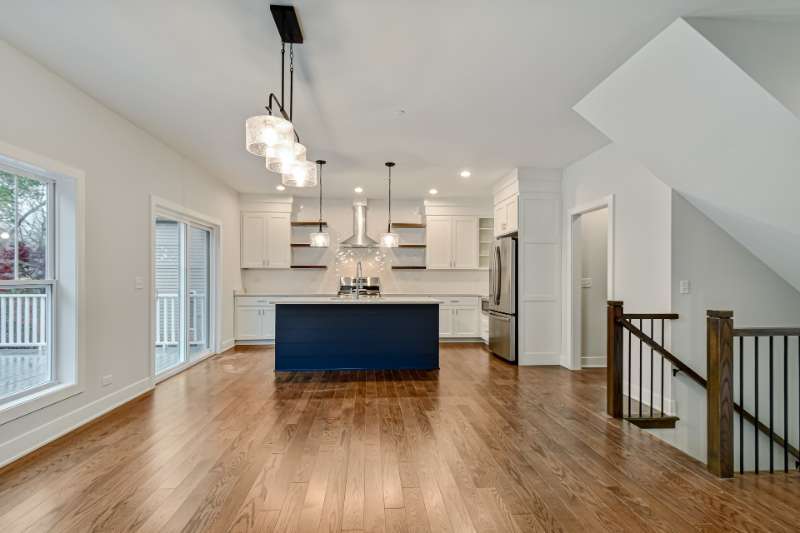
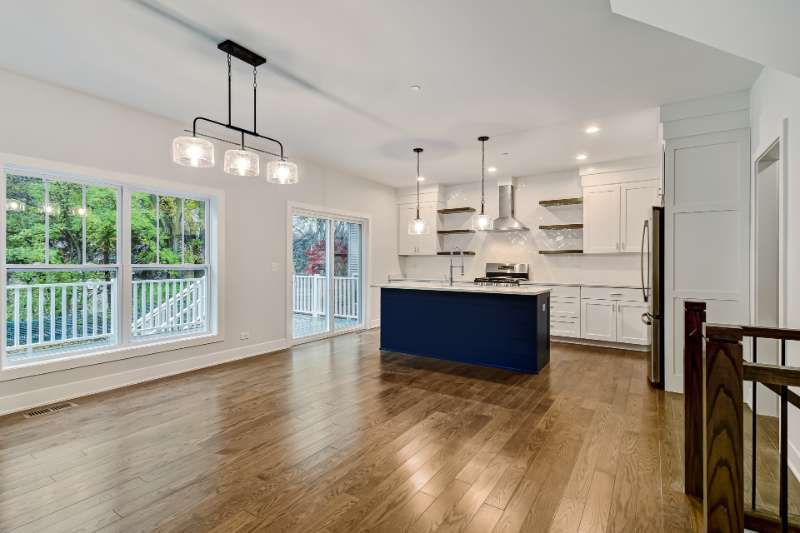
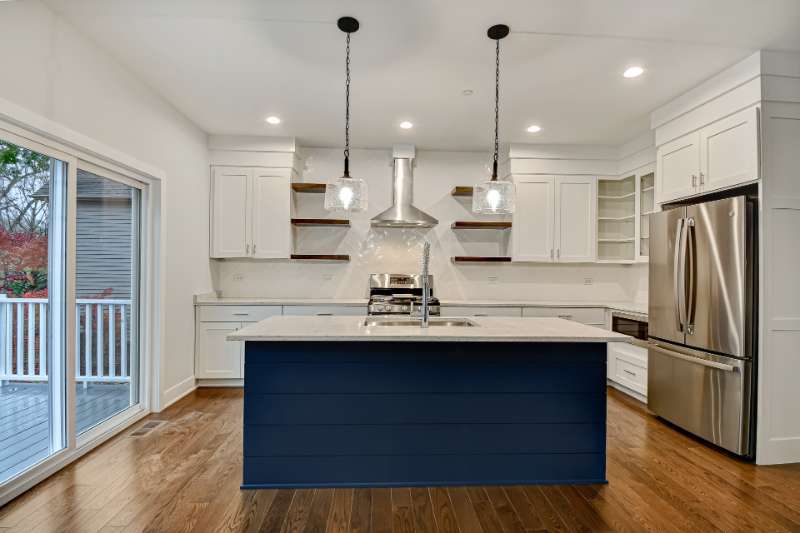
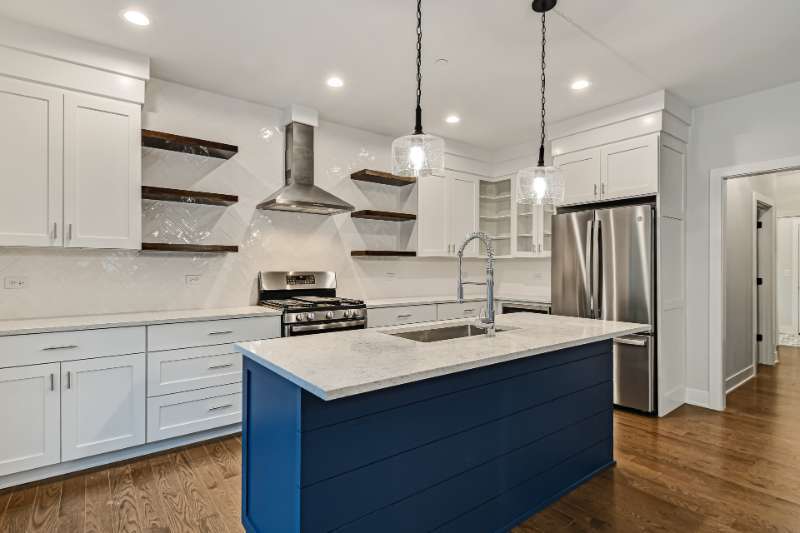
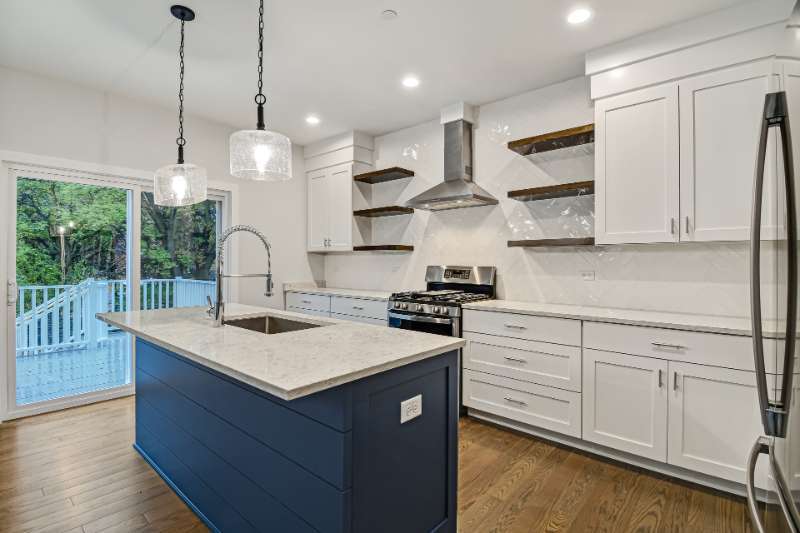
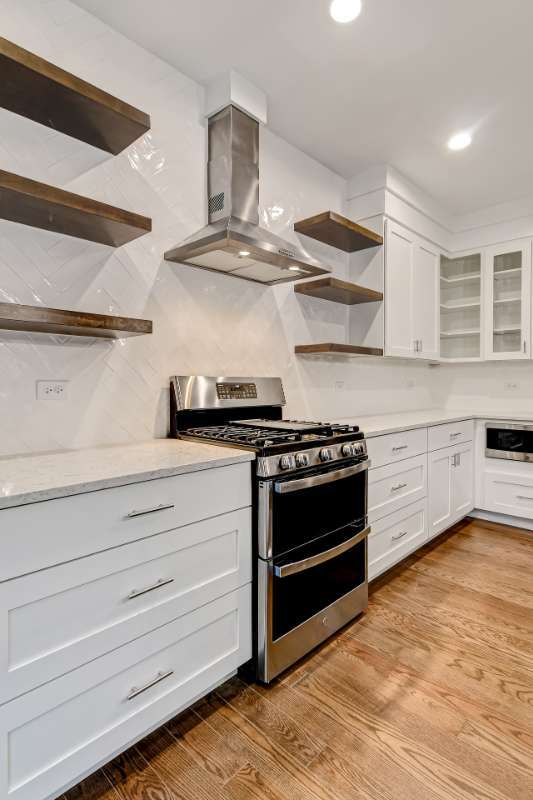
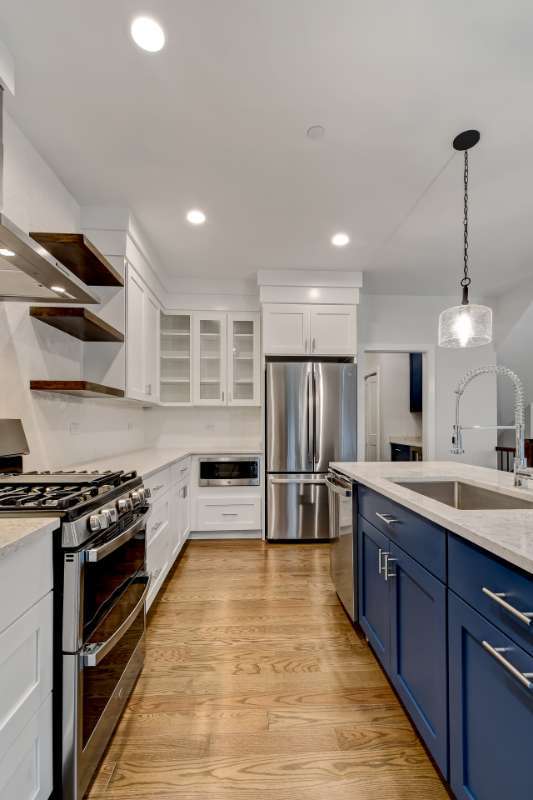
Hi. We’re here to show you our new custom build from Rite-Way Custom Homes. Enjoy!Check out this expansive island we installed for our client. With lots of cabinet space and countertops. This is an example of our roll out. As you can see, easy open, gentle glide. We’ve included a full-size Sub-Zero refrigerator and freezer. This is a Wolf induction range oven.
We’d love to design and build one for you. Give us a call.
Spec Home Meets Custom Options!
Classic New England Design in Glen Ellyn
Urban Grace (605R)
One of Our Favorite Projects! (710E)
Geneva Remodel – Extraordinary Kitchen! (25F)
Extraordinary Remodeling Makeover (633M)
White Oak Kitchen (525O)
Basement Remodel (237V)
Insurance Restoration (346P)
Fire Restoration & Addition (512W)
Country Home (3N5FO)
2nd Story Addition & 1st Floor Renovation (1440S)
Before / During / Completed Renovation (870S)
The Glen Ellyn Movie – Original 2007 Edition!!
Builder Bites
Rough Framing and Mechanicals.
Read More
One of the most exciting stages of a custom home build happens right after rough framing is complete.
At this point, you can really begin to understand the size, scale, and flow of the home. Rooms take shape, ceiling details become visible, and what was once a set of drawings starts feeling like a real home.
But behind the scenes, there’s even more happening. Our trade partners are installing the home’s critical systems—including HVAC, plumbing, electrical, and low-voltage wiring for internet, security, audio, and smart home technology.
These systems are carefully coordinated before insulation and drywall are installed, helping ensure everything functions exactly as intended for years to come.
It’s not the glamorous stage of construction, but it’s one of the most important. The quality of what’s hidden behind the walls often determines how well a home performs long after move-in day.
This video is an example of what one of our Glen Ellyn ranch homes looks like after framing and near the end of the rough mechanicals installation. Although it hasn’t been installed yet, this beautiful home will have a fabulous in-ground swimming pool and spa before we turn the home over to our client!
We designed this home in-house on our CAD system and would love to design and build one for you!
One Of Our Favorite Appliance Brands
Read More
Hi. I wanted to quickly share a wonderful experience our team recently had.
We traveled to Madison, Wisconsin to visit the corporate headquarters of Sub-Zero, Wolf, and Cove. We were invited by Sub-Zero and Abt Appliances to participate in a private learning session with about a dozen luxury home builders from across the Midwest.
Over a couple of days, we had the opportunity to dive into their refrigeration, cooking, and dishwashing product lines. We were able to test the appliances ourselves, see some of their newest products — including their under-counter clear ice maker — and learn more about their refrigeration and cooking systems.
One of the highlights for me was learning more about the Cove dishwashing line. It’s an incredibly efficient and remarkably quiet machine.
But honestly, the biggest takeaway was seeing just how seriously they take product testing. These appliances go through an extraordinary amount of testing during the manufacturing process. Their goal is simple — build a high-quality appliance designed to last 20 years or more.
Out of respect for the factory team, we weren’t allowed to take photos or videos during the factory tours. So I’ve attached a short video from Sub-Zero that gives you a behind-the-scenes look at how their appliances are made.
If you’re planning a new home or a kitchen renovation — and quality really matters — Sub-Zero, Wolf, and Cove remain our first choice. We think they should absolutely be considered for your home.
Thanks so much.
References of Where We Have Worked
Read More
Here’s the Glen Ellyn map. The pins represent more than 275 projects we’ve completed in and around Glen Ellyn — including over 100 custom homes, 23 townhomes, and more than 100 renovations and additions.
This isn’t about volume — it’s about local experience. We know the neighborhoods, the lots, the architecture, and how to navigate building in Glen Ellyn and the surrounding suburbs.
If you’re thinking about building new or transforming your existing home, chances are we’ve already built near you. Reply to this email if you’d like to talk — I’m always happy to share ideas and insights from decades of building in these nearby neighborhoods. Thanks so much.
Date The Rate, Marry The House
Read More
What does it mean to date the rate but marry the home?
Mortgage rates go up and down — that’s normal. But the cost to build a new home almost always trends upward.
Here’s the part many people miss:
The longer you own a home in a great location, the more appreciation works in your favor. Time in the market builds real wealth.
So instead of trying to time interest rates, focus on what really matters — the right lot, the right builder, and the right plan. Then lock in your construction agreement.
We work with lenders who can secure today’s rates for a year or more. If rates rise, you’re protected. And if they fall, you can refinance.
Don’t wait for the perfect rate. Build the right home.
Date the rate. Marry the house. Build long-term value.
Should I Wait To Build?
Read More
A question we’ve heard for years is: Should I wait to build? Will prices drop if I do?
Here’s the honest answer from someone who’s been building for decades.
Waiting rarely makes building cheaper.
Yes, interest rates move. Markets shift. But construction costs behave very differently than home prices. Labor almost never goes backwards. Materials may fluctuate, but over time they trend up. And developed lots typically become more scarce, not less. Even when housing markets cool, the cost to physically build a home usually doesn’t drop in a meaningful way.
What I’ve seen over 30+ years is this: people who wait are hoping for the perfect storm — lower rates, lower costs, and more inventory. That combination rarely shows up. And when demand comes back, prices often move faster than people expect.
So instead of trying to time the market, the better question is:
Does building now make sense for your lifestyle, your family, and your long-term plans?
Because real estate decisions made around lifestyle tend to age far better than ones made trying to predict the market.
Make Sure You’re Buying A Fully Developed Buildable Lot
Read More
One question we get all the time from clients — and even lenders — is this:
What exactly is a fully developed, buildable lot?
In simple terms, it’s a lot that’s truly ready for a new home.
That means water, sewer, gas, and electric are already at the site.
It should also have high-speed internet available, direct access to a public street — typically with sidewalks and curbs — and proper zoning for a single-family home.
If any of those pieces are missing, you’re no longer just building a home — you’re developing land.
And that can add significant cost, time, and complexity.
Before you buy a lot, make sure you know whether it’s fully developed.
It’s one of the biggest factors in predicting your real construction cost — and avoiding expensive surprises later.
Sound Control In Homes
Read More
Testing, 1, 2, 3 — do you have a sound problem?
While at the International Builders’ Show in Orlando, we explored something homeowners ask us about all the time: how to make their homes quieter. Sound control has become a major priority in modern new home construction. In the next two clips, we’ll share two high-performing options.
The first is from SONOpan — a really interesting sound-dampening panel that’s getting a lot of traction with builders. The second is from our friend Jim at AcoustiBlok. Jim has been exhibiting at the International Builders’ Show in Orlando and Las Vegas for as long as I can remember.
As you’ll see — and hear — both of these products work incredibly well. When you’re ready to talk more, I’d love to explore ways we can help you control sound in your home. Thanks so much.
Why The Low Cost Builder is Rarely the Least Expensive
Read More
Why the Cheapest Builder Is Almost Never the Least Expensive. Most people think that hiring the cheapest builder saves money. In reality, it usually costs you more. Here’s why. Low bids often mean one of three things. Something was missed, something was assumed, or something will be charged later. That’s where change orders come in. Selections that weren’t realistic, details that weren’t clarified, or systems that were under designed. Suddenly, that great price grows. And fast. Then there’s schedule. Cheaper builders often juggle too many jobs, underpay trades or don’t control the process. Delays cost real money, rent, interest, stress and lost time. And finally, quality. You don’t see shortcuts until months or years later, when repairs, callbacks and frustrations show up. The truth is, the least expensive builder on paper is rarely the least expensive over time. The right builder costs more up front and saves you far more in the long run. If you want to talk honestly about what building prices include, let’s get together in our office over a cup of coffee or tea. Hope to see you soon.
30 Year Mortgage, 2% Below Market Rate
Read More
Hi. If you’re considering purchasing a townhome at our Harding Glen development in Glen Ellyn, this will be important. Right now, some buyers may qualify for a 30 year mortgage structured well below today’s rate, especially in the first two years. Here’s how it works. Year one, your interest rate is 2% below today’s market rate and in year two it’s 1% below today’s market rate. Years 3 through 30, the rate will stabilize at today’s market rate. So this isn’t an adjustable rate guesswork. It’s a thoroughly structured loan tied to Harding Glen Townhomes and it can make a meaningful difference in your first two years of payments. Not for everyone, and qualifications do matter, but for the right buyers, it can significantly improve affordability while you settle into your new home. If you’re thinking about Harding Glen Townhomes or even considering options, reach out to me directly. I’ll tell you if it makes sense in your situation or if it doesn’t. No pressure, just smart information before you make the big decision. Thanks so much.
One Of Our Favorite Window Companies
Read More
Hi. I thought I’d take a couple minutes and just answer the question that many of our clients ask us. It’s typically about windows. And it’s which window manufacturers do you like? And certainly there’s a lot of really quality windows out there. Different manufacturers all the way across the United States. You know, you’ve got the Anderson’s and the Pella’s, the Marvin’s, the Kolbe and Kolbe’s, the Jen Weld’s and a variety of other good window makers. But the one that we like to recommend the most is a company called Sierra Pacific. And a couple months ago, I had the opportunity to spend the day with Sierra Pacific’s president. And it was just touring their factories and just seeing how they make those windows. And although we’d been using their windows for many years, I was really impressed with how that process went. And one of the most interesting statistics I got out of that, they talked about being the largest private land owner in North America. They own 2.4 million acres of forests! And the statistic that Tom gave was really impressive. He says if you start at the Pacific Ocean and you think about an acreage or a forest that is a mile high, if you will, north to south, you could run it all the way across the United States and 220 miles into the Atlantic. That’s how much forestry they own. Right after this, we’re going to play. I’ve attached a video about Sierra Pacific. I hope you like it. Thanks for listening. Bye.
Navigating Building Permits
Read More
I’ve received a number of inquiries and comments recently about how difficult the permit process can feel in Chicago suburban municipalities, and I get it. For most homeowners, it’s confusing, time consuming and very frustrating. Rite-Way has worked in the western suburbs for over 35 years. We completely understand homeowners frustrations around permits. Municipal permits processes are thorough, sometimes slow, and often more complex than people expect. And of course, they vary from town to town. That said, the intent almost always is consistency, safety and protecting the character of the communities we love. The challenge is navigating processes involving multiple reviews, interpretations and revisions. It can feel overwhelming for homeowners doing this for the first time. Having experienced professionals involved early architects, builders and engineers who know the municipalities can make a significant difference in reducing delays and surprises. It doesn’t make the process instant, but it will make it more predictable. If you’re thinking about a renovation, addition or a new home and want a better understanding of what to expect before submitting for permits, feel free to reach out to me. I’m happy to share what we’ve learned over 35 years to help you avoid unnecessary surprises. There’s no pressure, just good information.
Missing Concept Design 101:
Concept Design Process
Read More
Many of our clients initially come to us with the thought that they’d like to do an addition or a renovation to their home, but they just don’t know quite where to get started or what to do. They may know that they’d like to have a new kitchen or a bump out to the back of their home, but they don’t really have a concept of exactly what that should look like. In those cases, we often get involved and propose that we do a concept design plan for them. It’s really a process of us coming to their home and talking with them, understanding what’s important to them, what they’d like to get out of the design, how they’d like to live differently in their home. And after we’ve had those conversations, we walk their house and look at it and think about in our minds what could be done from our knowledge of construction. And from there, we go back to our office and we take dimensions, measurements that we took at their home while we were there. It often helps if they have a survey or maybe even the original blueprint of the house, but we take those and we put them into our CAD system, and we initially draw a home that matches, if you will, their existing home. And once we have that, it’s a two dimensional drawing. It makes it then very easy for us to look at it, think about how it might be different to meet their needs. And from looking at it and just adding our experience of over 30 years of building homes and designing them, it usually comes to us relatively quickly of, hey, here’s how it could be done very cost effectively and uniquely for them. From there, we can very easily add furniture in it. If it’s a second floor, we’ll add beds to it. If we know that they have King size beds, we’ll put those in. If they have twins or Queen size beds, we can accommodate that, too. Put some paintings on the wall and maybe a TV in a bedroom or in a family room, whatever it might be, put couches in so that it makes it feel like, okay, this is how that space would live. From there, the next step lots of times we’ll just simply get on a Zoom call with them where we can talk to them about it. We can share our screen so that they can see what we’ve drawn. Here’s where we started, here’s where we’re headed to, and we can also very quickly from there, just push a couple of buttons. And now all of a sudden, that two dimensional blueprint, if you will, becomes three dimensional so they can see the walls have grown, just like on the TV programs, the remodeling programs where you see those walls grow. We can do that right here in our office. And then if our clients have the time and they actually came to our office for this. We’d be in our conference room where we have a 70 inch screen built right into the wall. We can rotate it from there. We can put cameras in any room in any position in the house. And these are electronic cameras on the blueprint, if you will, and we can see what the view might look like from there. And then for our clients that have the interest and are comfortable with it, we can take it yet one more step. If they’ll put on a virtual reality headset right there in our conference room, they can literally walk through that house to see how it’s going to live, see how it feels. And many of our clients, once they’ve done that, they’re like, wow, I just had no sense because they’re not used to looking at just simply a blueprint and understanding it. We kind of do, because for 30 years, that’s what we’ve done, and we do understand that, but most of our clients don’t. So when we put it in that two dimension and then move it to virtual reality, the light just comes off in their head and they start to understand how incredible this could be for their home and their family and how they want to live from there. With that virtual reality headset in, they can literally walk through the rooms before we’ve even built anything whatsoever. They’ll feel just like they’re there. It’s just an incredible experience. And many of our clients say that once they’ve done that, they realize, hey, this room was maybe too big or it wasn’t quite right. Or could we move a door to the left or the right or add a pocket door instead of a swing door? And it’s just that interaction. And many times we can make those changes that they’re talking about right there on the spot so they can see almost immediately what the impact of that might be. And what they tell us is this has really helped us visualize our new home as well as it helps them save thousands of dollars because it’s so much more cost effective for us to make those changes while it’s still in our CAD system before anything else is built. If you’d like to learn more, Give us a call. Our office is 630-790-8144. We’d love to talk to you about our process. Thanks so much. Have a great day!
Concept Design Process – For Additions & Renovations
Fixed Price vs. Cost Plus
Read More
I had a conversation a few weeks ago with one of our clients that asked, why does Rite-Way always do fixed price construction agreements versus cost plus agreements? And the answer to that is really simple. But before I go into why we do that, let’s make sure we define what a fixed price construction agreement is versus a cost plus. So a fixed price agreement is really the type of agreement that says, here’s the blueprint and the specifications for this particular house. We agree to build it for x dollars. Now, within that, we may have some items which are allowance items. A really good example of that would be an allowance for appliances. So in a new home, appliances, they can be all over the board. You could spend 4, 5, $6,000 on a modest type of appliance package, or you could spend 50, 60, or $70,000 or more on a very high end package. So before we write your contract, we’re going to have a conversation with you. We call it our interview meeting, where we ask a million questions about how you envision your home. And one of those items would be, let’s talk about appliances. And so, based on what you tell us in the interview, we would create the allowance appropriate to what it is that you’ve told us you are going to buy. So that’s a fixed cost construction agreement. On the other end of the spectrum is a cost plus agreement. And cost plus agreements are much different than that. They are generally tied to the concept of we’re going to take what the actual cost of that construction is, and we’re going to charge that plus a percentage on top of whatever the cost of the construction is. So they’re completely different. In the first example, if the cost of construction, if 2 x 4s, concrete or drywall painting, whatever it might be, if those costs increase during the course of the construction, it will affect the profit that your builder makes, but it shouldn’t have any effect on you whatsoever. Likewise, if the cost of those things goes down, because the builder had the risk, if they went up, he’d make less. In that case, if they went down, he’d make a little bit more. So it’s a way to fix the cost for the buyer. and really, if you’re going to finance it, it’s probably the only real way it can work well, because your bank isn’t going to finance a solid understanding of what it’s going to cost. And if you’re in a cost plus type of arrangement, we’ve bid against those types of things fairly often. It is easy for a contractor that’s putting out a proposal like that. If they aren’t ethical, if you will, it would be easy for them to say “We think that the cost of that house will be a million dollars” or whatever that number is, when in reality they believe it might be a million two or million three. But because it’s a cost plus arrangement, it doesn’t really hurt them to lowball the price to their client in an effort to secure the contract and then later on increase the cost because, oh, well, we didn’t anticipate this, but the cost of concrete just went up $20,000. And so therefore, the cost of your house is going to increase by $20,000 plus whatever the construction management fee is. On top of that, it is really a protection for the client. The best thing to go with, is a fixed price construction agreement, it makes your contractor be a better contractor because he has to very carefully understand the cost structure and think about all the steps that are involved. Love to talk to you about this more. I could go on for hours on this, but if you have additional questions, please give me a call. Love to talk to you about it. Thank you. (630) 790-8144
Cost Per Square Foot
Read More
I’m often asked, how much does it cost per square foot to build a custom home? The answer to that question is really important to our home buyers, but in reality, it’s probably the wrong question to ask. Building a custom home involves hundreds, if not thousands of different components, and understanding more about the home is really important before we can figure out how much it costs. At Rite-Way we believe there are four key items that drive the cost of a custom home. The first one is the cost of the lot. Generally, we don’t have any impact on that. Whatever the lot cost is, is what it costs. In many cases, the lots we are building on already have an existing home on them, and so therefore they need a tear down. So we need to demolish and remove the existing home or alternatively, if it’s a vacant lot, in many cases there will be impact fees; fees that are charged by municipalities for lots as they impact the school systems, the libraries and the fire departments. So you want to think about those and how they work. The second primary thing is square footage. So we can build homes from 1,000 square feet to 10,000 square feet, or more. Certainly, it’s more expensive to build a 10,000 square foot home than it is to build a 1,000 square foot home, but not necessarily per square foot. So if you think about things which are fixed price items or fixed cost, think about a two or three car garage. It will cost approximately the same amount to build a two or three car garage attached to a 1,000 square foot home as it would to attach it to a 10,000 square foot home. However, on the 1,000 square foot home per square foot, that garage is ten times more expensive than if it were attached to the 10,000 square foot home. So those are the first two things, the cost of the lot and the size that you are building. The third one we describe as complexity of design. So if you are building a Georgian or a Cape Cod, those are relatively simple types of designs and less expensive to build than, say, a Victorian. Victorians typically would have a porch that wraps around the corner, a turret, and a lot of little detail on the outside and on the inside. And oh, by the way, we’re probably going to paint it in eight to ten different colors on the outside. All of those things equate to complexity. And complexity drives cost. So the first three things are the lot, the size of the home and the complexity of the design. The fourth thing is what we like to call fit and finish. Fit and finish are the things people typically think about when they think about and consider a new home. The exterior, is it siding of some type, maybe LP SmartSide or Hardie board? Is it brick or is it stone? All of those have different characteristics in terms of how they are installed and the cost of the material and the labor. Is the roof cedar shake or slate, or is it a 30 year architectural shingle? Each of those have different characteristics and different costs. Is there a front porch? Does it go just in front of the front door or does it go all the way across the front of the house? When we go into the home, what’s inside? Is it hardwood on the entire first floor and maybe the second? Or is it carpet? What are the plumbing fixtures? How about the appliances? Are they GE Profile type appliances or are they Sub-Zero / Wolf or others? The cost structure between those items varies dramatically. So when you think about all of those things, we need to add them up from ground zero to figure out how much does it costs to build the home. Only then could we figure out how much per square foot that particular home costs. It’s almost like thinking when you say, gosh you’re going to go out and buy a car tonight and I ask you how much does that car cost per pound? It’s a funny question. It’s probably, as I said, the wrong question because if you’re buying a Volkswagen Beetle it probably has a relatively low cost per pound. But if you were buying a Ferrari, a Lamborghini or a Maserati, those cars might even weigh less than the Volkswagen Beetle but without a doubt would cost dramatically more. We can help you think through these things, with some rules of thumb, but to know truly what it costs, we need to know more about your home. We’d love to talk to you about this so give us a call. We can share more information with you. Thanks so much for listening. We’d love to hear from you. (630) 790-8144
Size Of A Home
Read More
I am often asked how large is the home? There are a number of different ways this is calculated depending on the reason why you’re asking. If you’re asking in terms of for a Realtor of how large is the home, it would typically be measured from the exterior wall to the exterior wall of both the first and second floor, plus the interior wall to interior wall of any third floor finished space. You wouldn’t include a finished basement in a Realtor listing or calculation. If the question is really what’s the finished space of the home, then you would use that same calculation that we just described for the first and second floor, exterior to exterior plus any third floor finished space, interior to interior walls, and to that you would add anything that in the basement that is finished space, and that would be calculated from interior wall to interior wall of the finished areas. If your question is for lot coverage, as would be asked by different municipalities, in that case, you’re going to measure exterior wall to exterior wall of the first floor plus the garage and usually a covered front porch to that. If you’re trying to figure the Lot Coverage Ratio (LCR), you would divide that number by the total square footage of the lot. Some municipalities will give you a credit for a detached garage or a portion of a front porch if it is configured correctly, in the calculation for the lot coverage. Glen Ellyn is one of those towns. If you’re trying to calculate floor area ratio, that’s a little bit different. For floor area ratio, you would count the exterior to exterior walls of the entire first floor, including the garage, plus exterior to exterior of the second floor and interior to interior of anything that is finished in the third floor. You wouldn’t include calculations for any finished portion of the basement. Once you have that number, then to finalize the FAR calculation, you simply divide that number by the total square feet in the lot. Those are the primary ways of how the size of a home are measured, although there are others. If you would like more information, check out our book “What To Expect When Building A Custom Home”, where we talk about the various ways in more detail, or give us a call. I’d love to talk to you about it. Hope you have a great day! Thank you. (630) 790-8144
Selecting Your Lot
Read More
Our clients often ask for help in identifying a particular lot for them to build on. Sometimes it’s a lot we have in inventory or other times it’s a lot that they have identified through their Realtor or potentially with us. It’s helping to find that needle in the haystack. That lot which no one knows about but would be perfect for building. We have access to a private network that knows about building opportunities and tear downs in the western suburbs of Chicago. So if you have questions about that, please reach out to us. If you have identified a lot and you are thinking about buying it, be sure to touch base with us before you sign the contracts or at least before they go hard. You are going to want us or another builder to look at the particular lot and verify some of the things about it; the characteristics. We know a lot about the zoning rules and what can be built on any given location. And we understand them really well. We want to look at things such as where are the utilities are located. Are they on the property? Are they across the street? Is there a problem with the topology? Just a wide variety of things that after building for 31 years, are just natural to us. But to a new home, buyer of an existing lot or a teardown might not be so obvious to them. The other way that we can help is if you reach out to us, we’ve written four books about the home building process, and one of those books, the second in our series, is called “What to Expect When Building a Custom Home”, goes into great detail about the zoning type rules that are in place in not only Glen Ellyn, but many of the other suburbs in the western suburbs of Chicago. Just reading through this book, or skimming through it, could help you quickly understand how those rules get applied in various suburbs. So, reach out to us. We’d love to help! If you’re thinking about buying one, before you sign the contract have us take a look at it. We’ll give you our assessment of what we think might be possible there. Wishing you all the best in your home building journey! Thanks so much.
Corner Vs. Interior Lots
Read More
When our clients are considering the purchase of a lot, they often ask us, what’s the difference between an interior lot and a corner lot? Well, the answer is both of them are buildable, but they’re different in their characteristics. So an interior lot only has exposure to one street. It will have a front yard setback as well as a rear yard setback, and then two side yard setbacks, which are relatively modest in most cases. And all those setbacks are simply areas where your home can’t be. They really define where your home could be, which would be inside of all of those setbacks. The corner yard is much different in that it has a street on the front as well as on the side of the house. And just like an interior lot, it will have a front yard and a rear yard setback, as well as side yard setbacks. The side yard that is closest to an existing interior lot, that setback will probably be the equivalent of what would be required on an interior lot. However, the corner side yard, so to speak, which is the side yard of the house that is closest to the secondary street that most likely will be larger than if it were an interior lot. So typically, municipalities require corner lots to be a little bit wider in nature, so it helps to create that additional width and distance away from the side yard. But certainly all kinds of variations exist. One advantage to a corner yard is your front door and your garage don’t necessarily have to be located on the same street. So a corner lot can get you that side load garage, if you will, by placing the front door on one street and the access to the garage, whether it’s an attached or detached garage on the other street. Quite an advantage when you’re thinking about it. One other thing to note. Typically on a corner lot, people ask, what would the address be? The front yard typically will be determined by the narrowest dimension of the lot. So if you have a corner lot that’s say, 90 feet wide by 150 feet deep, the 90 foot width would be considered the front yard, and that most likely would convert over to the address of the home. That doesn’t necessarily mean, however, that the front door needs to be on the front yard determination. It can be, in most cases, on the side yard, too. We have lots of other information and thoughts about building on interior lots versus corner lots. We’d love to share them with you. So if you have questions beyond what we’ve covered here, please reach out to us by giving me a call. I’d love to talk with you more about it. Wishing you all the best on your homebuilding journey. Thanks so much. Have a great day. Bye.
Impact Fees
Read More
If you’re considering building a new home, addition or renovation, be sure to determine if there will be impact fees associated with your build. Impact fees are simply fees charged by various municipalities to account for the changes in service level required by adding a new home to their area. They could be from a number of different entities. Examples would be park districts, libraries, school districts, even a fire department. Impact fees can vary greatly between municipality, so be sure to check with the local municipality before you get started. If you have additional questions about impact fees or building a custom home, renovation or addition, please reach out to us. We’d love to talk to you. Have a great day. (630) 790-8144 Bye.
Fire Suppression Systems
Read More
As you design your new home or addition, consider installing a fire suppression system. Since the early two thousands, we have installed fire suppression systems in every new home we’ve built. In Glen Ellyn, suppression systems are designed to spray water in the room or rooms that have heated up due to a fire. Contrary to popular belief, fire suppression systems do not spray throughout their house, but only in the needed areas. Fire suppression systems can cost $10,000 to $15,000 depending on the design and the size of your home. That breaks down to about $0.90 to $1.400 per day over a 30 year period. The goal of a fire suppression system is to stop the fire and save lives. Although you will have a large amount of water to clean up after a fire suppression system goes off, the goal is that you, your family, your children and your pets will be alive at the end. If you have additional questions about fire suppression systems, please give us a call. We’d love to talk to you. Thanks.
Over 30 Years
Read More
You. Hi, my name is Marv Ritter. I’m with Rite-Way Custom Homes in Glen Ellyn, Illinois. For the last 31 years, my business partners and I have been building extraordinary custom homes. Renovations in additions to the delight of our clients. During that time frame, we’ve never built the same home twice. We’d love the opportunity to talk with you about your dream home or an addition or renovation to your existing home. Take a few minutes, give us a call. We’d love to talk to you. Thanks so much. Have a great day.
Construction Loans; How They Work
Read More
Hi. I thought I’d take a few minutes and just talk about construction loans. Construction loans are just very specialized versions of a home mortgage. They work a little bit different, but the end result is fabulous for those that want to build a new home or do an addition or renovation to their existing home. So essentially, with a construction loan, your bank is going to appraise your house, the plans of what you’re planning to build based on its current value for the lot, maybe the existing home, if it’s a renovation or addition, plus whatever the completed value of the changes that you’re making to that home. So the way that they work is they essentially make the first fund to either buy or acquire your lot that you’re going to build a new home on. Or if it’s a home that you’re going to do an addition or renovation, they pay off your existing mortgage. And so those are the first draws. And then from there, they may have multiple draws after that that are in a new home. There might be four or five draws in an additional renovation, probably fewer than that. But anyway, what happens is your contractor will do some work on the house. Let’s give the example of a new home. If it’s a tear down, they’ve knocked down the existing home. They’ve dug the hole, poured the footings and the foundation, the concrete, if you will, for that home. They’ve probably framed the home. So all the lumber and the framing labor put the roof on, probably has shingles and hopefully has windows, although in the current environment, sometimes windows are a little bit delayed. But at that point in time, your builder may go in for that first construction draw. That first draw after the lot has been paid off by the first portion of that construction loan. So at that point in time, your builder will prepare a contractor sworn statement, and they will provide that to your bank. And your bank will look at that. It will list all of the components of building your house, all the major components. And it’ll identify here’s what the builder anticipates the cost for each of those items are. And then here’s what they want to draw against those for the items that labor and materials that have been installed within your home. So what your bank will then do is they’ll send an Inspector to go to the project and they’ll look at the project and verify that the items that your contractor is asking to be paid for have been complete or at least partially complete. And I’ll talk about that in just a moment. So when they’re going, the inspector isn’t there really to evaluate the quality of the work, just simply that okay. The contractor is asking to be paid for the concrete that was in the footings in the basement foundation wall. So is that there also the framing? Has the house been framed up? Is the lumber there? Has it been built into the frame? Is the roof on? Are the shingles there? So that’s what the Inspector is doing is just verifying that the things that your contractor is asking to be paid for have been complete. From there, the Inspector will send a report back to the bank, and then the bank will fund that particular draw to the extent that the inspector is agreeing that they’re complete. And typically, what happens from there is your bank will wire the funds to an Escrow agent, a construction Escrow agent. In our case, we use Chicago title in Lisle, Illinois, and Warren Hill Road there. And so your bank would send the funds to that particular escrow agent. And the escrow agent’s role really is to look at each of those draw requests and prepare checks to be paid out to either the builder or the subcontractor that have worked on those are the material suppliers. And each of those entities would come into Chicago Title or the escrow agent, the construction escrow agent. And they would provide a document called a waiver of lien. They come in two flavors. It’s either a temporary or partial waiver of lien or a full waiver of lien. And it just depends on kind of where they are in the process. So, for example, if it was to an electrician, the electrician, when building a house, they first come in and they do what’s called the roof, so that’s putting the conduit in and the boxes may be pulling the wires, but generally not installing the light switches or the outlets or those things, because the painter doesn’t want those in there when they’re doing the painting. So the electrician might come in and say, let’s say the total contract to do that to provide all the electrical was, say, $10,000 for the project. So at that point in time, early on, the electrician may come in with a partial waiver and say, hey, essentially it says, I have a contract to do the electrical work on this house. The contract is for $10,000. So far, I’ve done $7,000 worth of work, which I’d like to be paid for now with the other $3,000 to come later when I’ve completed that work. So that electrician, or whatever the trade is, or the material supplier come in with that document. That would be an example of the partial waiver of lien. And they would provide that to Chicago Title, sign off, and in return, Chicago Title, where the escrow agent would provide the check in that particular amount. And the whole idea for this waiver of lien is that when you are all done, you don’t want a subcontractor or your builder or whomever to come back and sue you or say, hey, I wasn’t paid for this particular job. Please pay me now. This is the process and the document that keeps that from happening. So the work continues on, the house is completed. The electrician then comes back with his final waiver of lien. And that simply says, okay, I had a $10,000 contract to do the electrical work on this home. I’ve already been paid for $7,000. There’s $3,000 left, of which I’ve completed that work. I’d like to be paid. And so they present the final waiver of lien for the electrical work. And that document is almost exactly the same wording as the partial. The main difference is at the top it just says final waiver of lien versus the partial. And when you get down to the bottom, the numbers are letting out, too. Upon that payment, the electrician has no longer owed any money for that particular job. So anyway, that process goes on in a custom home, probably three or four, maybe five times over the course of the build. And each time you’re getting closer and closer to the finished home until at the very end, what happens is every trade, every supplier, material, supplier, and the builder, they all come in with their final waivers of lead, and they get paid out through that process, all funded from your bank. And so it’s a really smooth way to go with the construction loan during that process while it’s going up. Generally, these loans are interest only payments, so you’re not paying any principal during that construction time, but you’re making a monthly interest payment to your bank once the house has been completed. The final draw has happened. Then typically, the loans will turn into they’ll go from the construction phase of the loan into a more permanent type loan. And typically, these would be the equivalent of a 30 year amortization loan. And you can get them with fixed rates that are either fixed for the entire 30 years or it could be a five year rate, a seven year rate, or a ten year rate for the loan. Sometimes those loans balloon at the end of those 5, 7, or 10 year periods. But the better types of loans, they don’t balloon, in other words, come due at that point in time. They simply just reprice to whatever the current interest rate is. And I’d say most of our clients are going for, say, a seven or a ten year rate on their construction loans versus the entire 30 year, because they know that although many of them say, hey, I’m building my forever house, the reality in America is every six, seven, eight years on average, people move, they have job changes or health issues or whatever it might be. But anyway, that’s essentially how a construction loan works. Note that construction loans are much different in kind of the details of how they work than a normal mortgage. So we’d recommend that when you work with your bank or when you pick your bank and most banks don’t do construction loans, but certainly there’s a lot of them that do. But when you pick whatever bank that is, make sure that the loan officer that you’re working with is highly skilled and truly knows how to work their way around a construction loan. We’ve seen it time and time again we work with a number of banks on these types of things but a number of times we’ve seen the situation where the bank is really good at processing. However, the individual loan officer in some cases don’t have the skill set or the knowledge to make them work and it just becomes a difficult situation for both of us and for our clients. So if you’d like some recommendations of really great construction lenders in the Chicago Metropolitan area, reach out to us. We’d be happy to share two or three names of people that we think are particularly skilled at doing this and Alternatively you can also get that information from our second book, the “What To Expect” book that’s available through our website. Anyway, that’s all I have to say about it today. If you have any questions, go free to reach out to me. I’d be happy to respond and answer any questions that you might have. Thanks so much. Have a really great day. (630) 790-8144.
Financing Additions & Renovations
Read More
One of the questions I’m frequently asked is how do homeowners finance additions and renovations to their homes? This is a pretty simple question. It’s usually done in one of four or five different ways. The first way is if the addition or renovation the cost of it is small enough, many of our homeowners are financing them with cash. This is just simply money that they have in a savings account or a checking account, and they just pay for it with that. The second way is many of our clients have securities accounts. So stocks, bonds and other types of securities that they go to their broker and they simply sell a small amount of those to pay for that additional or renovation. An alternative to that, many of the brokerage firms will offer a loan that can be collateralized with the stocks and bonds that the client holds. So they’re able to use those as that security, if you will, and they’re able to borrow from their own funds. The fourth way would be with a home equity line of credit. And this is where a bank or a credit union savings and loan, they’ll make a loan based on the current value of your home, minus whatever you currently own on a mortgage. So if you had $100,000 house and you had a $40,000 mortgage, typically the bank or savings and loan would do a home equity line of credit that would be equal to, say, maybe 80% of the value of that home. So $100,000 home, 80% of that would be $80,000. And if you had a current mortgage of, say, $40,000, the difference between the two of those $80,000 minus the $40,000 loan would be $40,000 that would be available to create a home equity line of credit, and that you can just simply draw down as you need to make the payments to your builder. And they are typically interest only payments. The fourth way or the fifth way, I guess, would be with a construction loan and this type of a loan, it looks at the value of your home after the addition or renovation that you are going to do to your home. And so the $100,000 home now is worth $150,000 and they’re going to loan again, let’s say 80% of that. So $120,000. If you currently have a $40,000 mortgage, the difference that would be available to you is $80,000. And this type of loan actually takes out the first mortgage and then starts over with a new one. I have another video that’s just dedicated to construction loan financing, and I’ll provide that to you too. If you have more questions, please reach out to me. I’d love to talk to you more. Thanks.
Foundations, Footings & Steel
Custom Cabinet Overview – What You Need To Know
Read More
Of what an Amish cabinet, a quality Amish cabinet would be. Just, just because you’re Amish doesn’t mean you make good cabinets. But we have truly a world class cabinet maker. And excuse the mess over here, we’re, we’ve got a, a shredding event coming this next week. A truck coming just to shred probably 10 years worth of old stuff. But here’s a, a small cabinet example of what it’s probably not a current style but it’s really great to be able to see what the slides look like for the drawer. So this is a typical drawer. I’m opening it up and inside what you see this is the slide mechanism for that top drawer. And it’s made by a company called Blum, which is I believe probably the number one manufacturer of this type of hardware in the world. And you can see it’s really heavy duty stuff. And right in here there’s a piston. And that piston as the door or drawer slides, it connects right here and it just soft closed pulls it shut. If you’re buying a manufactured cabinet that has this type of a mechanism in it, it’s probably not the bloom. It’s probably a knockoff made in China. And the China one, I guess I’ve got one maybe over, over here they look am the same. So this is the Blum unit right here. And then this is the knockoff. And the difference. This one goes the other way. The difference really is very hard to see. The Blum has a stainless steel ball bearings in it and it has a lifetime warranty. The knockoff that’s usually used in manufactured higher quality cabinets from China. It has a silicone ball bearing system and only has a one year warranty if you will. And then this, this is probably used on most of the cabinets that are installed in lower, lower cost cabinets in the United States. We would never install these. It’s just not, not what we’re about. It’s all. And then when you get to the hinge for a door, they’re also made by Blum. This is an example of what they, they look like. They come in a variety of different styles depending on the type of the door, how far the door needs to open. You know, is it an inset or an overlay or you know, whatever it it might be. There’s a couple other things about these we use on end panels. When we’ve got a cabinet that’s on the end with a fin end, we use a lock miter system which looks like this. It’s really a special Cut. They go together very closely like that. And I can’t do it with one hand very well here. But once they’re put together, you’re never going to see that pull apart. It’s just a really incredible way. You can see it right here in this particular cabinet at the top. Again, it’s only on those very end open units, if you will. Let me show you another scenario here. Of course, they. They’ve all got miters here on the side. They’re painted. We. Well, they can be painted or stained. We can do any, any color on the planet. If you got a trash there, you might consider something like this. I’m just gonna. When you’ve got, you know, juice and stuff from meat or chicken, And it would just open automatically. This cabinet, by the way, it’s. It’s shorter than most. This is. These are 30s, 30s. So that we can use it for adjustment. Also from one of our staff people, when we do rollouts, they typically look like this. You know, we can certainly adjust the. The way the. The height of any of the interiors, but that’s kind of how they. They end up looking. A couple other things when it comes to glass, we can do glass in, you know, literally any. Anything that you want. If you go to a local glass store, you could either specify it, you know, to us before we cabinets, or, you know, alternatively, you could just buy the glass, have them cut it. Either way, it’s fine. In terms of interiors, you know, our standard interior is maple, but, you know, we can do. This is a rustic cherry, or we do a lot of them that are. Oops, sorry. A lot of them that are also inside. Doing walnut doesn’t add a whole lot. It’s usually about a hundred dollars a drawer to add that, but it makes it pretty nice. We can do literally any. Any style. I think you gave us. Gave us one. And I’ll look to match that. I think they’re all painted. But just to let you know too, really, really popular stuff these days is stained white oak and several of them here in this little tile. But. And we can just do. You know, these are examples of stain and paints, but we can literally do any. Any stain available on the planet, Any wood. And when you think about. When you think about paints, think about 50 billion colors in the universe, and we can do any of those. I’m just going to walk into our other room here and I’m going to show you just. Here’s some examples of cabinet samples that we’ve picked for our townhome project. And then I’m going to just show you one other cabinet here that I think is kind of an interesting one. This one here, this cabinet’s been sitting in our office for, I think about 13 years. But it’s an inset cabinet. They’re a little bit more formal looking, so it might be something that you want to consider. An inset. Typically, it’ll add 10 to 12% of the base cabinet cost. This particular one has a beaded inset. That’s this part. The door on an inset sits inside the frame versus. Versus, you know, a full overlay. It sits on top. But this one has the walnut interior. We can certainly. You know, here’s an example. This is the maple interior. This particular one, we have a pegboard system in it. Sorry. Just simply has holes in the bottom. And you put these. These individual pegs. Some examples of this interior. This is maple on the bottom. This is walnut on the top, kind of a racing stripe. And then this one right here, the amazing part about this particular cabinet, it was all made by hand. There was absolutely no electricity involved in making it. But this has a furniture base on it. But anyway, this is that example of sitting out there. And this. This cabinet was made without any. Any electricity. So all handmade. That’s all I’ve got. Thanks. Bye.
Construction Escrows & Waiver of Liens
Read More
A few days ago a friend of mine asked me about construction escrows and why they might be important. Essentially, an escrow probably isn’t the most important thing. It’s really the collecting of waivers of liens. So there are two types of construction lien waivers. The first one is a partial and the second is a full. And really what they’re doing is getting a signature from the material suppliers and the subcontractors and even your general contractor to say that, yes, I have been hired to do work on this particular home, that my contract was X dollars and that I’ve really been paid for that, so I can’t come back and request, further payment for that. So we typically do this on larger projects. Certainly on a new construction home. Absolutely. We would have a construction escrow that would incorporate waivers of liens. We typically do it with Chicago Title. But most title companies, I think, probably have construction escrow departments. And their role really is to. after money has been wired to them, either from the mortgage company that’s doing the construction loan or, just cash, if there’s no mortgage involved. Their role at the title company is to look at the amounts that are to be distributed and cut the checks to the individual suppliers, the subcontractors, and the general contractor in the amounts requested by the general contractor as approved at the overall level by the actual homeowner. So when a subcontractor shows up to the construction escrow department at Chicago Title, they ask them, or they’re being asked for that waiver of lien, and it’s essentially saying, hey, I had a project or I had a contract to do this. It was $10,000. I’ve done part of the work because, say, I’m a plumber maybe, and, you know, I’ve done the rough plumbing, but I’m not going to do the finished plumbing until the end. But I’d like to get paid now for the work that I’ve done so far. So they might be saying, okay, I have a contract for $10,000 to do this. I’ve completed $7,000 worth of the work, which was the rough and so I’d like to be paid for that. So I’m going to waive my right to collect that at a future date. And so I sign that form, I give it to the Chicago Title folks, and they check it against the amount that the general contractor is saying they should be paid. Assuming that those match, then Chicago Title would issue a check to that subcontractor, to that plumber for $7,000. Project rolls on another month or two. The plumber is finished installing the plumbing fixtures which are usually done at the very end and so he wants to get paid for what’s left. So again he comes back in, says I had a contract for $10,000. There were no change orders involved in this so there’s $3,000 left. I’d like to get paid for that 3,000 and oh, by the way, that 3,000 plus the original 7,000 is payment in full so I can’t come back and say at a later date, hey, Mr. Homeowner, I worked on your particular home but I never got paid by the general. So anyway, that’s the importance of it. That’s the function of the construction escrow as well as the liens, a waiver of liens and again, they’re either partials or fulls. If you have more questions, please give me a call. Love to talk to you about it. Thanks. Bye Bye.
Stop By Our Office For Coffee
Read More
Hi, my name is Marv Ritter. I’m with Rite-Way Custom Homes. I wanted to thank you for exploring our website and invite you to come visit us in our showroom and offices in downtown Glen Ellyn. In our showroom, we have displays of our handmade Amish cabinets, as well as a variety of other things. We’re located at 540 Duane Street on the 2nd floor, just above the Vanilla Sugar Bakery and across the street from the Glen Ellyn Civic Center. We almost always have a fresh pot of coffee brewing. So we hope to see you soon. Thanks so much. Bye.
Construction 720E
St. Louis Home & Lifestyle Magazine & HGTV Renovation Goldmine TV Show!
Read More
Hi — just a little Rite-Way trivia for the month of May.
One of our Glen Ellyn homes is featured on page 82 of St. Louis Home & Lifestyle magazine for May 2022 — what a fun surprise! And here’s the second one: a home we worked on over the past year will be featured in a new HGTV show called Renovation Goldmine.
Our episode airs Saturday evening, May 21 at 7:00 p.m. on HGTV. Take a look — it’s a really fun renovation, and we did all the work. Thanks so much and have a great day!
How Marv Became A Builder
Read More
When people ask me how did I become a builder, I tell them right up front, it’s not a short story. It’s more about the journey of my life. I grew up in a small town in Iowa. My dad was an insurance agent. My mom was a homemaker. And between the two of them, they owned a number of rental properties. As a kid, I often went with my dad to visit those properties, and it was really my first exposure to a real estate business, and I was quite taken by that. I graduated high school from that same small town. I moved on to college, got an undergraduate degree in marketing, and followed up shortly thereafter with an MBA in finance. My first real job moved me to Chicago. I worked for a company called Anderson Consulting that did computer technology consulting for large clients around the world. It eventually morphed into what’s currently known as Accenture.
During that time frame, I bought my first house and a number of small rental properties and then a bigger house for me. After about ten years, I got married. And when my wife moved into that home, her first question was, “Hey, where are the closets?” As a fairly young guy that had been single all of his life, I just didn’t understand the need for closets — but my wife Debbie absolutely did.
So the next thing we did was engage an architect who designed a fairly large addition for the back of our home with a new primary bedroom, a bigger family room, a bigger kitchen, and certainly lots of closets. At 11:59 our realtor called and said, “Before you sign that contract to build that addition, maybe you should take a look at some new homes being built nearby.” So we did — and we were quite taken by the newness of a new home. We ended up buying one of those homes.
When I called the builder to tell him we wouldn’t be doing the addition, something my wife calls “verbal vomit” came out — something I hadn’t planned to say. I basically told him, “If you ever have a project bigger than what you can do on your own, maybe there’s something we could do together as a team.” About two weeks later he called, and we started meeting one night a week for several months, just talking and getting to know each other. Debbie and I could finance projects but couldn’t build them. Our partner could build them but couldn’t finance them. It was a natural fit.
Over time the business grew. We brought on a full-time CFO. My partners ran the day-to-day operations, while I focused on strategy, financing, and acquisitions — all while staying in the corporate world. About twenty years in, my corporate chapter ended. I took about a year off to recharge and eventually started coming into the Rite-Way office just to stay busy. I’d spend part of the day working on my next chapter, and the rest helping fill gaps in the business. I realized I could bring big corporate ideas into a smaller company and make a real impact.
After a few months, I went home one evening and told Debbie, “I don’t think I’m going back to the corporate world. I think I’m just going to work at Rite-Way.” She didn’t miss a beat — she said, “I think that sounds like a great idea.” The next morning I told my partners. Nobody had planned it, but here we are more than a decade later and it’s turned out to be incredible.
We’ve grown dramatically and become stronger in every way — not because of any one person, but because of the team we’ve built and what we’ve learned from our clients, staff, subcontractors, and suppliers. It’s been one of the most rewarding journeys of my life. Thanks so much for listening. Have a great day. Bye.
We Buy Homes!
Read More
We often receive phone calls from homeowners that are looking to sell their home quickly and easily. And the question typically is, do you buy tear downs or existing homes that might be good for renovation? And of course, the answer is yes. For 35 years, we’ve been in the business of buying existing homes and either restoring them or tearing them down to build a new home. So if you have a home to sell, especially in the Glen Ellyn or Wheaton area, or the surrounding communities, I hope you’ll call us first. We’d love to talk to you about your existing home and the possibility of us acquiring it. Thanks so much. Bye.
Valentine Gifting Solutions
Read More
Okay. Hanukkah, Christmas, New Year’s — they’re all over. So the question now is, what are you going to do for Valentine’s Day? It’s kind of a funny question coming from a home builder, but let me tell you — several years ago, we sold two brand new custom homes as Valentine’s Day presents. So I’ll ask you — are you looking for a new home, a renovation or addition to your existing home? Maybe just a new kitchen or a finished basement? Give us a call. We can help solve your Valentine issues. Thanks.
Homebuilding Books For Realtors & Their Clients
Read More
Hi, my name is Marv Ritter. I’m with Rite-Way Custom Homes in Glen Ellyn, Illinois. With a limited inventory of existing homes and hardly any specs available, we’re seeing a significant uptick in potential homebuyers seeking expert knowledge and insight about renovations, additions, and new construction. We suspect you are too and may be looking for down-to-earth, well-thought-out answers to your clients’ building questions.
Our firm has more than 30 years of experience building custom homes, renovations, and additions in the western suburbs of Chicago, including spec homes, custom homes, additions, renovations, kitchen and bathroom remodels, and basement buildouts. We’ve seen the good and the bad of each of these and want to help others succeed in their homebuilding journeys.
To that end, we began writing books about the homebuilding process more than a dozen years ago. We’ve covered many of the things homebuyers and homeowners want to ask a builder but are often too shy to ask. That’s more than 600 pages of insider insight condensed into four books focused on home building.
Regardless of who your clients choose to build or remodel their home with, please feel free to share these with them. Click below to get instant access to our homebuilding books. No name, phone number, or email is required. Thanks so much
Homebuilding Books
Read More
Our clients often ask, how do I get started building a custom home, renovation, or addition? Over the years, we’ve answered that question hundreds of times. To help even more, we’ve written four books containing over 600 pages of insider tips and insights about home building.
We’d love to share that information with you and answer any questions you might have. Please give us a call — we’d love to talk more. (630) 790-8144
Building An Extraordinary Custom Home
What To Expect When Building A Custom Home
50 Steps To Building A Custom Home
WGN 720 Radio – The Career Vision Podcast
How Marv Ritter went from a stock exchange innovator to a luxury home builder
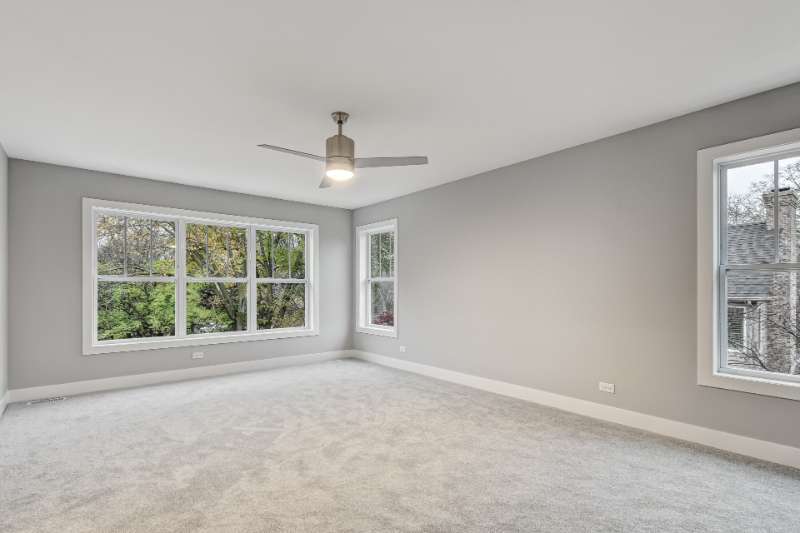
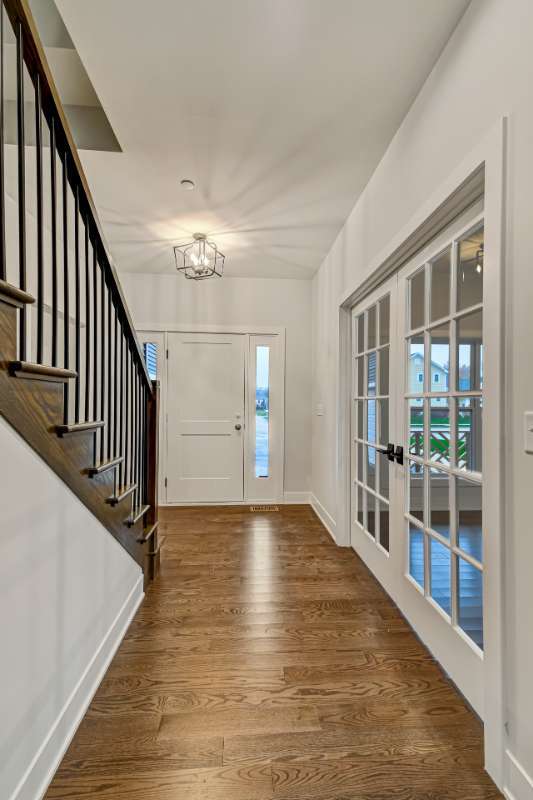
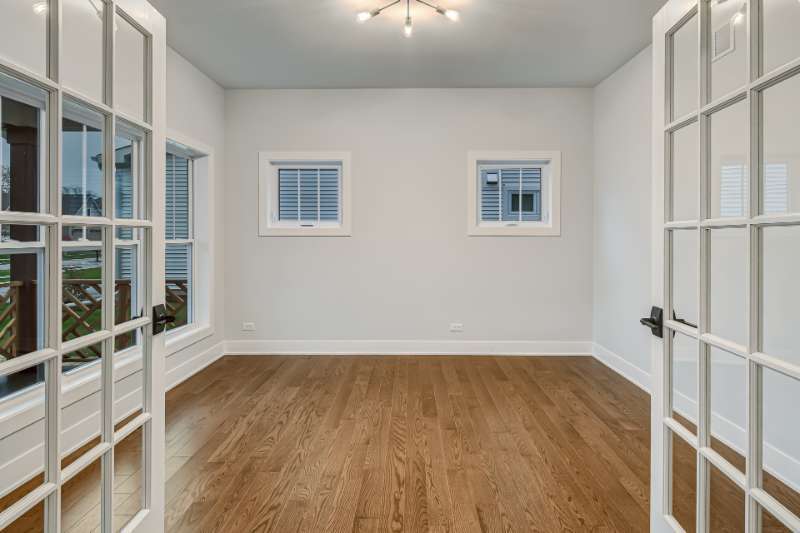
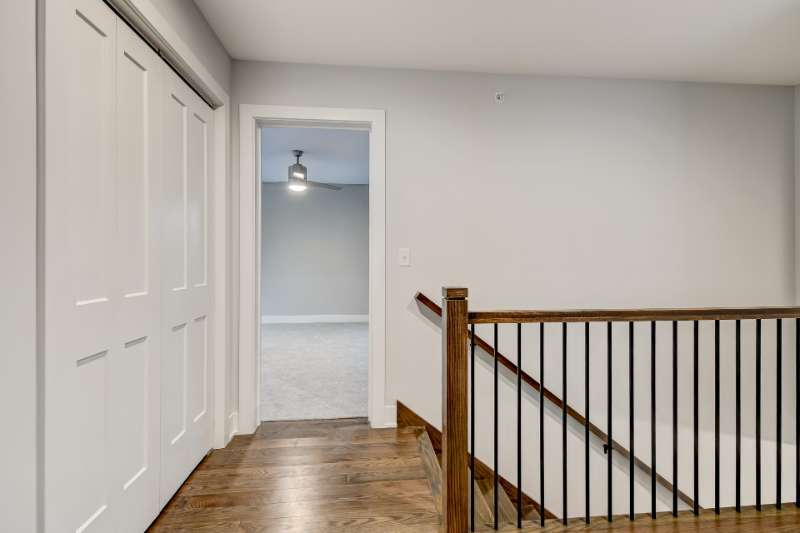
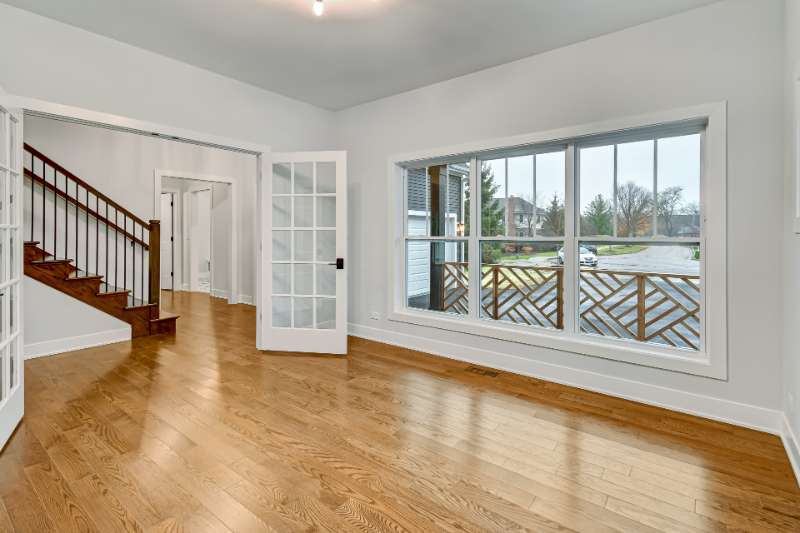
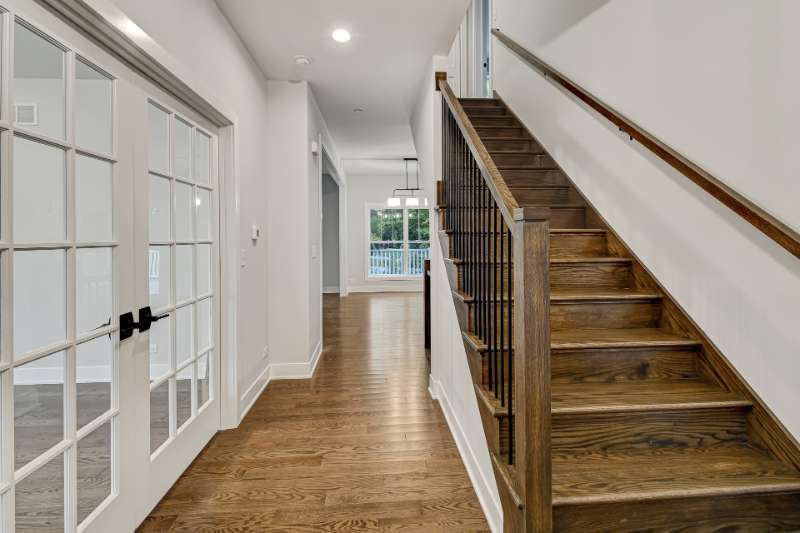
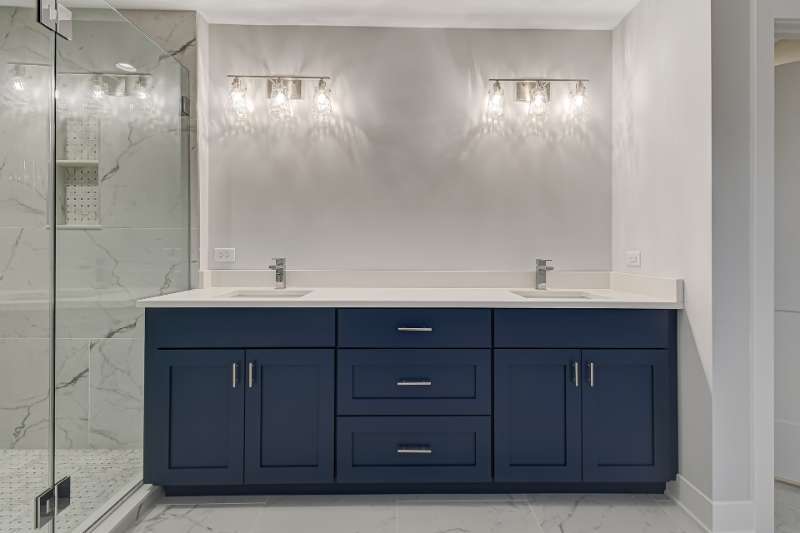
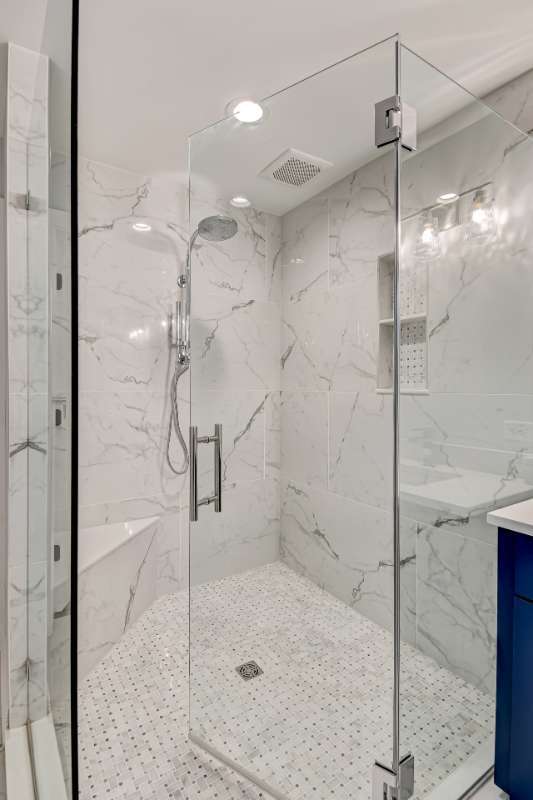
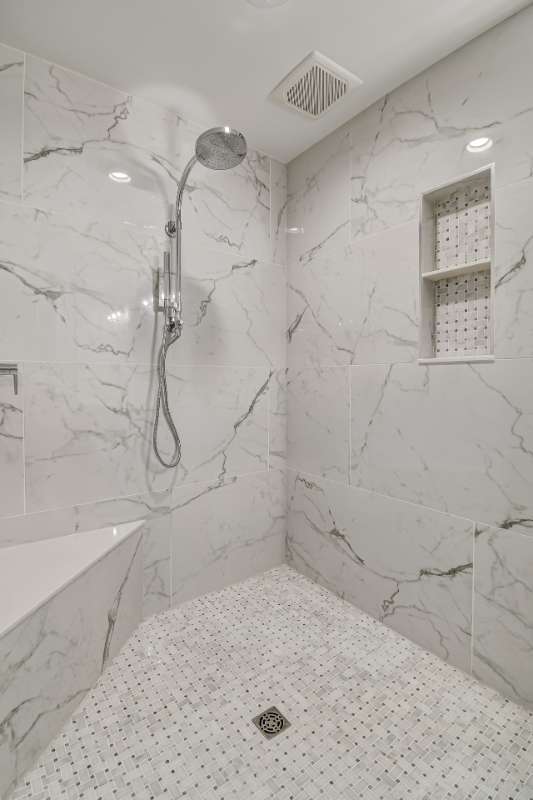
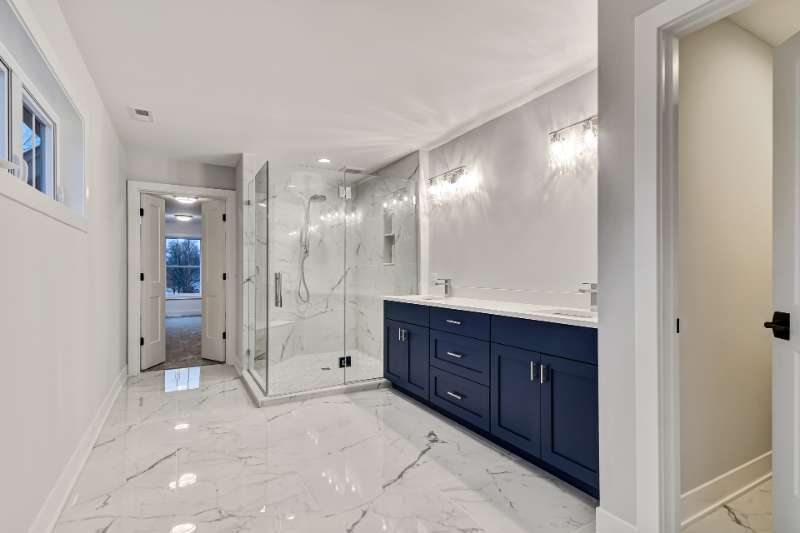
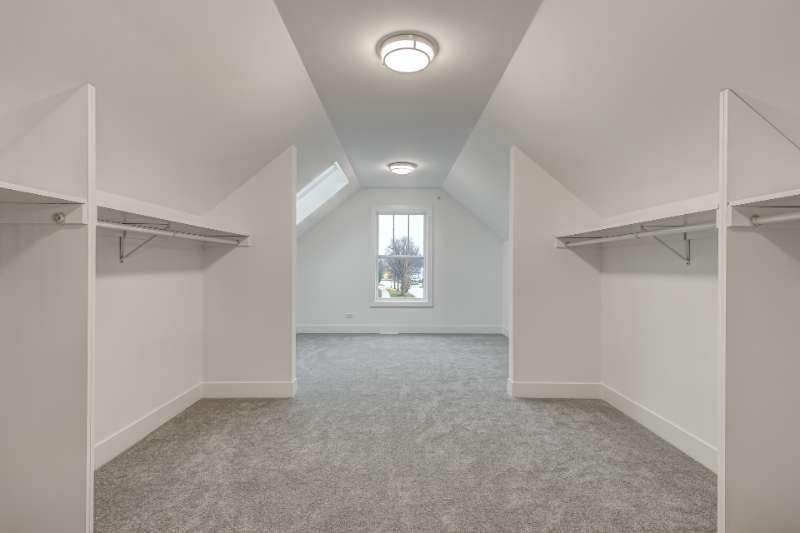
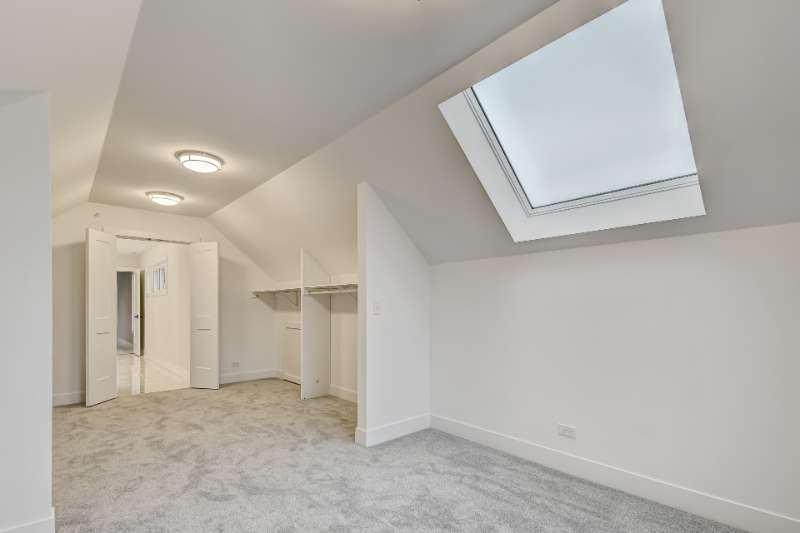
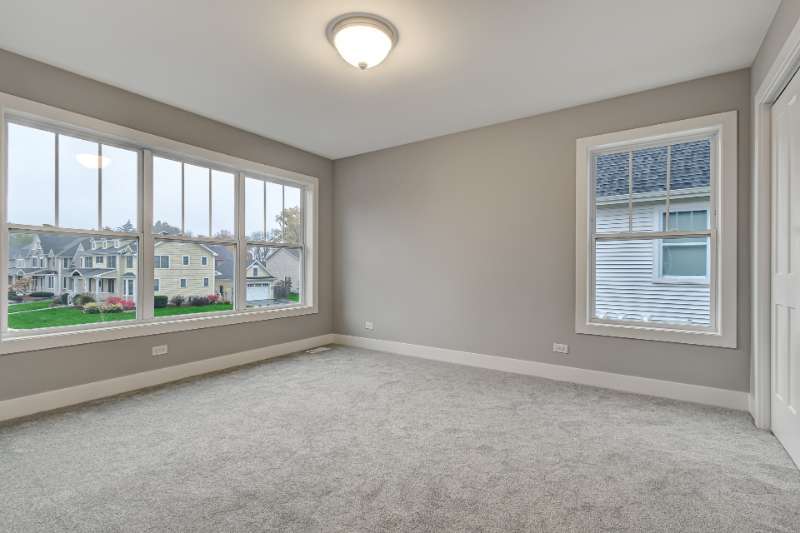
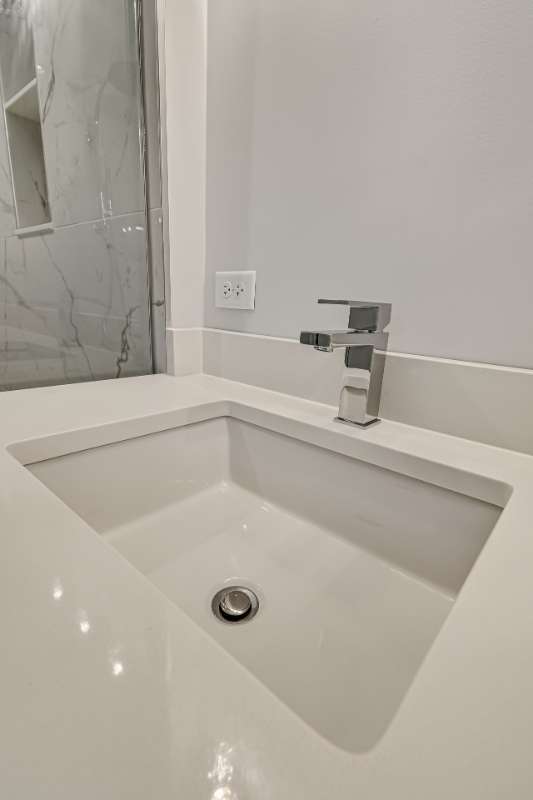
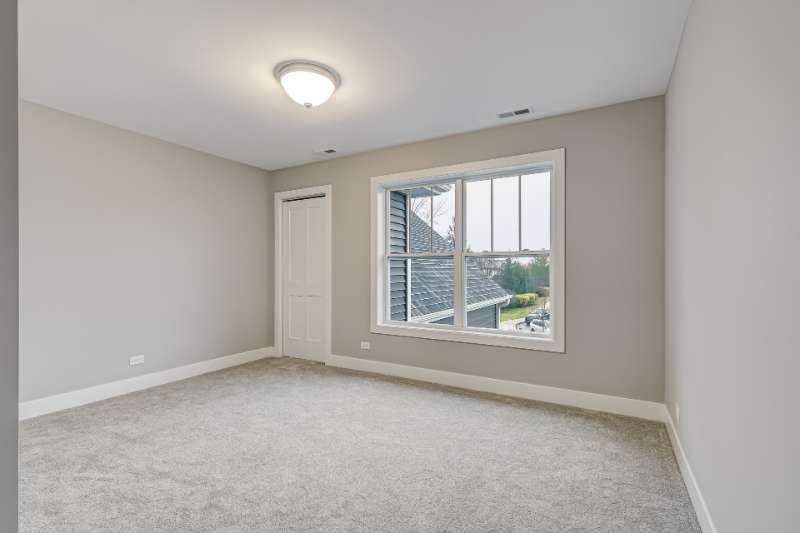
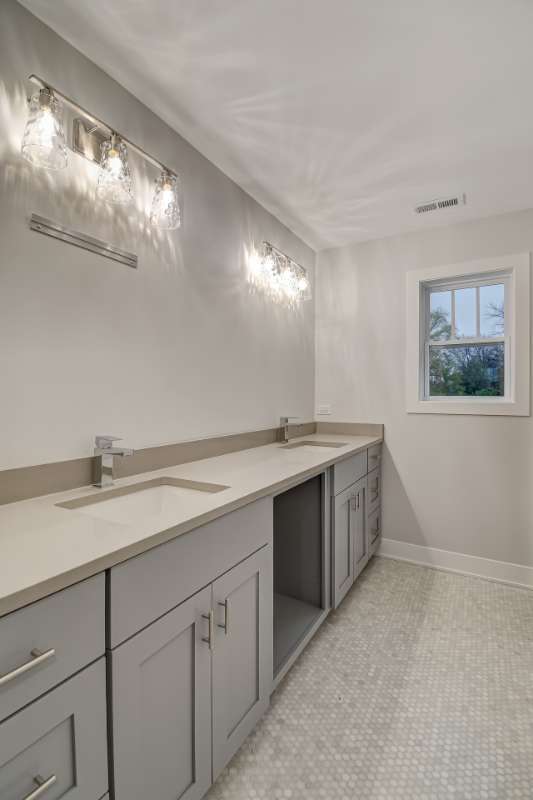
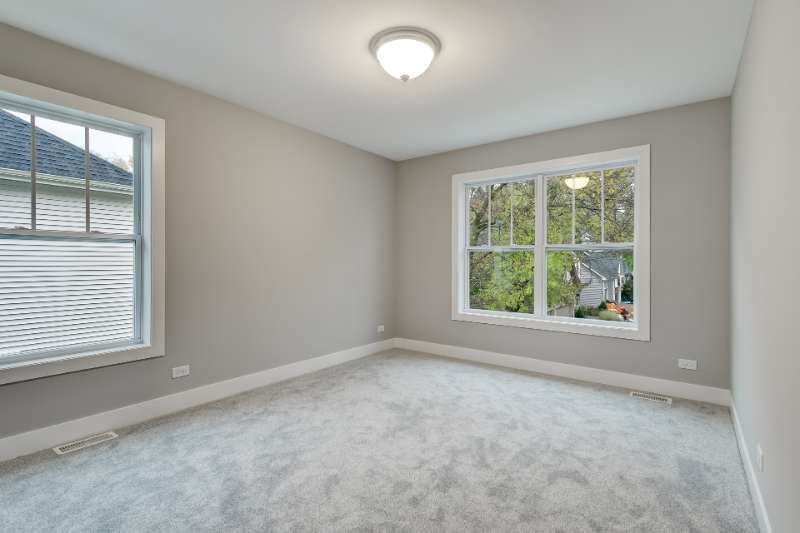
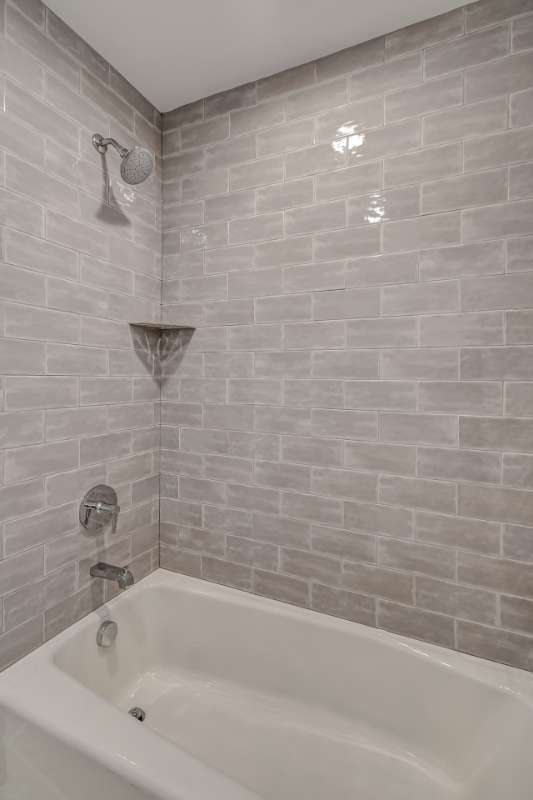
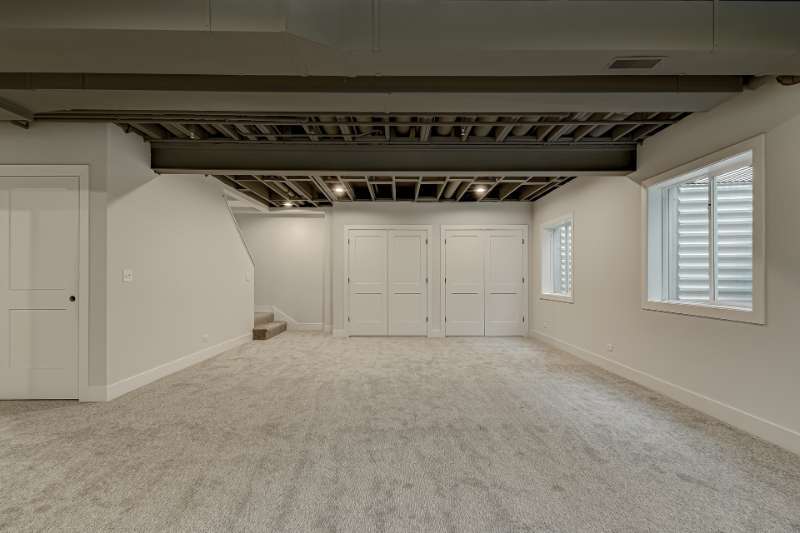
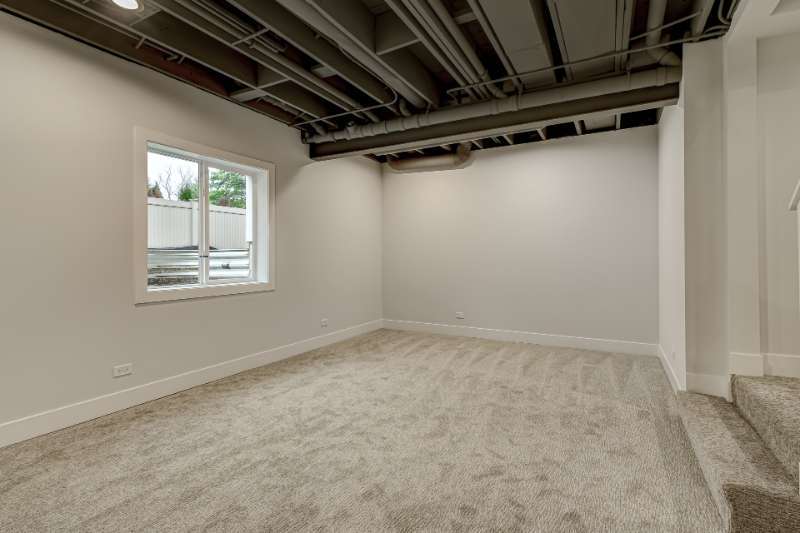
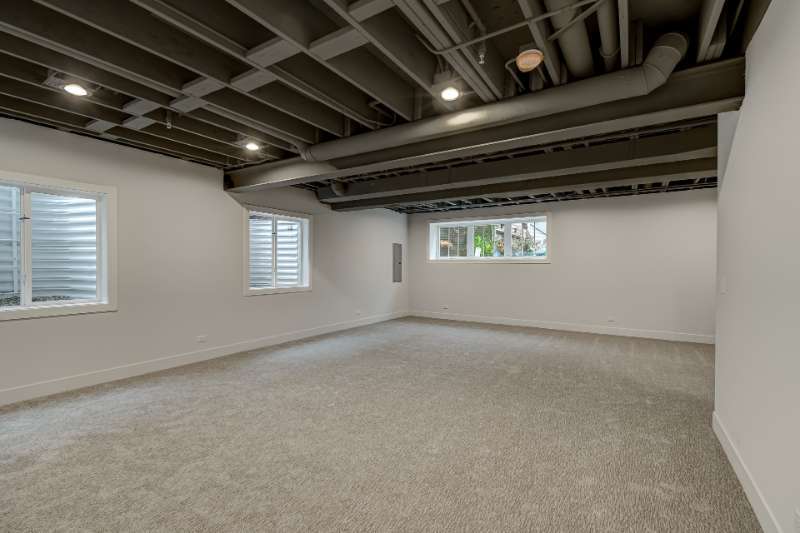
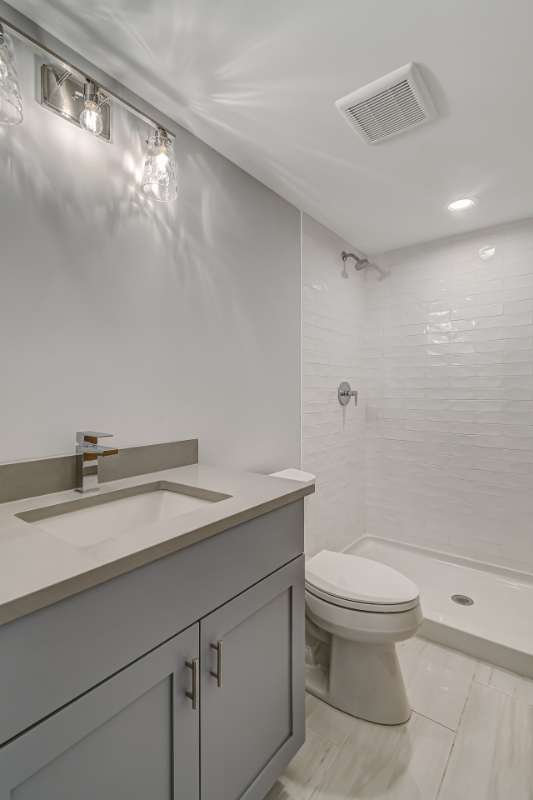
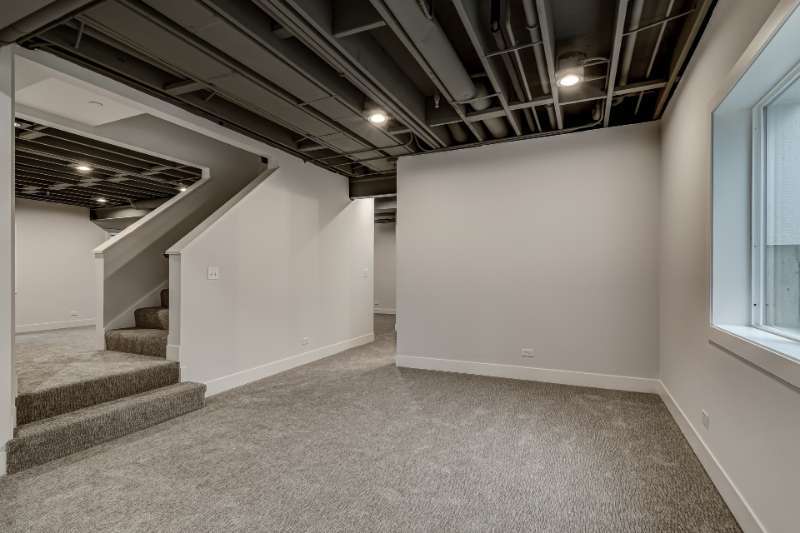
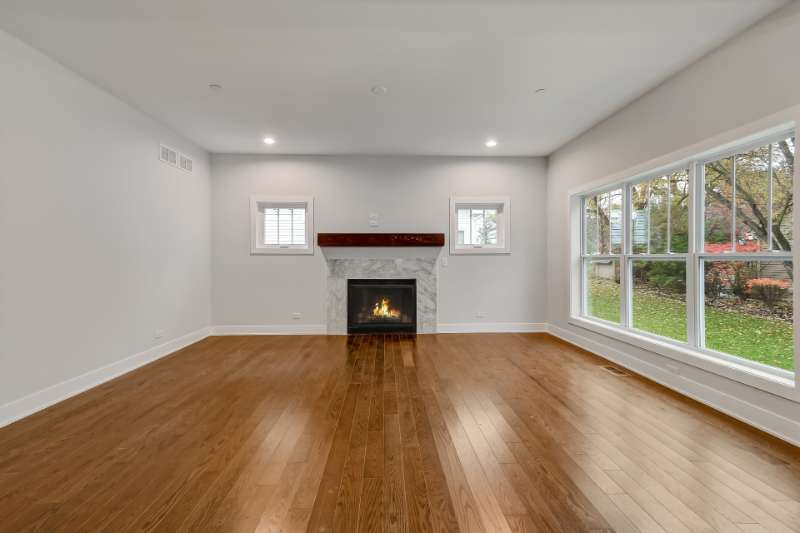
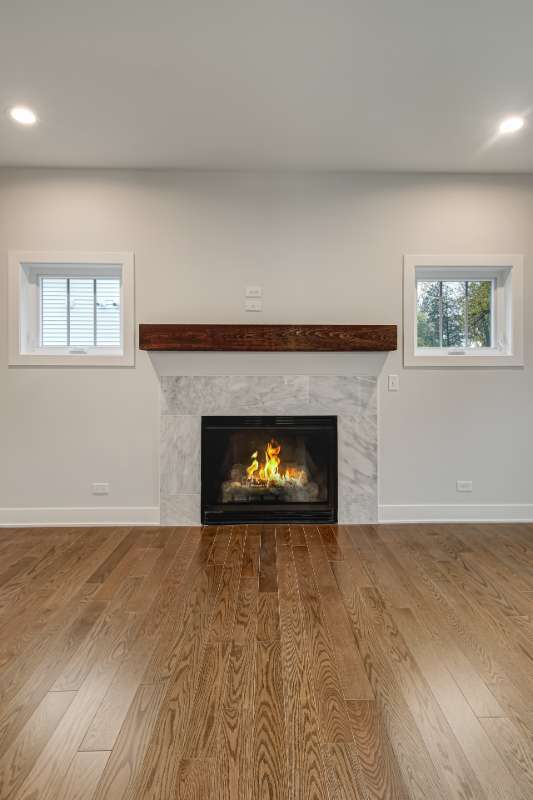
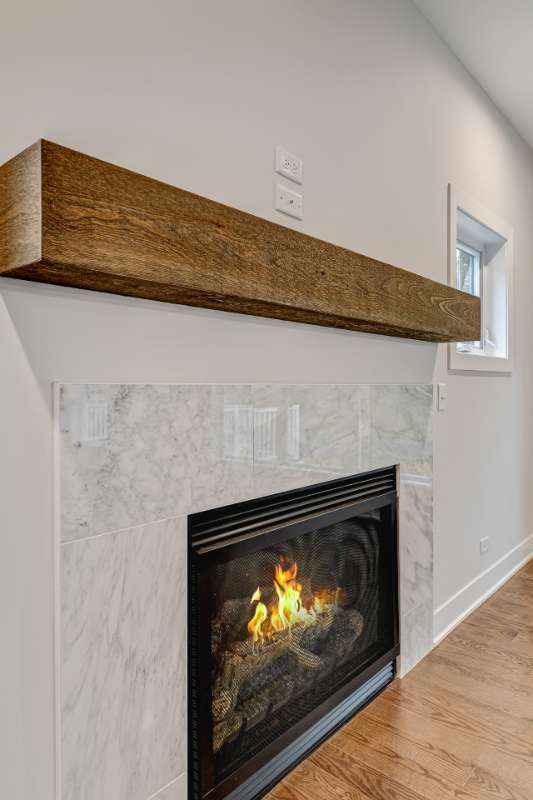
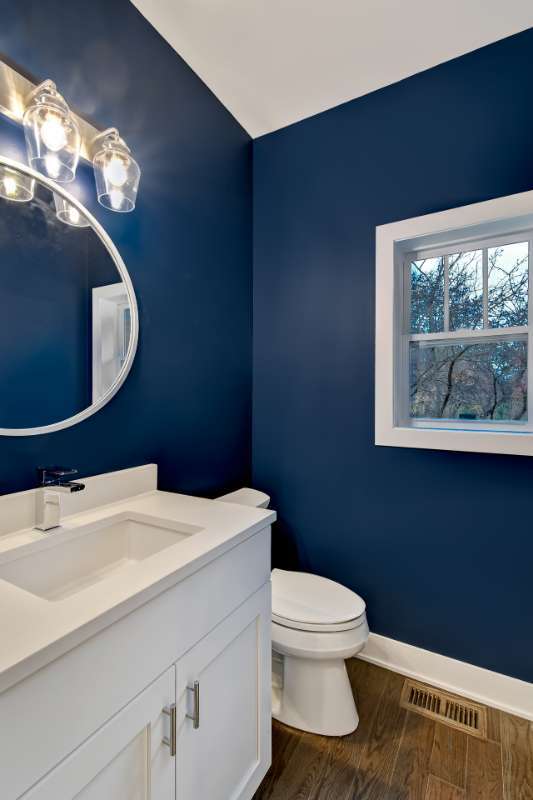
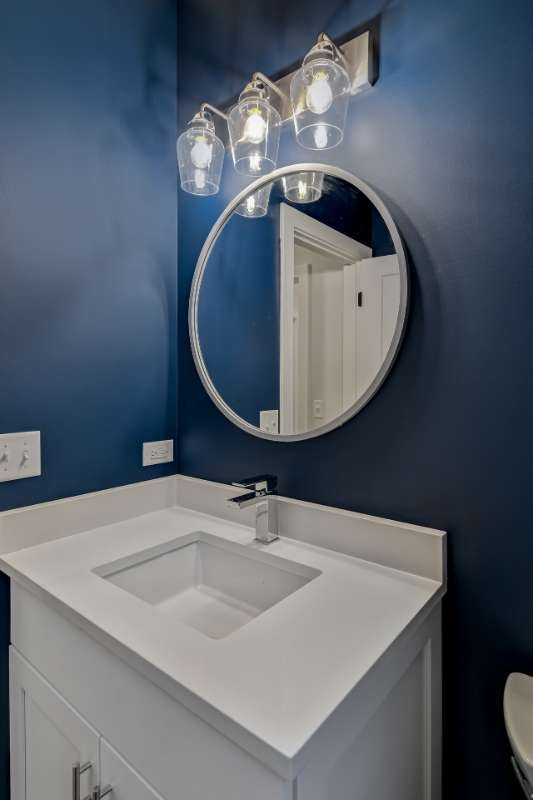
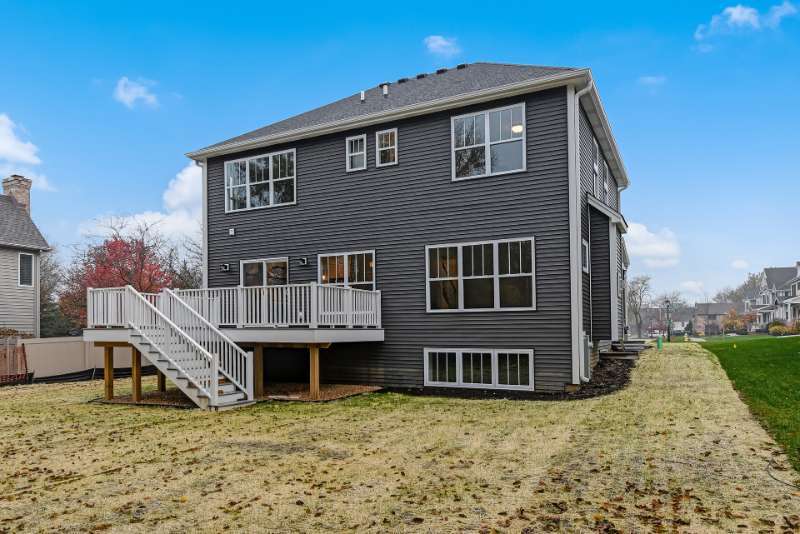
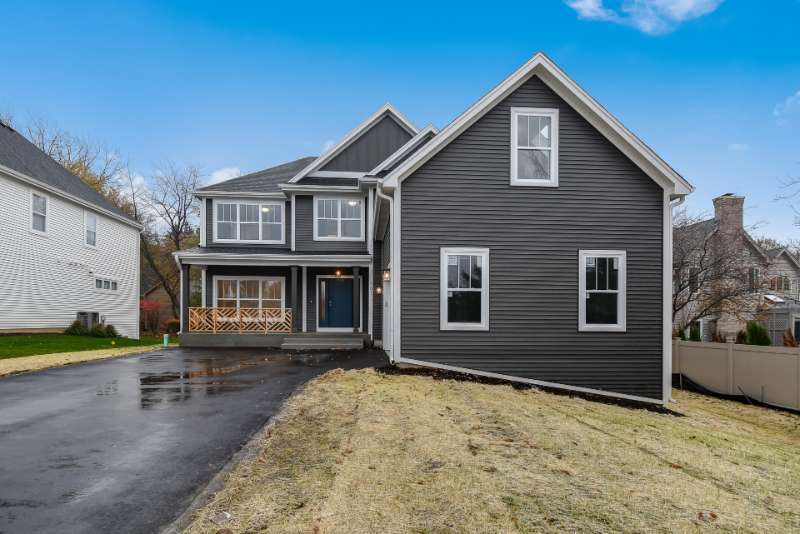
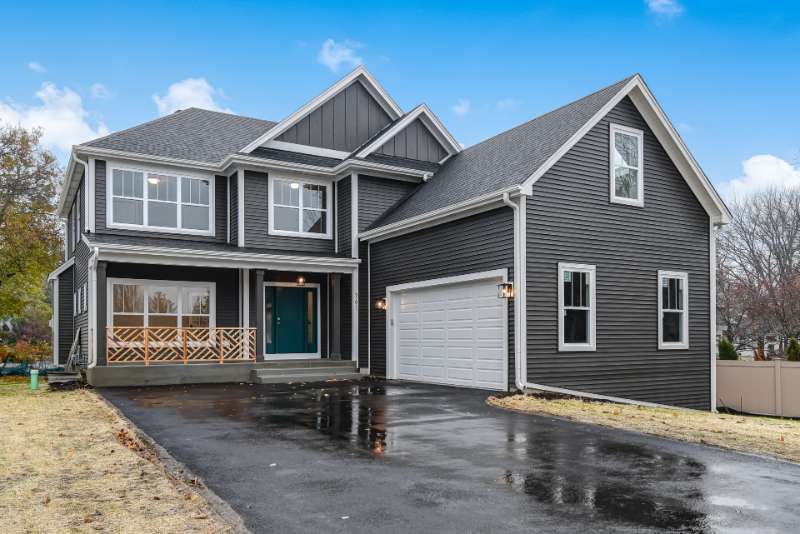
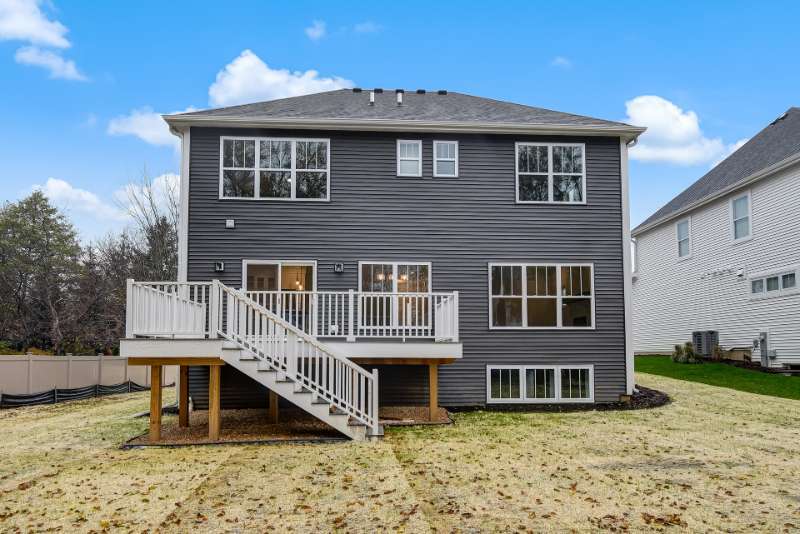
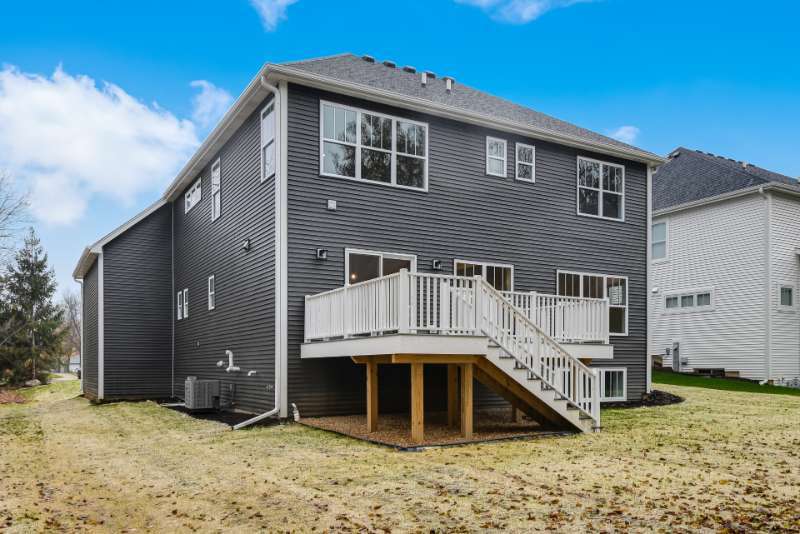
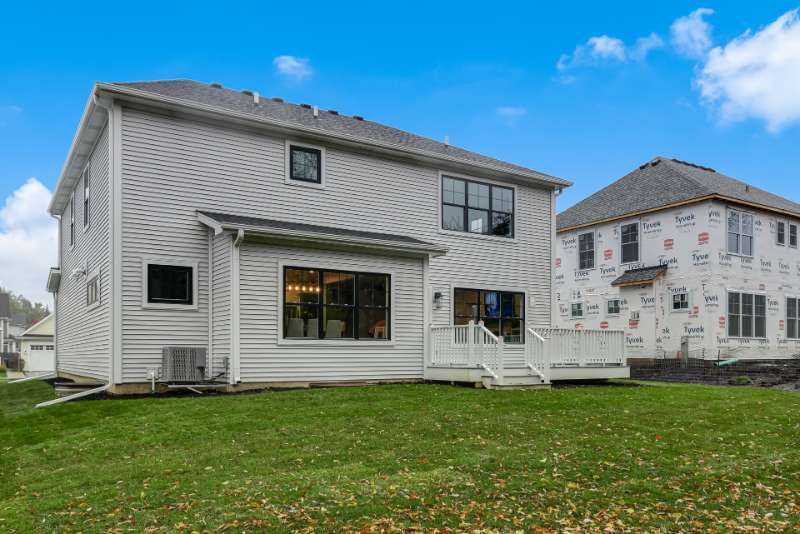
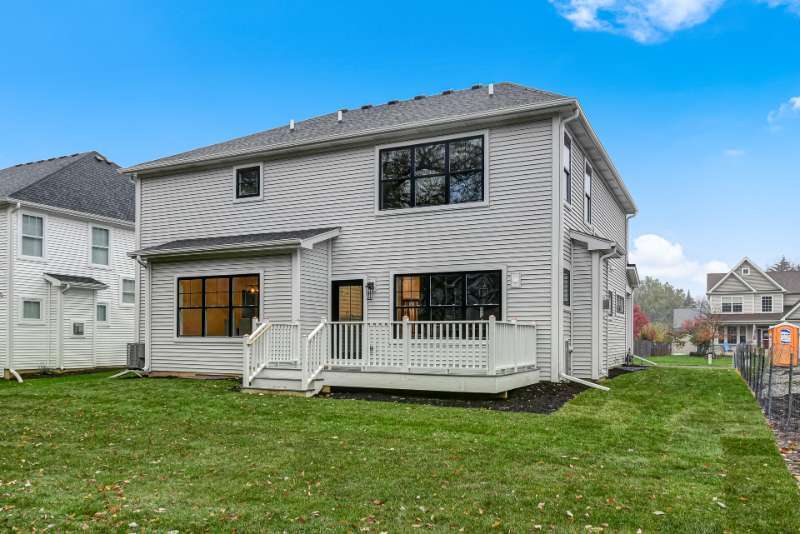
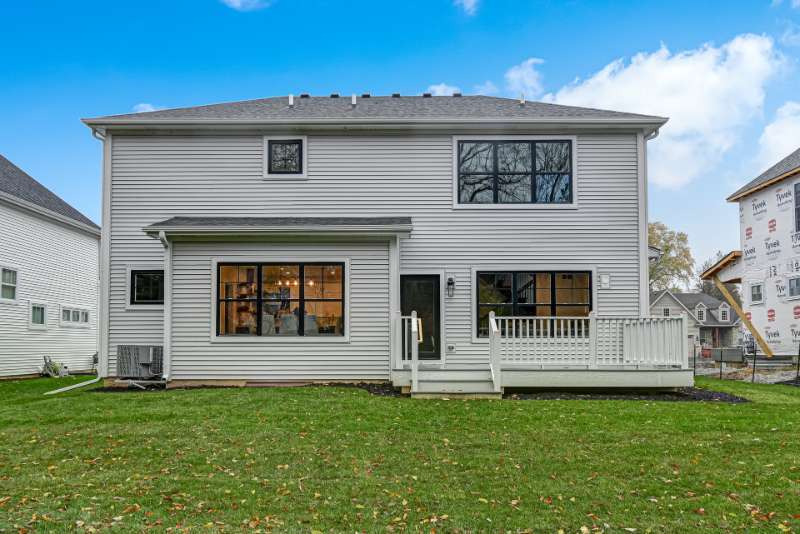
New Home Photo Gallery
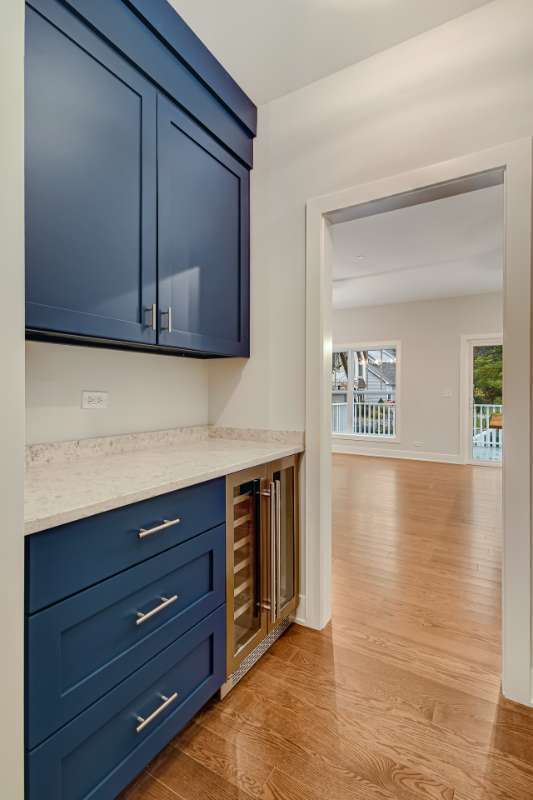
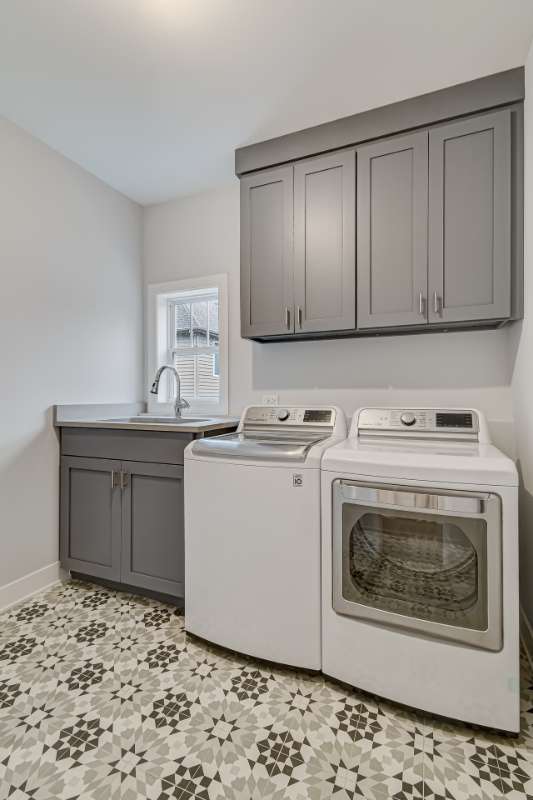
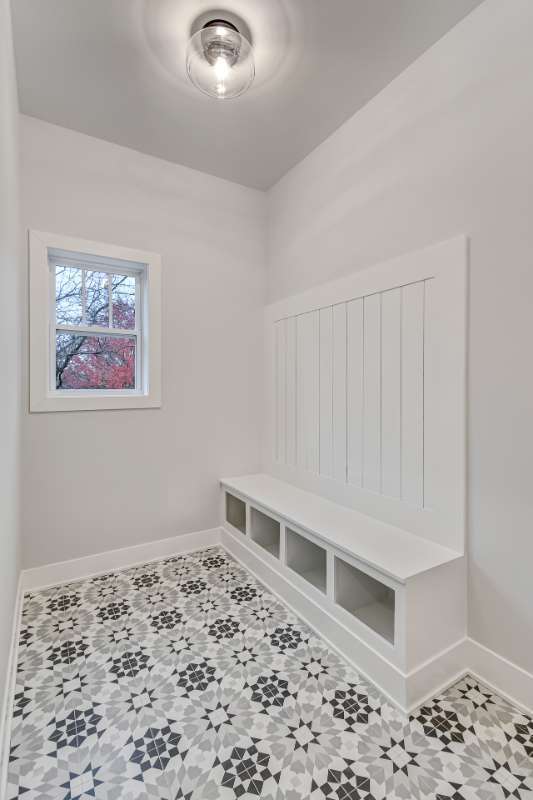
Click the picture to open the photo gallery for the featured home.
Let’s Build Your Dream Home Today!
If you’re searching for a luxury home builder in the western suburbs of Chicago, or need expert assistance with home additions, renovations, or custom designs, look no further than Rite-Way Custom Homes. Located in the western suburbs of Chicago, we proudly serve Glen Ellyn, Wheaton, Elmhurst, Downers Grove and the surrounding suburbs.” So be sure to contact us today at (630) 790-8144 to schedule your consultation, and take the first step toward building or transforming your home. We look forward to making your dream home a reality!
Providing elegant luxury custom homes in the following areas:
Glen Ellyn | Wheaton | Lombard | Villa Park | Elmhurst | Oakbrook | Hinsdale | Clariden Hills | St. Charles | Geneva