

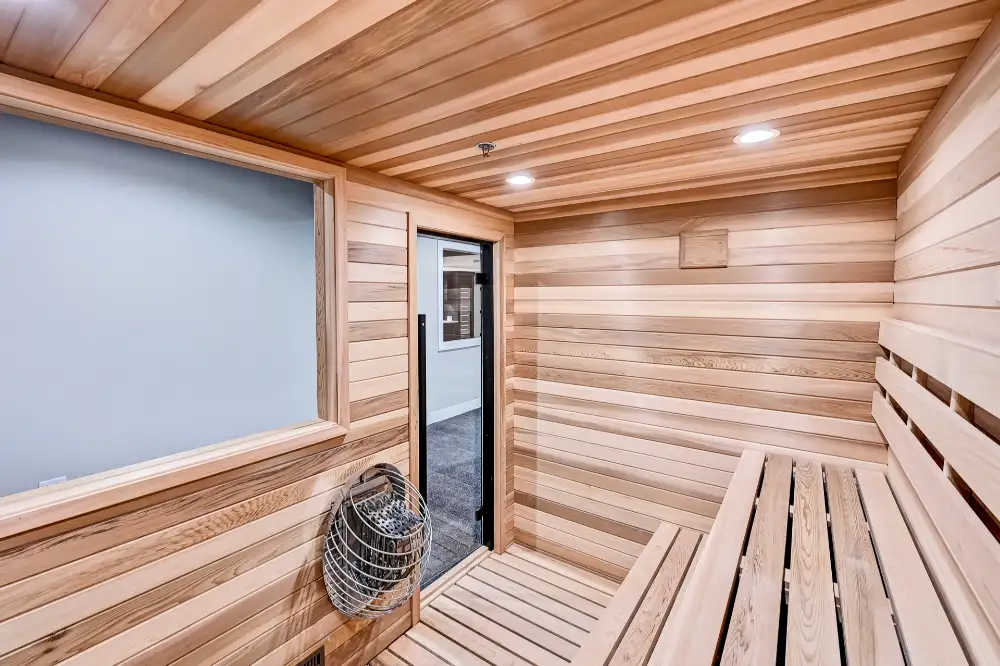
A finished basement ROI can be strong when the project is planned strategically, built professionally, and aligned with what buyers in your local market actually value. For many homeowners, finishing a basement is not just about adding another room. It is about transforming underused square footage into a functional living space that can improve day-to-day comfort, strengthen resale appeal, and make a home feel more complete. While exact returns vary by location, layout, cost, and finish quality, many industry estimates place basement finishing returns around 60% to 75% of project cost, with higher returns possible when the new space is well designed and highly usable.
Does a Finished Basement Increase Home Value?
Yes, a finished basement can increase home value, but the increase is usually based on contributory value rather than a simple dollar-for-dollar increase. In other words, spending $100,000 on a basement renovation does not automatically raise the appraised value of the home by $100,000. The value depends on how the finished space improves the property’s utility, buyer appeal, and comparison to similar homes in the area.
A finished basement can increase value by creating space for features buyers want, such as:
- A family room or media room
- A guest suite
- A home office
- A workout area
- A wine room or wet bar
- A playroom
- A full or half bathroom
- Storage with finished, organized systems
- Multi-generational living space
For homeowners in the western suburbs of Chicago, where families often prioritize flexible living areas, entertaining space, and high-quality home design, a finished basement can make a home feel significantly more functional. In communities such as Glen Ellyn, Wheaton, and surrounding suburbs, buyers may see a thoughtfully finished lower level as a meaningful advantage, especially when it complements the architecture and quality of the rest of the home. If your lower level renovation includes a bathroom, our team approaches it with the same attention to detail we bring to full bathroom remodeling projects throughout the home.
However, basement space is valued differently from the above-grade living area. Fannie Mae appraisal guidance requires below-grade areas to be reported separately, with finished rooms below grade reflected on a separate basement line in the appraisal rather than simply added to the home’s above-grade gross living area. This distinction matters because a finished basement can absolutely add value, but it may not be valued at the same price per square foot as a main-level addition or second-story expansion.
Understanding Finished Basement ROI in Today’s Market
Finished basement ROI is best understood as a combination of resale value, functional value, and marketability. From a resale perspective, homeowners commonly see a partial return on the money invested. From a lifestyle perspective, the return may be much higher because the family gets years of use from the space before selling.
In today’s market, where homeowners are often choosing to improve existing homes rather than move, basement renovations can be especially attractive. Compared with a major addition, finishing a basement can create substantial usable space without changing the home’s footprint. That can make the project more efficient, especially when the basement already has adequate ceiling height, good structural conditions, and access to plumbing or mechanical systems.
National remodeling data also shows that different renovation projects perform differently at resale. Zonda’s 2025 Cost vs. Value Report notes that exterior replacement projects continue to lead in resale ROI, while larger interior projects are often more subjective and tend to make the most sense for homeowners who plan to enjoy the home longer before selling. The same report also notes that newly added project categories, including basement remodels, show varying payoffs, with basement remodels proving comparatively consistent nationwide.
That is an important point. A basement renovation may not always top the ROI charts like a garage door replacement or manufactured stone veneer project, but it offers something those projects cannot: livable space. For the right home, a finished basement can help solve functional problems that buyers notice immediately during a showing.
For example, a luxury home with beautiful main-floor finishes but an unfinished basement may feel incomplete to a buyer expecting a turnkey property. A finished lower level with a recreation area, guest bedroom, bathroom, bar, and storage can create a more complete luxury experience.
What Impacts the Return on Investment of a Finished Basement?
The return on investment of a finished basement depends on several key variables. The most important factor is not simply whether the basement is finished, but whether it is finished well.
A basement that feels dark, chopped up, damp, or disconnected from the rest of the home may add limited value. A basement that feels intentional, comfortable, dry, bright, and consistent with the home’s overall design can become a major selling point.
Important ROI factors include:
- Local buyer expectations: If finished basements are common in comparable homes nearby, leaving yours unfinished may weaken marketability.
- Project cost: Overspending on features that buyers do not value can reduce ROI.
- Finish quality: Materials and craftsmanship should match the price point of the home.
- Layout: Open, flexible spaces often appeal to more buyers than overly specific rooms.
- Ceiling height: Low ceilings can make a basement feel less valuable, even if it is technically finished.
- Natural light: Larger windows, walkout access, and thoughtful lighting improve comfort and appeal.
- Moisture control: Waterproofing, drainage, insulation, and ventilation should be addressed before cosmetic finishes.
- Permits and code compliance: Proper permits help protect resale value and buyer confidence.
- Bathroom addition: Adding a bathroom can improve functionality, especially if the basement includes a guest suite or entertainment area.
- Design continuity: The lower level should feel like part of the home, not an afterthought.
The best basement renovations start with a strategy. Before selecting flooring, cabinetry, or lighting, homeowners should consider how the space will be used now and how it will be perceived later by buyers, appraisers, and real estate professionals.
How Finished Basement ROI Compares to Other Remodeling Projects
Finished basement ROI is often competitive with other interior remodeling projects, but it should be evaluated differently. A minor kitchen remodel, bathroom remodel, siding replacement, or deck addition can all produce measurable resale value, but they do not serve the same purpose. According to the 2024 Cost vs. Value Report, a midrange bath remodel recouped about 74% nationally, a composite deck addition recouped about 68%, and a major upscale kitchen remodel recouped about 38%. Similar dynamics apply across renovation types, where project scope and finish quality heavily influence what buyers are willing to pay at resale.
A finished basement often falls into a middle category. It may not always generate the highest percentage return, but it can dramatically change how a home lives. This is especially true for families who need more space but do not want to move or build a full addition.
A basement renovation can compare favorably when it:
- Adds a bedroom and bathroom for guests or extended family
- Creates a large entertainment space not available elsewhere in the home
- Supports work-from-home needs
- Improves storage and organization
- Makes the home feel larger and more versatile
- Brings an unfinished area up to the quality level of the rest of the property
For luxury homes, the comparison is not only about percentage ROI. It is also about buyer expectations. A high-end buyer may expect the lower level to include finished entertainment space, a fitness room, guest accommodations, or premium storage. In that context, finishing the basement may help the home compete more effectively.
Quality, Layout, and Permits: Factors That Affect Basement Appraisal
Appraisal outcomes are strongly influenced by how the basement is categorized, documented, and compared to similar homes. Because finished below-grade space is generally reported separately from above-grade living area, homeowners should not assume that every finished square foot will be valued the same way as main-level square footage. Fannie Mae guidance states that below-grade areas should be reported separately, with appropriate adjustments made for basement and finished rooms below grade in the sales comparison approach.
That does not mean basement space lacks value. It means the value must be supported by the market. If comparable homes in the area have finished basements and buyers consistently pay more for them, an appraiser can account for that contributory value. The stronger the quality, functionality, and comparability of the space, the more persuasive the value contribution may be.
Permits also matter. A permitted basement renovation gives buyers greater confidence that electrical, plumbing, structural, and life-safety work was completed properly. This is especially important if the renovation includes bedrooms, bathrooms, egress windows, wet bars, fireplaces, or major mechanical changes.
Quality and layout can affect appraisal and resale in several ways:
- A full bathroom can make the space more functional.
- A legal bedroom or guest suite may increase buyer appeal.
- Egress windows improve safety and livability.
- Consistent flooring, trim, doors, and lighting make the basement feel integrated.
- A logical layout improves flow and avoids wasted space.
- Proper HVAC design keeps the lower level comfortable.
- Moisture-resistant materials reduce long-term risk.
- Professional craftsmanship supports buyer confidence.
A finished basement should not feel like a collection of leftover spaces. It should feel planned, intentional, and appropriate for the home’s price point.
When a Finished Basement May Not Deliver Strong ROI
A basement renovation may not deliver a strong ROI when the project is poorly timed, poorly designed, or misaligned with the home’s value and market. Even a beautiful renovation can underperform financially if the cost is too high relative to the home’s resale potential.
A finished basement may produce a weaker ROI when:
- The home has unresolved foundation, drainage, or moisture issues.
- Ceiling heights are too low for comfortable use.
- The layout is awkward or overly customized.
- The finishes are far below the quality of the rest of the home.
- The finishes are so expensive that future buyers will not pay a premium for them.
- The renovation was completed without proper permits.
- The local market does not strongly reward finished below-grade space.
- The project removes too much storage or mechanical access.
- The homeowner plans to sell immediately and cannot enjoy the space.
Over-customization is one of the biggest risks. A golf simulator, theater, wine cellar, or specialized hobby room may be valuable to the current homeowner, but not every buyer will assign equal value to it. These features can still make sense in a luxury home, but they should be designed with flexibility whenever possible. For homeowners weighing a basement renovation against expanding above grade, our luxury home additions page outlines what that process involves and when it makes more sense.
For example, a home theater that can also function as a lounge or media room may appeal to more buyers than a highly specific room with fixed seating and limited alternative use. A wet bar with timeless cabinetry and quality surfaces may age better than a trend-driven design that feels dated in a few years.
FAQ
Does a finished basement count as square footage?
A finished basement adds usable living space, but below-grade space is typically reported separately from above-grade gross living area in an appraisal. It can still add value, but it may not be valued at the same rate as above-grade space.
What is the average finished basement ROI?
Many estimates place finished basement ROI around 60% to 75%, depending on market conditions, project cost, quality, and layout. Higher-end results are possible when the basement is well designed and strongly aligned with buyer demand.
Is it better to finish a basement or build an addition?
It depends on your goals. A basement renovation can be more efficient because it uses existing space, while an addition can add above-grade square footage that may appraise differently. A design-build professional can help compare cost, value, and feasibility.
Does adding a bathroom improve finished basement ROI?
Often, yes. A bathroom can make the basement more functional, especially if the space includes a guest suite, entertainment area, gym, or family room. The value depends on construction cost and buyer expectations.
Do permits matter for a finished basement?
Yes. Permits help document that the work was completed according to applicable standards. Unpermitted work can create concerns during appraisal, inspection, financing, and resale.
What basement features add the most value?
The most valuable features are typically those with broad buyer appeal, such as open recreation space, a bathroom, guest accommodations, high-quality lighting, durable flooring, storage, and a layout that feels connected to the rest of the home.
When does finishing a basement make financial sense?
It makes the most sense when the home has a dry, structurally sound basement, the renovation cost is proportionate to the home’s value, the layout solves real lifestyle needs, and similar homes in the area support the investment.
Partner with Rite-Way Custom Homes for a Basement Renovation Built Around Long-Term Value
A finished basement can increase home value, but the strongest results come from thoughtful planning, quality construction, and a clear understanding of how the space will function today and support resale tomorrow. For luxury homeowners, the goal is not simply to finish the basement. The goal is to create a lower level that feels intentional, comfortable, beautifully crafted, and fully aligned with the rest of the home.
Rite-Way Custom Homes is a luxury home builder and renovation partner serving the western suburbs of Chicago, including Glen Ellyn, Wheaton, and surrounding communities. At Rite-Way Custom Homes, we specialize in extraordinary custom homes, luxury home additions, and major renovations designed around craftsmanship, integrity, and long-term property value.
Whether you are considering a finished basement, a major home renovation, a luxury addition, or a custom home built from the ground up, our experienced team can help you make smart design and construction decisions from the start. You can also explore our concept and design process to understand how we approach every project from the first conversation through completion. For over 30 years, we have built some of the most beautiful homes in the western suburbs of Chicago, with a commitment to personalized service and exceptional attention to detail.
Contact us today to schedule a consultation and explore how a strategic basement renovation can enhance your home’s comfort, marketability, and long-term value.