

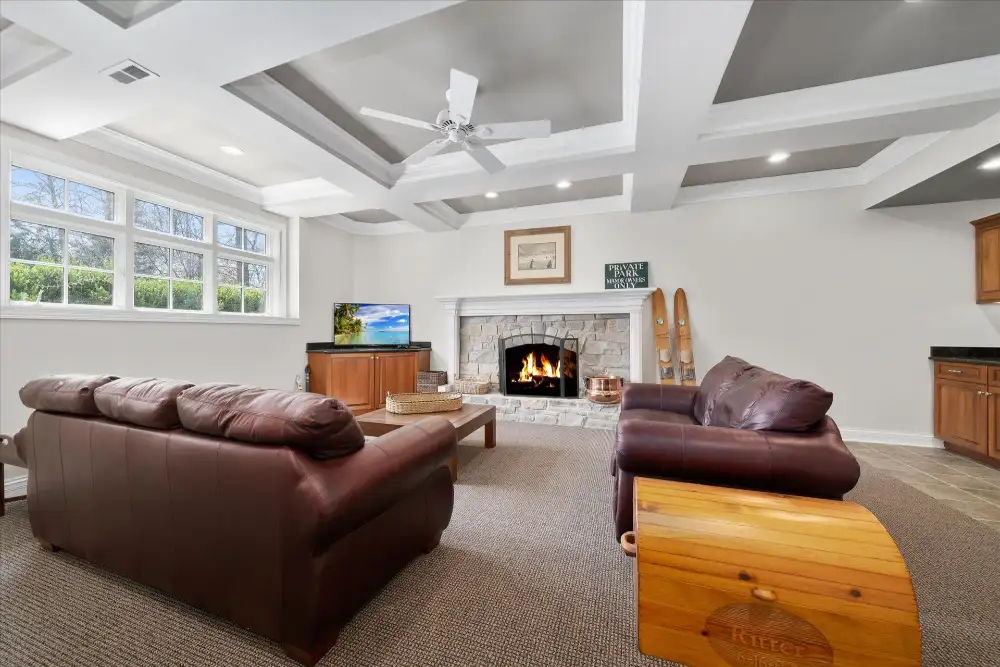
Modern homeowners are looking for more than extra square footage. They want flexible, beautiful, functional living areas that feel like a natural extension of the rest of the home. The best basement finishing ideas combine smart space planning, durable materials, comfortable lighting, and design features that support how families actually live. Whether a basement becomes a media room, guest suite, home office, fitness area, wine cellar, playroom, or full lower-level retreat, the goal is to create usable space that feels intentional, polished, and connected to the home’s overall style.
A finished basement can be one of the most valuable upgrades in a modern home because it turns underused square footage into purposeful living space. Instead of treating the basement as storage or utility space only, homeowners can design it around entertainment, relaxation, work, wellness, and hospitality. With the right planning, a basement can feel warm, open, and refined rather than dark or disconnected.
For luxury and custom homes, basement finishing is especially important because the lower level can support lifestyle-driven features that may not fit elsewhere in the home. A well-designed basement can add comfort, privacy, and convenience while increasing the home’s long-term appeal.
Basement Finishing Ideas That Add Usable Space
A finished basement should begin with a clear understanding of how the space will be used. Some homeowners want one large open area for entertaining, while others prefer defined rooms for guests, work, exercise, or recreation. The best design often blends both approaches, creating a layout that feels open but still gives each area a purpose.
Practical Basement Finishing Ideas for Any Home
Practicality is the foundation of a successful basement finish. Before selecting furniture, paint colors, or luxury details, it is important to think about traffic flow, ceiling height, storage, utilities, lighting, and moisture control. A basement may have structural posts, mechanical systems, sump pumps, or lower ceilings that need to be incorporated into the design rather than ignored.
Useful basement finishing concepts include:
- Creating built-in storage around unused wall space
- Using open-concept layouts to make the basement feel larger
- Adding a bathroom for convenience and resale value
- Designing multipurpose zones for family activities
- Including durable flooring that can handle moisture and heavy use
- Installing layered lighting to avoid a dark or flat appearance
- Choosing finishes that match the quality of the main level
- Concealing mechanical systems while maintaining service access
One of the most effective ways to maximize usable space is to create flexible areas. For example, a lower-level lounge can also function as a family movie room, game area, or casual gathering space. A guest bedroom can double as a quiet office when visitors are not staying overnight. A finished storage room can be designed with cabinetry, shelving, and attractive doors so it feels organized and integrated.
For modern homes, the basement should not feel like an afterthought. Repeating design elements from the main floor, such as trim profiles, flooring tones, cabinet styles, hardware finishes, and color palettes, helps the basement feel cohesive. This is especially important in custom homes and high-end renovations where consistency and craftsmanship matter.
Design Options for Modern Basement Layouts
Modern basement layouts prioritize comfort, openness, and functionality. Rather than dividing the entire lower level into small rooms, many homeowners prefer a spacious central living area with dedicated zones branching off from it. This creates a comfortable flow and allows the basement to support several activities at once.
A popular layout might include a large entertainment area, a wet bar, a guest suite, a bathroom, and a storage room. Another layout might include a home gym, office, media room, and children’s play area. The best design depends on the household’s lifestyle, but the most successful basements usually share a few qualities: they are easy to navigate, well-lit, comfortable, and thoughtfully organized.
Entertainment, Guest, and Office Spaces
Entertainment spaces are among the most popular basement finishing ideas because basements naturally lend themselves to movie nights, game days, and relaxed gatherings. Since the lower level is often more private and separated from formal living areas, it can become a casual destination for family and guests.
A modern basement entertainment area may include:
- A media wall with built-in cabinetry
- A large sectional sofa
- A projector or oversized television
- Surround sound or concealed speakers
- A wet bar or beverage center
- A game table or billiards area
- Custom shelving for decor, books, or collectibles
- Sound-dampening materials for added comfort
For homeowners who enjoy hosting, a basement bar or kitchenette can make the space more convenient. Features such as an undercounter refrigerator, ice maker, sink, wine storage, dishwasher drawer, and custom cabinetry can elevate the lower level while reducing trips upstairs.
Guest spaces are another smart use for a finished basement. A private bedroom and bathroom can create a comfortable suite for visiting family or friends. When designed well, a basement guest suite can feel just as refined as an upstairs bedroom. Large windows where available, soft lighting, high-quality flooring, and warm finishes can make the space inviting. The same attention to detail we apply to bathroom remodeling throughout the home carries into every lower-level bath we design.
Home offices are also increasingly common in finished basements. A lower-level office can provide quiet separation from household activity, especially when designed with proper lighting and sound control. Built-in desks, storage cabinets, glass doors, and comfortable seating can make the office feel professional without feeling isolated.
A finished basement can also support specialty rooms, such as:
- A home gym or yoga studio
- A wine cellar or tasting room
- A golf simulator room
- A children’s playroom
- A music room
- A craft or hobby room
- A private library
- A wellness room or sauna area
For modern luxury homes, these personalized features can make the basement one of the most distinctive parts of the property. The key is to choose features that match both current needs and future lifestyle changes.
Planning a Basement Finish for Long-Term Use
A basement finish should not only look good today. It should also function well for years to come. Long-term planning means thinking about durability, comfort, adaptability, and maintenance. Since basements have unique conditions compared to above-grade rooms, proper planning is essential.
Before construction begins, homeowners should evaluate ceiling heights, existing plumbing, electrical capacity, HVAC needs, insulation, egress requirements, moisture history, and structural limitations. These details influence what can be built and how the final space will perform.
A well-planned basement finish should account for:
- Future family needs
- Aging-in-place considerations
- Storage requirements
- Guest accommodations
- Technology and wiring
- Heating and cooling comfort
- Sound control
- Access to utilities
- Long-term material performance
For example, adding rough plumbing for a future bathroom or wet bar can be a wise decision even if the homeowner does not plan to install those features immediately. Similarly, wiring for speakers, smart home controls, additional outlets, or upgraded internet can prevent expensive changes later.
Another important factor is resale appeal. While highly personalized features can be enjoyable, the most valuable basement designs usually balance customization with broad functionality. A media room, bathroom, guest suite, office, or open recreation space can appeal to many future buyers because these rooms serve practical needs. If you are also weighing whether a basement finish or a luxury home addition makes more sense for your goals, our team can help you compare both options.
Lighting, Flooring, and Moisture Control
Lighting is one of the most important design elements in a finished basement. Since many basements have limited natural light, artificial lighting must be carefully planned. A single overhead fixture is rarely enough. Instead, modern basements benefit from layered lighting that includes recessed ceiling lights, sconces, task lighting, accent lighting, and decorative fixtures.
Effective basement lighting may include:
- Recessed lights for general illumination
- Wall sconces to add warmth and depth
- LED strips under shelves or bar cabinets
- Pendant lights over a bar or game table
- Floor lamps for lounge areas
- Dimmable controls for media rooms
- Accent lighting for artwork or architectural details
The goal is to create a space that feels bright when needed and cozy when desired. Dimmers are especially useful because a basement may serve different purposes throughout the day, from work and exercise to entertaining and movie nights.
Flooring is another major consideration. Basement flooring should be durable, attractive, and suitable for below-grade conditions. Luxury vinyl plank is a popular choice because it can mimic the appearance of wood while offering strong moisture resistance. Engineered wood may also be appropriate in certain conditions, depending on the basement environment and installation method. Tile is another durable option, especially for bathrooms, bars, laundry areas, and walkout basements.
Common basement flooring options include:
- Luxury vinyl plank for durability and moisture resistance
- Engineered hardwood for a warm, upscale appearance
- Porcelain tile for bathrooms and wet areas
- Carpet tiles for playrooms or media rooms
- Finished concrete for a sleek, modern look
- Area rugs to add softness and define zones
Moisture control should always come before finishes. Even the most beautiful basement design can be compromised if water issues are not addressed. Proper drainage, waterproofing, insulation, vapor management, and ventilation help protect the investment. Homeowners should also choose materials that perform well in lower-level environments.
Important moisture-control steps may include:
- Inspecting for past water intrusion
- Addressing foundation cracks
- Improving exterior drainage where needed
- Using appropriate insulation
- Installing moisture-resistant drywall in select areas
- Choosing basement-friendly flooring
- Maintaining sump pump systems
- Ensuring adequate ventilation and humidity control
Comfort is also tied to temperature control. Basements can feel cooler than upper levels, so HVAC planning matters. Supplemental heating, properly placed vents, insulated walls, and good air circulation can make the finished space feel comfortable year-round.
More Basement Finishing Ideas for Modern Homes
Beyond the major layout and material decisions, small design choices can dramatically improve the finished result. A modern basement should feel intentional, not simply completed. Details such as built-ins, ceiling treatments, millwork, hardware, and furniture placement can make the difference between a basic finished basement and a refined lower-level living space.
Consider adding architectural features such as:
- Coffered or tray ceiling details where height allows
- Custom built-in cabinetry
- Decorative wall paneling
- Glass doors for offices or wine rooms
- Stone or tile fireplace surrounds
- Floating shelves
- Hidden storage doors
- Custom bar backsplashes
- Statement lighting fixtures
Color selection also plays an important role. Light neutrals can make a basement feel larger and brighter, while deeper tones can create a cozy, dramatic atmosphere in media rooms, wine rooms, or lounges. A balanced palette often works best. For example, warm white walls, natural wood cabinetry, dark hardware, textured rugs, and soft accent lighting can create a sophisticated modern look.
Furniture should be scaled to the space. Oversized furniture can make a basement feel cramped, while pieces that are too small can make the room feel unfinished. Sectionals, modular seating, built-in benches, and flexible tables work well because they support different uses.
Storage should not be overlooked. Finished basements often become home to seasonal decor, sports equipment, games, tools, and extra household items. Instead of leaving storage as an unfinished leftover area, homeowners can incorporate custom closets, cabinetry, shelving, and hidden compartments. This keeps the basement clean and functional. To see how our team approaches the full scope of a project from the first conversation through construction, visit our concept and design process page.
FAQ
What is the best use for a finished basement?
The best use depends on your household’s lifestyle. Popular options include a family room, media room, guest suite, home office, gym, playroom, bar, or multipurpose recreation area. The most effective basement designs combine daily usefulness with long-term flexibility.
How do I make a basement feel more modern?
Use an open layout, layered lighting, clean-lined cabinetry, durable flooring, neutral colors, and finishes that coordinate with the rest of the home. Modern basement design should feel bright, comfortable, and connected to the home’s overall style.
What flooring works best in a finished basement?
Luxury vinyl plank, porcelain tile, engineered hardwood, carpet tiles, and finished concrete can all work well depending on the basement’s moisture conditions and intended use. Moisture resistance and durability should be top priorities.
Should I add a bathroom to my finished basement?
Yes, if space and plumbing allow. A basement bathroom adds convenience, supports guest accommodations, and can increase the functionality of the lower level. It is especially valuable when the basement includes a bedroom, entertainment area, gym, or office.
How can I make a basement brighter?
Use recessed lighting, sconces, accent lighting, light wall colors, mirrors, glass doors, and open sightlines. Dimmable fixtures and layered lighting help the basement feel bright during the day and comfortable in the evening.
Is moisture control necessary before finishing a basement?
Yes. Moisture control is essential before installing walls, flooring, cabinetry, or other finishes. Addressing drainage, foundation issues, humidity, and material selection helps protect the finished space and improve long-term performance.
Can a finished basement add value to a home?
A well-designed finished basement can add value by increasing usable living space and improving functionality. Spaces such as guest suites, bathrooms, entertainment rooms, and home offices are especially appealing when they are professionally designed and built.
Create a Luxury Finished Basement with Rite-Way Custom Homes
A finished basement can transform the way your home lives, adding comfort, beauty, and practical space for entertaining, working, relaxing, and hosting. The best basement finishing ideas are not one-size-fits-all. They are designed around your home, your lifestyle, and your long-term vision.
Rite-Way Custom Homes is a luxury home builder serving the western suburbs of Chicago, including Glen Ellyn, Wheaton, and the surrounding suburbs. For over 30 years, we have built some of the most beautiful homes in the area with a commitment to quality, integrity, personalized service, expert craftsmanship, and attention to detail.
Whether you are planning a custom home, expanding your living space with a luxury addition, or transforming your existing home with a major renovation, we can help bring your vision to life. From refined lower-level entertainment spaces to full-scale luxury basement renovations, our experienced team creates homes that reflect your style, meet your needs, and exceed your expectations.
Contact us today to start planning a finished basement or luxury renovation that adds lasting beauty, function, and value to your home.