

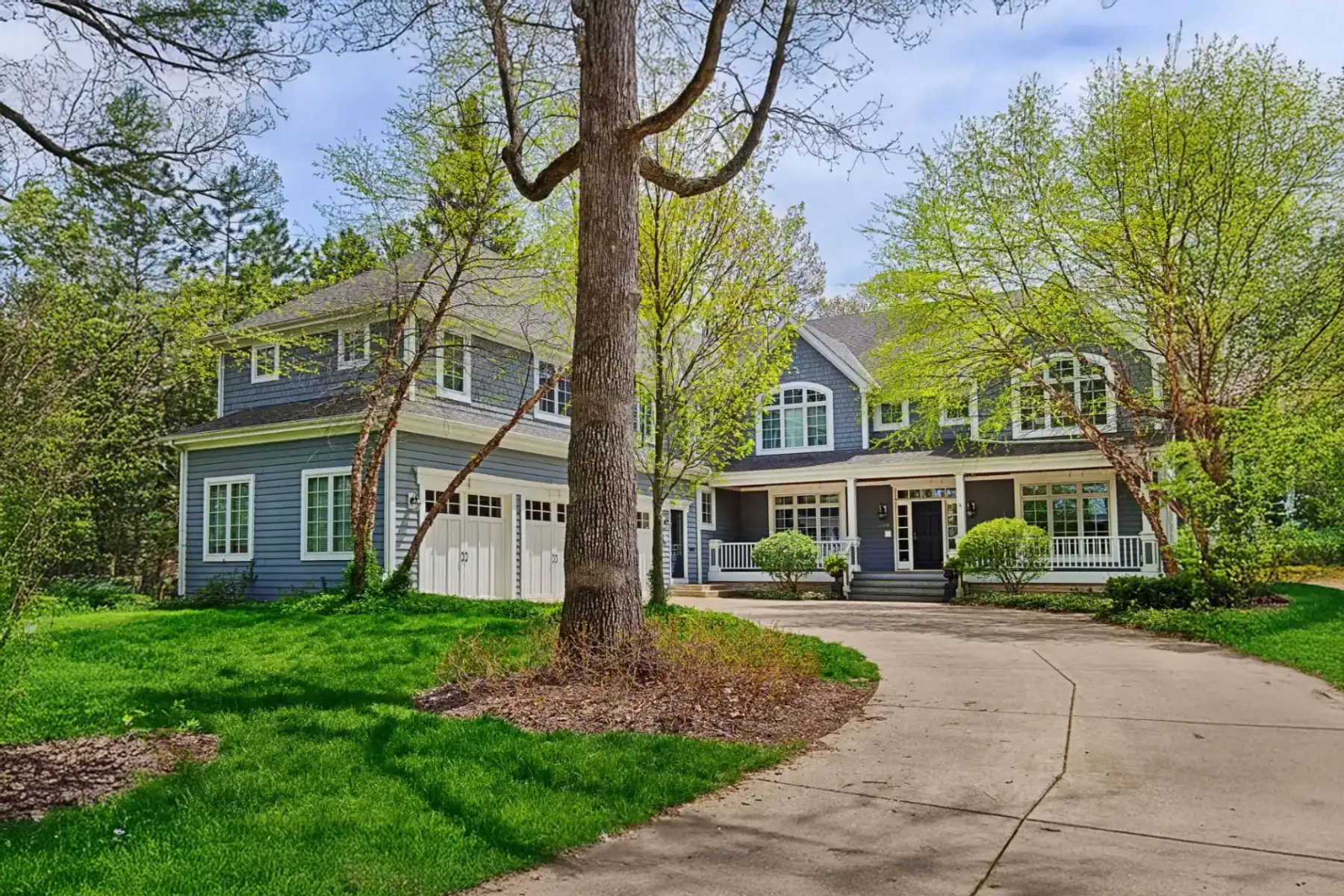
Buying land is one of the most exciting first steps in creating a one-of-a-kind residence, but it can also be one of the most complex. If you are wondering how to buy land to build a house, the process involves much more than simply finding a beautiful lot and making an offer. You need to evaluate location, zoning, utilities, soil conditions, permitting requirements, neighborhood restrictions, budget, and whether the property can truly support the custom home you envision.
For homeowners in the western suburbs of Chicago, where established communities like Glen Ellyn, Wheaton, and surrounding areas offer a mix of mature neighborhoods, teardown opportunities, and select vacant lots, buying land requires careful planning. The right property can give you the freedom to design a luxury custom home from the ground up. The wrong property can lead to unexpected costs, design limitations, permitting delays, or construction challenges.
This guide explains what to consider before buying land for a custom home, how to evaluate a property, and why working with experienced professionals early in the process can help you make a confident decision.
Start With a Clear Vision for Your Custom Home
Before you begin looking at land, take time to define what you want your future home to be. The lot you purchase should support your lifestyle, architectural preferences, budget, and long-term goals. A property that looks appealing at first glance may not be the right fit if it cannot accommodate the home size, layout, outdoor living areas, driveway placement, garage orientation, or privacy you want.
Start by thinking through the essentials:
- Desired home size and number of stories
- Preferred architectural style
- Number of bedrooms and bathrooms
- Garage size and placement
- Outdoor living features, such as patios, pools, gardens, or covered porches
- Need for a home office, guest suite, gym, wine cellar, or entertainment space
- Privacy expectations
- Proximity to schools, parks, shopping, restaurants, and commuter routes
- Whether you prefer a walkable neighborhood or a larger, more secluded property
Your vision will help determine the type of lot you need. For example, a narrow infill lot in an established neighborhood may work beautifully for a thoughtfully designed luxury home, but it may not accommodate every outdoor feature or footprint. A larger parcel may offer more flexibility, but it could also involve more site preparation, longer utility runs, or additional landscaping costs.
Choose the Right Location
Location is one of the most important factors when buying land for a custom home. Unlike finishes, fixtures, or floor plans, location cannot be changed later. In desirable western suburbs of Chicago, the right location may offer excellent schools, charming downtown areas, mature trees, convenient transportation, and a strong sense of community.
When evaluating location, consider both practical and lifestyle factors. A property may be close to everything you need, but it may also be near a busy road, train line, drainage area, or commercial property. Visit the lot at different times of day to understand traffic patterns, noise levels, sunlight, and neighborhood activity.
Important location considerations include:
- School district boundaries
- Commute times and access to major roads
- Proximity to Metra stations
- Neighborhood character and surrounding home values
- Lot orientation and natural light
- Future development nearby
- Walkability to downtown areas, parks, and community amenities
- Resale value and long-term neighborhood demand
In communities such as Glen Ellyn and Wheaton, buyers often need to decide whether they want a vacant lot, an older home to tear down, or a property suitable for major renovation or expansion. In many established neighborhoods, a teardown may be the best path to building a custom home in a prime location.
Understand Zoning and Building Restrictions
Zoning regulations determine what can be built on a property. Before buying land, it is essential to understand how the lot is zoned and what rules apply. These regulations can affect the size, height, placement, and overall design of your future home.
Common zoning and building restrictions include:
- Minimum front, side, and rear setbacks
- Maximum building height
- Lot coverage limits
- Floor area ratio requirements
- Driveway placement rules
- Garage location restrictions
- Stormwater management requirements
- Tree preservation ordinances
- Historic district guidelines
- Accessory structure regulations
Setbacks are especially important because they determine how close your home can be to property lines. A lot may appear spacious, but after setback requirements are applied, the buildable area may be much smaller than expected.
In some neighborhoods, there may also be private restrictions, homeowners’ association rules, architectural review boards, or subdivision covenants. These may regulate exterior materials, rooflines, fencing, landscaping, or even the general style of the home.
Before making an offer, ask your builder, architect, real estate attorney, or local municipality to help review applicable regulations. This step can prevent costly surprises after closing.
Confirm Utility Access
A beautiful lot is not always ready to build. One of the most important due diligence steps is confirming access to utilities. In established suburban areas, utilities may already be nearby, but that does not always mean connecting to them will be simple or inexpensive.
Key utilities to investigate include:
- Water service
- Sanitary sewer or septic requirements
- Storm sewer connections
- Natural gas
- Electric service
- Internet and cable access
If the property does not already have utility connections, you need to understand where the nearest lines are located and what it will cost to bring service to the home. In some cases, utility upgrades may be required to support a larger luxury residence.
For teardown properties, existing utilities may be present, but they may need to be disconnected, relocated, replaced, or upgraded. Older homes may have outdated water service, sewer lines, or electrical connections that are not suitable for a new custom home.
Evaluate the Land Itself
The physical characteristics of the lot can significantly affect design, construction, and cost. A level, clear lot is typically simpler to build on than a heavily wooded, sloped, or irregularly shaped parcel. However, unique lots can also inspire exceptional custom home designs when evaluated properly.
Important site conditions to review include:
- Topography and slope
- Soil quality
- Drainage patterns
- Floodplain or wetland concerns
- Existing trees and vegetation
- Lot shape and dimensions
- Sun exposure
- Access from the street
- Neighboring structures
- Existing retaining walls, foundations, or hardscaping
A soil test or geotechnical evaluation may be recommended before construction. Soil conditions affect foundation design, drainage, and overall buildability. Poor soil, high water tables, or hidden debris from prior structures can increase site preparation costs.
Drainage is another critical factor. Water should move away from the future home, not toward it. In many municipalities, stormwater management requirements can influence grading plans, detention systems, permeable surfaces, and landscaping.
Consider Whether a Teardown Makes Sense
In highly desirable western Chicago suburbs, vacant land can be limited. For many homeowners, buying an existing older home and removing it may be the most practical way to secure a preferred location. This is often called a teardown.
A teardown can be an excellent option when the value is primarily in the land rather than the existing structure. It allows you to build a new home in an established neighborhood with mature trees, nearby amenities, and strong property values.
However, teardown projects come with additional considerations, such as:
- Demolition costs
- Utility disconnection
- Permit requirements
- Environmental testing
- Tree protection
- Neighbor notifications
- Site clearing
- Possible asbestos or lead paint concerns in older homes
Before buying a teardown property, confirm that the lot can support the size and style of home you want. Do not assume that because a home already exists on the property, a new, larger home will automatically be approved. Current zoning rules may be different from the rules in place when the original home was built.
Build a Realistic Budget
When purchasing land for a custom home, your budget should include more than the price of the property. The full cost of building includes land acquisition, site preparation, design, engineering, permits, construction, landscaping, and contingencies.
Common budget categories include:
- Land purchase price
- Closing costs
- Surveys and inspections
- Architectural design
- Engineering
- Permits and municipal fees
- Demolition, if applicable
- Tree removal or preservation
- Grading and excavation
- Utility connections or upgrades
- Foundation work
- Stormwater management
- Construction costs
- Interior finishes
- Landscaping and outdoor living spaces
- Contingency funds
Luxury custom homes often include highly personalized features, premium materials, complex architectural details, and advanced home systems. These elements should be discussed early, so your land purchase aligns with your overall investment goals.
A common mistake is spending too much on land before fully understanding site development costs. A less expensive lot with major utility, drainage, or soil challenges may ultimately cost more than a higher-priced lot that is easier to build on.
Make Your Offer Contingent on Due Diligence
Once you find a promising property, your purchase offer should include appropriate contingencies that allow you to investigate the lot before fully committing. Your real estate attorney and broker can help structure these protections.
Useful contingencies may include:
- Survey review
- Zoning review
- Soil testing
- Environmental review
- Utility verification
- Financing approval
- Builder or architect feasibility review
- Permit feasibility
- Sale of existing home, if applicable
The goal is to confirm that the property can support your intended custom home before you close. Due diligence can help identify major issues early and allow you to renegotiate, request more information, or walk away if the property is not suitable.
Work With a Custom Home Builder Early
Many buyers wait until after they purchase land to contact a builder. However, involving a custom home builder early can be extremely valuable. An experienced builder can help you understand whether a lot is practical, what challenges may exist, and how site conditions could affect your budget.
A builder may be able to identify issues that are easy to overlook, such as:
- Limited buildable area
- Difficult access for construction equipment
- Costly grading needs
- Drainage complications
- Utility upgrade requirements
- Design limitations caused by lot width or setbacks
- Municipal approval challenges
- Demolition or site clearing concerns
For luxury custom homes, early collaboration between the homeowner, builder, architect, and design team helps ensure the property and design work together. This can create a smoother process from land acquisition through final construction.
Understand Financing Options
Financing land and building a custom home can be different from buying an existing house. Some buyers purchase land with cash, while others use land loans, construction loans, or construction-to-permanent financing.
Common financing options include:
- Cash purchase of land
- Lot or land loan
- Construction loan
- Construction-to-permanent loan
- Home equity financing
- Bridge financing
A construction-to-permanent loan is a common option for custom homes because it can finance construction and then convert into a traditional mortgage after the home is complete. Requirements vary by lender, so it is wise to speak with banks or mortgage professionals who have experience with custom home construction.
Lenders may require detailed plans, builder information, budgets, appraisals, and timelines before approving a construction loan. Starting these conversations early can help you avoid delays later.
Plan for Permits and Approvals
Building a custom home requires permits and municipal approvals. The exact process depends on the location, property conditions, and scope of the project. In established suburbs, municipalities often have detailed requirements for new construction, drainage, demolition, tree preservation, and inspections.
Typical approvals may involve:
- Demolition permit, if needed
- Building permit
- Zoning review
- Engineering review
- Stormwater management approval
- Tree removal permit
- Driveway permit
- Utility permits
- Inspections throughout construction
Permit timelines can vary depending on the municipality and complexity of the project. A knowledgeable builder can help coordinate the process and keep the project moving forward.
Think About Long-Term Value
When buying land for a custom home, it is natural to focus on your personal vision. However, long-term value should also be part of the decision. A well-chosen lot in a desirable neighborhood can support strong resale value, even if you plan to stay in the home for many years.
Consider how your future home will fit within the surrounding neighborhood. Building the most expensive home on the block may limit resale potential, while building a thoughtfully designed luxury home that complements the area can be a strong investment.
Long-term value factors include:
- Neighborhood stability
- School district reputation
- Nearby home values
- Architectural compatibility
- Lot size compared to surrounding properties
- Access to amenities
- Quality of construction
- Timeless design choices
- Functional floor plan
The best custom homes balance personal style with enduring appeal.
Common Mistakes to Avoid When Buying Land
Buying land can be rewarding, but it is important to avoid rushing the process. Some of the most common mistakes include:
- Falling in love with a lot before checking zoning
- Underestimating site preparation costs
- Assuming utilities are easy to connect
- Skipping soil or drainage evaluation
- Ignoring setback and lot coverage rules
- Buying without builder input
- Forgetting about demolition costs
- Overlooking municipal requirements
- Failing to budget for landscaping and outdoor spaces
- Not including enough contingency funds
Careful planning can help you avoid these pitfalls and make a more informed decision.
FAQ
Is it better to buy vacant land or a teardown property?
It depends on your goals and the local market. In established suburbs, vacant lots may be limited, so a teardown can be a smart way to build in a desirable neighborhood. However, teardown costs, permits, and site preparation should be included in your budget.
How do I know if land is buildable?
A lot may be buildable if it meets zoning requirements, has adequate access, can support utilities, and has suitable soil and drainage conditions. A builder, architect, surveyor, engineer, and municipality can help confirm feasibility.
Should I talk to a builder before buying land?
Yes. A custom home builder can help identify potential challenges before you purchase the property. This can save time, reduce risk, and help you understand the true cost of building on the lot.
What costs should I expect beyond the land purchase?
Additional costs may include surveys, soil testing, engineering, permits, demolition, utility connections, grading, excavation, stormwater management, construction, landscaping, and contingency funds.
Can I build any style of home on my land?
Not always. Zoning rules, subdivision covenants, homeowners’ association guidelines, historic district requirements, and municipal regulations may limit the size, height, placement, materials, or style of your home.
How long does it take to build a custom home after buying land?
Timelines vary based on design complexity, permitting, site conditions, material selections, and construction scope. The process often includes design, approvals, site preparation, construction, inspections, and final finishing.
What should I look for in a lot for a luxury custom home?
Look for a desirable location, appropriate lot size, favorable orientation, good drainage, reliable utility access, compatible surrounding homes, and enough buildable area for your desired design and outdoor features.
Why is due diligence important before closing on land?
Due diligence helps confirm that the property can support your intended home. It can reveal zoning issues, soil problems, utility limitations, drainage concerns, or unexpected costs before you finalize the purchase.
Build Your Dream Home With Rite-Way Custom Homes
Buying land is the foundation of your custom home journey, and choosing the right team can make all the difference. At Rite-Way Custom Homes, we specialize in extraordinary custom homes, luxury home additions, and major renovations in the western suburbs of Chicago, including Glen Ellyn, Wheaton, and the surrounding suburbs.
Whether you are looking to build your dream home from the ground up, expand your living space, or transform an existing home with high-end renovations, our experienced team is here to bring your vision to life with expert craftsmanship and attention to detail. For over 35 years, we have built some of the most beautiful homes in the western suburbs of Chicago. Our commitment to quality, integrity, and personalized service has made us a trusted name in luxury home building.
If you are considering buying land, evaluating a teardown, or planning a luxury custom home, we can help you move forward with confidence. Contact us today to start creating a home that reflects your style, meets your needs, and exceeds your expectations.