

Designing a kitchen in a custom home offers a rare opportunity to create a space that is both highly functional and visually striking. Unlike standard renovations that must work within existing limitations, kitchen remodeling ideas for custom homes allow homeowners to shape every detail around their lifestyle, preferences, and long-term goals. From expansive layouts and bespoke cabinetry to integrated technology and premium finishes, the right approach ensures the kitchen becomes the heart of the home while enhancing comfort, efficiency, and overall property value.
Custom homes in the western suburbs of Chicago often emphasize spacious living, architectural character, and thoughtful design. The kitchen should complement these qualities while supporting how families cook, entertain, and gather. Below, we explore the best kitchen remodeling strategies that align with custom home layouts, focusing on functionality, aesthetics, and enduring value.
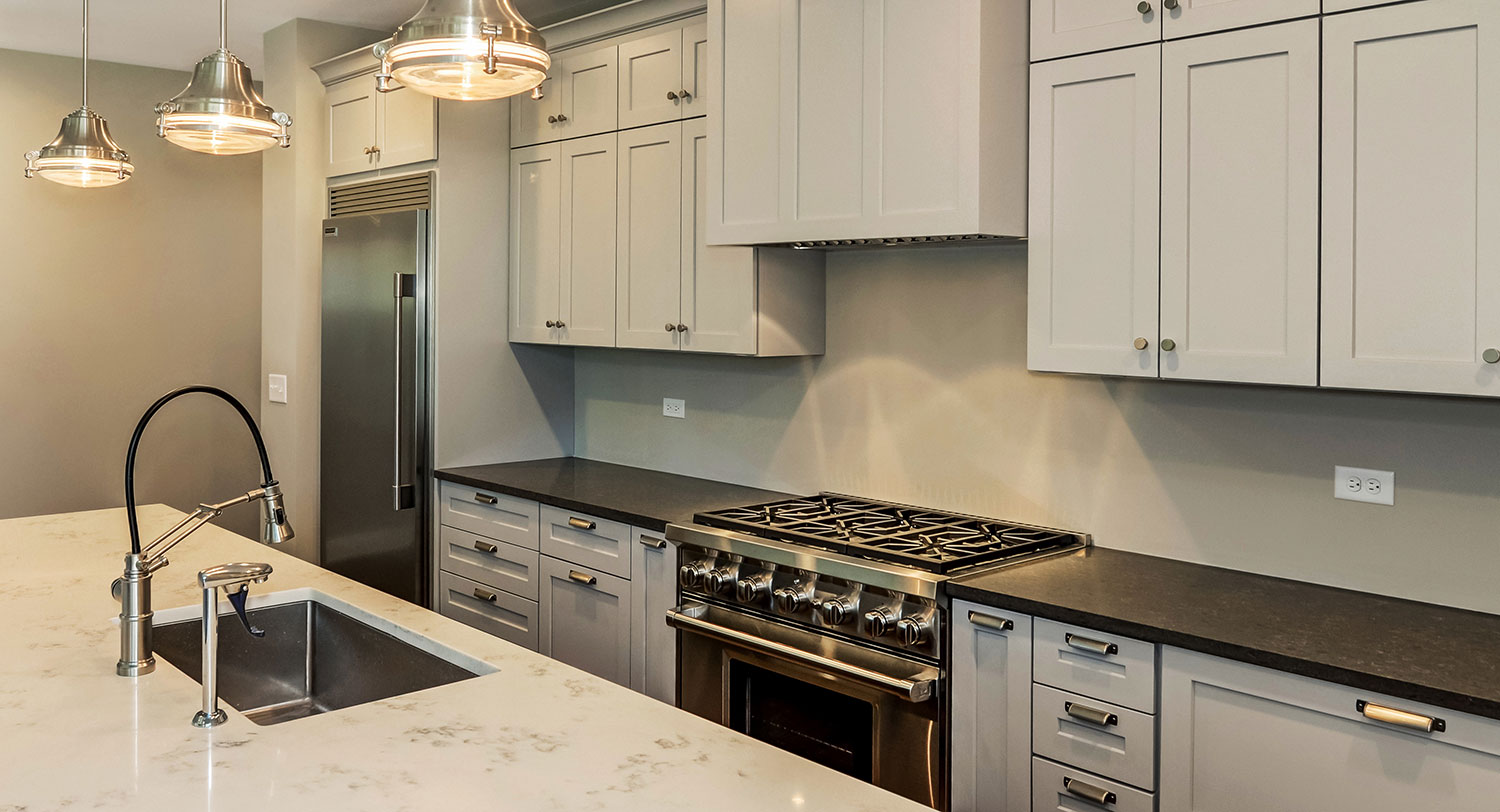
Kitchen Remodeling Ideas Designed for Custom Homes
A custom home offers the flexibility to tailor the kitchen to fit both the architectural style of the residence and the personal routines of the homeowner. Instead of adapting to a preexisting footprint, you can design the kitchen as an integrated part of the overall floor plan.
Some of the most effective kitchen remodeling concepts for custom homes include:
- Open concept layouts that seamlessly connect the kitchen to living and dining spaces
- Oversized islands that function as prep areas, seating zones, and gathering hubs
- Walk-in pantries or secondary prep kitchens for entertaining
- Floor-to-ceiling cabinetry that maximizes vertical storage
- Statement range hoods or architectural ceiling details that anchor the room
In luxury custom homes, kitchens often serve multiple purposes. They are culinary workspaces, social centers, and design focal points. By prioritizing both beauty and performance, homeowners can create a kitchen that enhances daily living while reflecting refined taste.
Design continuity is also critical. The kitchen should feel cohesive with adjacent spaces. This may include matching millwork details, complementary flooring materials, or sightlines that draw attention to architectural features such as coffered ceilings or custom built-ins.
Layout and Functionality Considerations
The layout is the foundation of any successful kitchen remodel. In a custom home, the layout can be designed from the ground up to accommodate how you live.
Key considerations include:
- The work triangle between the sink, refrigerator, and cooktop
- Traffic flow for family members and guests
- Dedicated zones for cooking, prep, cleanup, and storage
- Accessibility for future needs
For larger custom homes, many homeowners opt for expanded layouts such as L-shaped or U-shaped kitchens with a central island. Others may choose a galley-style kitchen with parallel workstations that maximize efficiency.
Smart Kitchen Remodeling Ideas for Custom Homes
Modern kitchens increasingly integrate technology and convenience features that enhance usability.
Smart design elements may include:
- Touchless faucets and voice-activated lighting
- Built-in charging stations and concealed outlets
- Smart refrigerators with inventory tracking
- App-controlled ovens and cooktops
- Automated window treatments
These features not only simplify everyday tasks but also future-proof the kitchen. As technology continues to evolve, incorporating adaptable infrastructure ensures your kitchen remains current and efficient for years to come.
Thoughtful planning also involves considering natural light. Large windows, skylights, or glass doors can brighten the kitchen while creating a welcoming atmosphere. In custom homes, positioning the kitchen to capture outdoor views can further enhance the sense of openness and connection.
Choosing Materials and Finishes for Custom Kitchens
Materials define the look and longevity of a kitchen. In custom homes, high-quality finishes are an investment in both style and durability.
Popular countertop options include:
- Quartz for its low maintenance and durability
- Natural stone such as marble or granite for timeless elegance
- Quartzite for a blend of strength and luxury appeal
Cabinet finishes may range from painted wood in classic whites and soft neutrals to rich stained finishes that highlight natural grain. Two-tone cabinetry is another common choice, pairing lighter upper cabinets with darker base units for visual contrast.
Flooring must balance aesthetics with practicality. Hardwood floors create warmth and continuity throughout open floor plans. Porcelain tile offers durability and moisture resistance. Engineered hardwood provides stability in climates with seasonal temperature fluctuations.
Backsplashes present an opportunity to introduce texture and personality. Options include:
- Full height slab backsplashes for a seamless look
- Handcrafted tile for artisanal character
- Patterned tile to add subtle visual interest
When selecting materials, consider maintenance requirements, longevity, and how each finish interacts with natural and artificial lighting. The goal is to achieve a cohesive design that withstands daily use while maintaining its visual appeal.
Custom Cabinetry and Storage Solutions
Custom cabinetry is one of the defining features of a luxury kitchen. Unlike stock options, custom cabinets are tailored to your specific layout and storage needs.
Effective storage solutions may include:
- Deep drawers for pots and pans
- Pull out spice racks and pantry shelves
- Built-in utensil organizers
- Appliance garages to reduce countertop clutter
- Hidden trash and recycling compartments
In larger custom homes, homeowners may incorporate specialty storage such as wine racks, coffee stations, or display cabinets with glass fronts. Floor-to-ceiling cabinetry not only maximizes space but also creates a polished, architectural appearance.
Attention to detail is critical. Soft close hinges, dovetail joinery, and custom hardware elevate the cabinetry from functional to exceptional. These elements contribute to long term durability and reinforce the overall sense of craftsmanship.
Integrating Appliances and Lighting
High-performance appliances are central to modern kitchen design. In custom homes, appliances are often selected for both professional-grade capability and visual harmony.
Integrated appliances allow refrigerators and dishwashers to blend seamlessly with cabinetry panels. Built-in ovens and microwave drawers create a streamlined aesthetic while optimizing workflow.
Common appliance upgrades include:
- Professional-grade gas ranges
- Induction cooktops
- Double ovens for entertaining
- Built-in beverage centers
- Under-counter refrigeration
Lighting is equally important. A layered lighting approach ensures functionality and ambiance.
This typically includes:
- Task lighting under cabinets
- Pendant lights over islands
- Recessed ceiling fixtures for general illumination
- Accent lighting inside glass cabinets
Dimmers and smart controls allow homeowners to adjust brightness according to the time of day or occasion. Proper lighting not only enhances safety and efficiency but also highlights design features and materials.
Long Term Value and Return on Investment
A well-designed kitchen consistently ranks among the most valuable improvements in a home. In custom residences, thoughtful kitchen remodeling can significantly enhance resale potential while providing daily enjoyment.
Factors that contribute to long-term value include:
- Timeless design choices rather than overly trendy finishes
- High-quality materials and craftsmanship
- Energy-efficient appliances
- Flexible layouts that adapt to evolving needs
Buyers in the western suburbs of Chicago often prioritize kitchens that combine sophistication with practicality. By investing in enduring design and expert construction, homeowners can enjoy both immediate satisfaction and lasting equity.
Frequently Asked Questions
How large should a kitchen island be in a custom home?
It depends on the overall layout, but many custom homes feature islands at least 7 to 10 feet long to accommodate seating and prep space.
Are open concept kitchens still popular?
Yes. Open layouts remain highly desirable for entertaining and family interaction.
What countertop material offers the best durability?
Quartz is widely favored for its resistance to stains and minimal maintenance requirements.
Should appliances be fully integrated?
Integrated appliances create a seamless look, but the choice depends on aesthetic preference and budget.
How can I future-proof my kitchen design?
Incorporate smart technology, flexible storage, and timeless materials to ensure longevity.
Bring Your Custom Kitchen Vision to Life
Designing a kitchen that aligns perfectly with your custom home requires expertise, craftsmanship, and a commitment to excellence. Rite-Way Custom Homes has been building and transforming extraordinary residences in the western suburbs of Chicago for over 30 years. From Glen Ellyn and Wheaton to surrounding communities, our team specializes in luxury custom homes, high-end additions, and major renovations tailored to your unique vision.
Whether you are building your dream home from the ground up or planning a comprehensive kitchen renovation, we bring meticulous attention to detail, superior materials, and personalized service to every project. Our reputation for quality and integrity has made us a trusted name in luxury home building throughout the region.
If you are ready to create a kitchen that reflects your lifestyle and enhances your custom home, contact us to schedule a consultation. Let Rite-Way Custom Homes help you design and build a space that exceeds expectations and stands the test of time.