

Learning how to buy land for a custom home is one of the most important first steps in creating a residence that truly reflects your lifestyle, priorities, and long-term goals. While the idea of building a custom home is exciting, the land you choose will influence everything from the home’s design and orientation to construction costs, permitting, utilities, privacy, views, resale value, and day-to-day convenience. For buyers in the western suburbs of Chicago, including Glen Ellyn, Wheaton, and nearby communities, purchasing land requires careful planning, local knowledge, and the right professional guidance.
Buying land is very different from buying an existing home. With a house, you can walk through the rooms, evaluate the finishes, inspect the structure, and imagine how your furniture will fit. With land, you are purchasing potential. That potential can be extraordinary, but it must be evaluated from many angles before you move forward. A beautiful lot may come with zoning restrictions, drainage concerns, teardown requirements, utility limitations, or design constraints that are not immediately obvious.
The good news is that with the right process, buying land for a custom home can be a rewarding and strategic investment. The key is to understand what to look for, what questions to ask, and when to bring in experienced professionals who can help you determine whether a property is truly suitable for the home you want to build.
Start With Your Vision for the Custom Home
Before you begin searching for land, take time to define what you want from your future home. Your ideal lot should support the way you want to live, not simply look attractive on paper. A family looking for a quiet estate-style setting may prioritize acreage, mature trees, and privacy. Another buyer may value walkability to downtown Glen Ellyn or Wheaton, proximity to schools, or easy access to commuter routes.
Consider the size and style of home you want to build. A sprawling ranch, a traditional two-story residence, a modern luxury home, or a home with extensive outdoor living areas may all require different types of lots. Think about whether you want a pool, a sport court, an outdoor kitchen, a guest suite, a four-car garage, a finished basement, or large entertaining spaces. These features can affect the lot size, grading needs, setbacks, and overall feasibility of the project.
It is also helpful to clarify your priorities early. Are you willing to compromise on location for a larger parcel? Would you accept a teardown property in an established neighborhood? Do you want a wooded lot, or would you prefer a more open site with fewer tree removal considerations? The clearer your vision is, the easier it becomes to evaluate land confidently.
Understand the Difference Between Raw Land, Improved Land, and Teardown Opportunities
When buying land for a custom home, you will typically encounter three main types of opportunities: raw land, improved land, and teardown properties.
Raw land is undeveloped property that may not have utilities, access roads, grading, or infrastructure in place. While raw land can offer flexibility, it can also come with added costs and complexity. You may need to bring in utilities, install a septic system and well, or connect to municipal sewer and water, to create driveway access, clear trees, address drainage, and complete extensive site preparation.
Improved land has already been prepared for building in some way. It may have utility access, road frontage, grading, or prior approvals. Improved lots can reduce some uncertainty, but they still require careful due diligence.
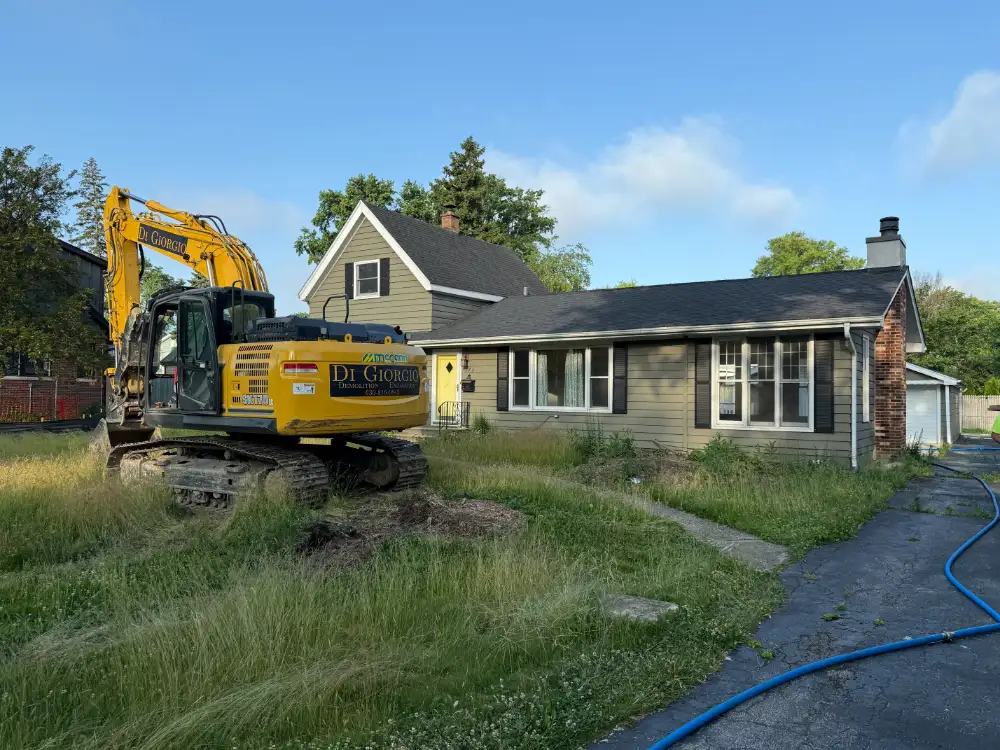
Teardown properties are common in established western Chicago suburbs. In this scenario, you purchase an existing home with the intention of demolishing it and building a new custom residence. This can be a strong option when you want to live in a mature neighborhood with established trees, nearby amenities, and limited vacant land availability. However, teardown projects require close attention to demolition costs, village requirements, utility disconnections, tree preservation rules, and neighborhood design standards.
Choose the Right Location
Location remains one of the most important factors in any real estate decision. When you are building a custom home, location is even more significant because you are making a long-term investment in both the land and the residence you plan to create.
In the western suburbs of Chicago, communities such as Glen Ellyn, Wheaton, and surrounding areas offer a blend of charm, convenience, schools, parks, downtown districts, and established neighborhoods. However, each community has its own zoning rules, permitting requirements, architectural expectations, and lot characteristics.
When evaluating location, consider:
- School districts and educational options
- Commute times to work, train and bus systems, airports, and downtown Chicago
- Proximity to shopping, restaurants, parks, and recreation
- Neighborhood character and surrounding home values
- Traffic patterns and road noise
- Future development plans nearby
- Walkability and access to trails or downtown areas
- Privacy, views, and natural surroundings
A lot may seem perfect during one visit, but it is wise to visit at different times of day. Morning traffic, evening noise, school pickup patterns, weekend activity, and seasonal conditions can all affect how the property feels.
Review Zoning, Setbacks, and Building Restrictions
Zoning determines how a property can be used and what can be built on it. Before purchasing land, confirm that the lot is zoned for the type of residential home you want to build. Even if the property appears suitable, local zoning rules may limit the size, height, placement, and features of your future home.
Setbacks are especially important. These rules determine how far the home must be from the front, rear, and side property lines. A lot may look spacious, but after setbacks are applied, the buildable area may be much smaller than expected.
Other restrictions may include:
- Maximum building height
- Lot coverage limits
- Floor area ratio requirements
- Garage placement rules
- Driveway width or curb cut restrictions
- Historic district guidelines
- Tree preservation ordinances
- Stormwater management requirements
- Easements or right-of-way limitations
- Homeowners association rules, if applicable
This is where working with an experienced custom home builder can make a major difference. A builder who understands local requirements can help you determine whether your desired home can realistically fit on the property before you commit to the purchase.
Evaluate Utilities and Site Access
Utilities are a critical part of land development. Before buying a lot, determine whether it has access to water, sewer, gas, electric, cable, and internet service. In established suburbs, many properties may connect to municipal services, but assumptions can be costly.
If utilities are not already available at the site, you will need to understand the cost and process of bringing them to the property. Extending utility lines can add significant expense. In some cases, the location of existing utility connections can affect where the home can be placed.
Site access is another important consideration. Confirm whether the property has legal access from a public road and whether the driveway location is feasible. Some lots may have challenging access due to slopes, drainage ditches, narrow frontage, or municipal restrictions.
Study the Lot’s Topography, Soil, and Drainage
The physical condition of the land can have a major impact on construction costs. A flat, dry, easily accessible lot will generally be simpler to build on than a steep, wooded, wet, or irregularly shaped parcel. That does not mean challenging lots should be avoided, but they must be evaluated carefully.
Topography affects grading, foundation design, driveway placement, drainage, and outdoor living areas. A sloped lot may be ideal for a walkout basement, but it may also require retaining walls, special engineering, or additional excavation.
Soil conditions are equally important. Poor soil may require additional foundation work, soil removal, or stabilization. Wetlands, floodplain concerns, or high water tables can also complicate the building process.
Drainage should never be overlooked. Water must move away from the home and surrounding properties properly. In many western suburban communities, stormwater management requirements are taken seriously, and your project may need engineered drainage solutions.
Budget Beyond the Purchase Price
The cost of land is only one part of the total investment. Many buyers focus heavily on the purchase price and underestimate the costs required to prepare the site for construction. A lower-priced lot may ultimately be more expensive if it requires extensive preparation.
Common land-related costs may include:
- Surveying
- Soil testing
- Environmental studies
- Architectural and engineering plans
- Permits and municipal fees
- Demolition of an existing structure
- Tree removal or tree protection
- Utility connections or upgrades
- Excavation and grading
- Stormwater management
- Driveway installation
- Landscaping and hardscaping
- Temporary construction access
- Legal and closing costs
A realistic budget should include both the land purchase and the full cost of making the property build-ready. This is another reason to involve a builder early. An experienced builder can help identify potential cost drivers before you finalize the purchase.
Get a Survey and Understand the Property Boundaries
A professional plat of survey land survey and topographical study is essential when buying and developing land for a custom home. The survey identifies property boundaries, easements, encroachments, setbacks, and other details that may affect where and how you can build.
Do not rely solely on fences, landscaping, online maps, or assumptions from a seller. A fence may not sit exactly on the property line, and neighboring improvements may encroach on the lot. Easements for utilities, drainage, or access can also limit your usable space.
A current survey gives your architect, builder, attorney, and lender accurate information to work from. It can also help prevent disputes and surprises later in the process.
Work With the Right Professionals Early
Buying land for a custom home is not something you should do alone. Even experienced homebuyers can miss important development issues because land purchases require a different kind of due diligence.
Your team may include:
- A custom home builder
- A real estate agent familiar with land and teardown opportunities
- A real estate attorney
- A surveyor
- An architect or residential designer
- A civil engineer
- A lender experienced in construction financing
- Environmental or soil consultants, when needed
Bringing in a custom home builder before you purchase the land can be is especially valuable. A builder can walk the property with you, identify potential challenges, estimate site preparation needs, and help determine whether the lot aligns with your design goals and budget.
Consider Construction Financing
Financing land and building a custom home can be different from financing an existing property. Some buyers purchase land with cash, while others use a land loan, construction loan, or construction-to-permanent loan.
A construction-to-permanent loan typically finances the construction phase and then converts into a mortgage once the home is complete. Lenders may require detailed plans, builder information, budgets, appraisals, and timelines before approving the loan.
Before buying land, speak with a lender who understands custom home construction. This will help you understand how much you can invest in the land while still preserving enough budget for design, construction, finishes, landscaping, and contingencies. A quality builder should be able to connect you with lenders who specialize in land purchases and construction lending.
Make Your Offer Contingent on Due Diligence
When you find a lot that appears to be a good fit, consider including due diligence contingencies in your offer. These contingencies give you time to investigate whether the property is suitable for your intended use.
Potential contingencies may include:
- Attorney review
- Survey review
- Soil testing
- Zoning confirmation
- Utility verification
- Financing approval
- Builder feasibility review
- Environmental review
- Permit feasibility
- Demolition assessment for teardown properties
The exact contingencies will depend on the property, the market, and your attorney’s guidance. The goal is to protect yourself from committing to land that cannot support the custom home you want to build.
Think Long Term
A custom home is a deeply personal investment, but it should also be a smart long-term decision. Think about how the property will serve you not only today, but also years from now.
Consider whether the location will continue to meet your needs as your lifestyle changes. Think about resale value, neighborhood trends, accessibility, maintenance, and future expansion possibilities. Even if you plan to stay for decades, choosing the right land can help preserve and enhance your investment.
FAQ
How much land do I need to build a custom home?
The amount of land you need depends on the size of the home, local zoning rules, setbacks, outdoor living plans, garage size, and desired privacy. In some established suburbs, a well-designed luxury home can fit beautifully on a standard neighborhood lot, while estate-style homes may require larger parcels.
Should I buy land before hiring a builder?
It is better to involve a builder before you buy the land. A custom home builder can help evaluate the lot, identify potential construction challenges, estimate site costs, and determine whether the property can support your vision.
Is it better to buy vacant land or a teardown property?
Both can be good options. Vacant land may offer a cleaner starting point, while a teardown can provide access to established neighborhoods where empty lots are rare. The better choice depends on location, budget, zoning, demolition costs, and your desired home design.
What should I check before buying land?
You should review zoning, setbacks, utilities, drainage, soil conditions, access, easements, surveys, permitting requirements, and total site development costs. It is also wise to consult a builder, attorney, and other professionals before closing.
Can I build any style of home on the land I buy?
Not always. Local zoning rules, homeowners’ association requirements, historic district guidelines, lot dimensions, and neighborhood standards may limit what you can build. Always verify restrictions before purchasing the property.
How long does it take to build after buying land?
The timeline varies based on design, permitting, site preparation, weather, municipal approvals, and construction complexity. Luxury custom homes often require additional planning and coordination to ensure the final result meets the homeowner’s expectations.
Do I need a soil test before building?
In many cases, yes. Soil testing helps determine whether the ground can properly support the foundation and whether special engineering may be required. It can also uncover issues that may affect construction costs.
What makes land more expensive to build on?
Steep slopes, poor soil, drainage issues, extensive tree removal, utility limitations, demolition needs, difficult access, and strict municipal requirements can all increase development costs.
Build With Confidence in the Western Suburbs of Chicago
Buying land for a custom home is a major decision, but it can also be the beginning of something extraordinary. The right property gives you the freedom to create a home that reflects your style, supports your lifestyle, and provides lasting value for years to come. By taking the time to evaluate location, zoning, utilities, site conditions, budget, and buildability, you can move forward with greater clarity and confidence.
At Rite-Way Custom Homes, we specialize in extraordinary custom homes, luxury home additions, and major renovations in the western suburbs of Chicago, including Glen Ellyn, Wheaton, and the surrounding suburbs. Whether you are looking to build your dream home from the ground up, expand your living space, or transform an existing home with high-end renovations, our experienced team is here to bring your vision to life with expert craftsmanship and attention to detail.
For over 35 0 years, we have built some of the most beautiful homes in the western suburbs of Chicago. Our commitment to quality, integrity, and personalized service has made us a trusted name in luxury home building. Let us help you create a home that reflects your style, meets your needs, and exceeds your expectations. Contact us today to begin planning your custom home, luxury addition, or major renovation.