The team at Rite-Way Custom Homes brings decades of combined experience in custom home building, luxury renovations, and thoughtful design to every project. From concept design and custom home construction to kitchen and bathroom remodeling, home additions, and basement finishing, our team is dedicated to helping homeowners create spaces that are both beautiful and built to last. We share practical insights, design trends, and expert advice to help you make informed decisions about your next home project.
If you have ever looked at your unfinished or underused basement and thought about turning it into something more functional, you are not alone. Basements hold incredible potential. Whether you are envisioning a cozy living space, a home office, a guest suite, or even a full entertainment area, the possibilities are wide open. However, before you start picking out flooring or sketching layouts, there is one big question that tends to come up right away. Do you actually need a basement remodeling contractor, or can you handle the project on your own?
From our experience working with homeowners, this is where many projects either start strong or quickly run into avoidable challenges. Basement remodeling is not just about aesthetics. It involves structural planning, moisture control, electrical work, and code compliance, all of which require careful attention. While some smaller updates might be manageable on your own, a full remodel often benefits greatly from professional oversight. Let’s walk through when hiring a contractor makes sense, what risks come with DIY remodeling, and how working with a professional can help you get the results you are truly looking for.
When to Hire a Basement Remodeling Contractor
Not every project requires outside help, but basement remodeling tends to fall into a category where professional guidance can make a significant difference. The moment your project moves beyond simple cosmetic updates, it is worth considering bringing in a basement remodeling contractor.
If your plans include adding walls, installing plumbing, upgrading electrical systems, or creating livable square footage, a contractor becomes essential. These types of changes require coordination across multiple trades, and even small missteps can lead to costly corrections later on.
How a Basement Remodeling Contractor Manages Projects
One of the biggest advantages of working with a basement remodeling contractor is project management. Instead of juggling multiple vendors, timelines, and responsibilities on your own, you have a single point of contact who oversees the entire process.
From our perspective, this includes:
Coordinating electricians, plumbers, and other specialists
Scheduling inspections and ensuring work meets local requirements
Managing material sourcing and delivery
Keeping the project on track from start to finish
This level of organization is what keeps projects moving forward smoothly. Without it, delays and miscommunication can quickly pile up.
Code Compliance and Structural Considerations
Basement remodels often involve more than meets the eye. Behind every finished wall or ceiling is a network of systems that must meet strict building codes.
Working with a basement remodeling contractor ensures that:
Proper permits are obtained
Egress windows are installed where required
Ceiling heights meet local standards
Electrical and plumbing systems are safely integrated
Ignoring these details can result in failed inspections or even safety risks. Having a professional handle compliance from the start helps you avoid these issues entirely.
Risks of DIY Basement Remodeling
There is no shortage of online tutorials and inspiration for DIY projects, and for smaller updates, they can be helpful. However, basement remodeling introduces complexities that go far beyond surface-level improvements.
One of the most common risks we see is underestimating moisture management. Basements are naturally more prone to dampness, and without proper waterproofing and ventilation, you could end up dealing with mold, mildew, or long-term structural damage.
Other risks include:
Improper electrical work that creates safety hazards
Inadequate insulation leading to energy inefficiency
Poor layout planning that limits functionality
Unexpected structural issues that go unnoticed
These challenges often lead homeowners to call in a basement remodeling contractor after the fact, which can increase overall costs compared to starting with professional guidance from the beginning.
What a Professional Basement Remodel Includes
A professionally managed basement remodel is about much more than finishing walls and installing flooring. It is a comprehensive process designed to transform your space into something that is both functional and long-lasting.
Design That Works for Your Lifestyle
Before any construction begins, we focus on understanding how you plan to use the space. This allows us to create a layout that supports your daily routine and long-term needs.
Whether you are looking for:
A home theater or entertainment area
A private guest suite
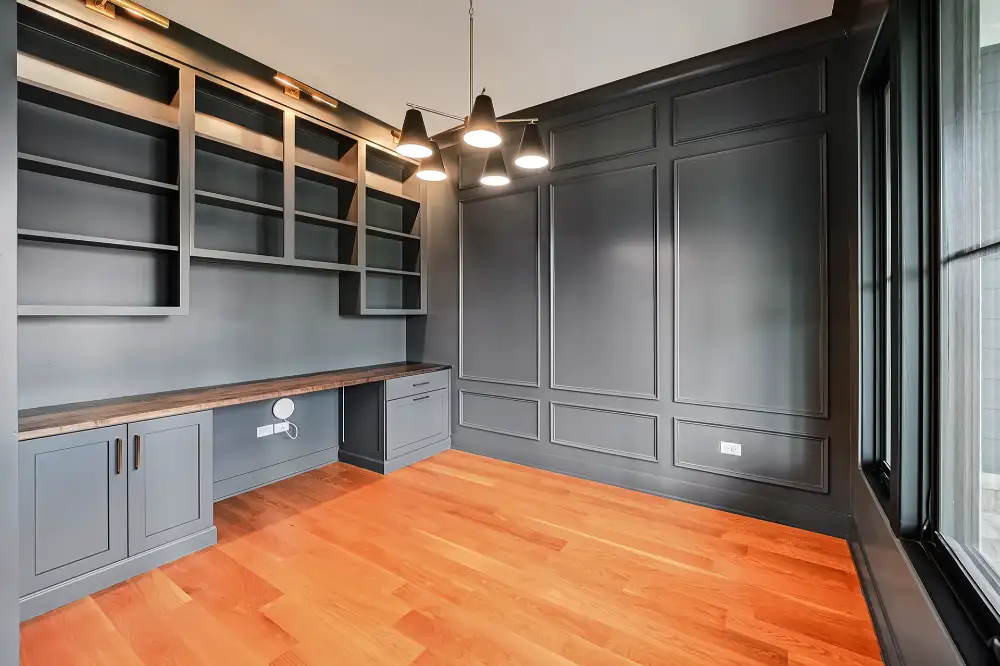
A home gym or office
Additional family living space
The design phase ensures everything is thoughtfully planned before work begins.
Structural and System Integration
Basement remodeling often involves integrating new systems with existing ones. This includes:
Extending HVAC systems for proper heating and cooling
Installing or upgrading plumbing for bathrooms or wet bars
Adding electrical circuits for lighting and outlets
Each of these elements must be carefully coordinated to ensure performance and safety.
High-Quality Finishes and Materials
Choosing the right materials is especially important in a basement environment. Moisture-resistant flooring, proper insulation, and durable finishes all play a role in how your space performs over time.
We help guide these decisions so you get a finished result that not only looks great but also holds up to everyday use.
Budgeting and Timeline Management
One of the biggest concerns homeowners have about basement remodeling is cost. Without a clear plan, expenses can quickly exceed expectations.
Creating a Realistic Budget
Working with a basement remodeling contractor allows you to build a detailed budget from the start. This includes:
Labor and materials
Permit and inspection fees
Design and planning costs
Contingency funds for unexpected issues
Having a clear financial plan helps you make informed decisions and avoid surprises along the way.
Keeping the Project on Schedule
Timelines are just as important as budgets. A well-managed project follows a structured schedule that accounts for each phase of the remodel.
This includes:
Demolition and preparation
Framing and structural work
Electrical and plumbing installation
Finishing and final inspections
By coordinating these steps efficiently, we help ensure your project stays on track and moves forward without unnecessary delays.
Frequently Asked Questions
Can I remodel my basement without a contractor? While it is possible for smaller projects, most full basement remodels benefit from professional oversight due to structural, electrical, and code requirements.
How long does a basement remodel take? Timelines vary depending on the scope of the project, but most remodels take several weeks to a few months.
What adds the most value to a basement remodel? Adding livable space, such as a bedroom, bathroom, or entertainment area, typically provides the highest return.
Do basement remodels require permits? Yes, most projects require permits, especially if they involve structural, electrical, or plumbing changes.
Is basement remodeling a good investment? In many cases, yes. A well-designed basement can significantly increase both usable space and overall home value.
Let’s Bring Your Basement Vision to Life
Taking on a basement remodel is an exciting opportunity to completely transform part of your home, but it is also a project that benefits from the right expertise. From managing complex systems to ensuring everything meets code and performs as it should, working with a basement remodeling contractor gives you confidence every step of the way.
At Rite-Way Custom Homes, we take pride in helping homeowners turn underutilized basements into spaces that truly enhance their homes. Our team brings years of experience in custom home building and remodeling, focusing on quality craftsmanship, thoughtful design, and clear communication throughout the entire process. Whether you have a clear vision or are just starting to explore ideas, we work closely with you to create a finished space that fits your lifestyle and adds lasting value to your home.
If you are ready to take the next step, we invite you to connect with our team. Visithttps://ritewaycustomhomes.com/ to learn more about our services or to schedule a consultation. Let’s create a basement space that feels just as intentional and inviting as the rest of your home.
Designing a kitchen in a custom home offers a rare opportunity to create a space that is both highly functional and visually striking. Unlike standard renovations that must work within existing limitations, kitchen remodeling ideas for custom homes allow homeowners to shape every detail around their lifestyle, preferences, and long-term goals. From expansive layouts and bespoke cabinetry to integrated technology and premium finishes, the right approach ensures the kitchen becomes the heart of the home while enhancing comfort, efficiency, and overall property value.
Custom homes in the western suburbs of Chicago often emphasize spacious living, architectural character, and thoughtful design. The kitchen should complement these qualities while supporting how families cook, entertain, and gather. Below, we explore the best kitchen remodeling strategies that align with custom home layouts, focusing on functionality, aesthetics, and enduring value.
Kitchen Remodeling Ideas Designed for Custom Homes
A custom home offers the flexibility to tailor the kitchen to fit both the architectural style of the residence and the personal routines of the homeowner. Instead of adapting to a preexisting footprint, you can design the kitchen as an integrated part of the overall floor plan.
Some of the most effective kitchen remodeling concepts for custom homes include:
Open concept layouts that seamlessly connect the kitchen to living and dining spaces
Oversized islands that function as prep areas, seating zones, and gathering hubs
Walk-in pantries or secondary prep kitchens for entertaining
Floor-to-ceiling cabinetry that maximizes vertical storage
Statement range hoods or architectural ceiling details that anchor the room
In luxury custom homes, kitchens often serve multiple purposes. They are culinary workspaces, social centers, and design focal points. By prioritizing both beauty and performance, homeowners can create a kitchen that enhances daily living while reflecting refined taste.
Design continuity is also critical. The kitchen should feel cohesive with adjacent spaces. This may include matching millwork details, complementary flooring materials, or sightlines that draw attention to architectural features such as coffered ceilings or custom built-ins.
Layout and Functionality Considerations
The layout is the foundation of any successful kitchen remodel. In a custom home, the layout can be designed from the ground up to accommodate how you live.
Key considerations include:
The work triangle between the sink, refrigerator, and cooktop
Traffic flow for family members and guests
Dedicated zones for cooking, prep, cleanup, and storage
Accessibility for future needs
For larger custom homes, many homeowners opt for expanded layouts such as L-shaped or U-shaped kitchens with a central island. Others may choose a galley-style kitchen with parallel workstations that maximize efficiency.
Smart Kitchen Remodeling Ideas for Custom Homes
Modern kitchens increasingly integrate technology and convenience features that enhance usability.
Smart design elements may include:
Touchless faucets and voice-activated lighting
Built-in charging stations and concealed outlets
Smart refrigerators with inventory tracking
App-controlled ovens and cooktops
Automated window treatments
These features not only simplify everyday tasks but also future-proof the kitchen. As technology continues to evolve, incorporating adaptable infrastructure ensures your kitchen remains current and efficient for years to come.
Thoughtful planning also involves considering natural light. Large windows, skylights, or glass doors can brighten the kitchen while creating a welcoming atmosphere. In custom homes, positioning the kitchen to capture outdoor views can further enhance the sense of openness and connection.
Choosing Materials and Finishes for Custom Kitchens
Materials define the look and longevity of a kitchen. In custom homes, high-quality finishes are an investment in both style and durability.
Popular countertop options include:
Quartz for its low maintenance and durability
Natural stone such as marble or granite for timeless elegance
Quartzite for a blend of strength and luxury appeal
Cabinet finishes may range from painted wood in classic whites and soft neutrals to rich stained finishes that highlight natural grain. Two-tone cabinetry is another common choice, pairing lighter upper cabinets with darker base units for visual contrast.
Flooring must balance aesthetics with practicality. Hardwood floors create warmth and continuity throughout open floor plans. Porcelain tile offers durability and moisture resistance. Engineered hardwood provides stability in climates with seasonal temperature fluctuations.
Backsplashes present an opportunity to introduce texture and personality. Options include:
Full height slab backsplashes for a seamless look
Handcrafted tile for artisanal character
Patterned tile to add subtle visual interest
When selecting materials, consider maintenance requirements, longevity, and how each finish interacts with natural and artificial lighting. The goal is to achieve a cohesive design that withstands daily use while maintaining its visual appeal.
Custom Cabinetry and Storage Solutions
Custom cabinetry is one of the defining features of a luxury kitchen. Unlike stock options, custom cabinets are tailored to your specific layout and storage needs.
Effective storage solutions may include:
Deep drawers for pots and pans
Pull out spice racks and pantry shelves
Built-in utensil organizers
Appliance garages to reduce countertop clutter
Hidden trash and recycling compartments
In larger custom homes, homeowners may incorporate specialty storage such as wine racks, coffee stations, or display cabinets with glass fronts. Floor-to-ceiling cabinetry not only maximizes space but also creates a polished, architectural appearance.
Attention to detail is critical. Soft close hinges, dovetail joinery, and custom hardware elevate the cabinetry from functional to exceptional. These elements contribute to long term durability and reinforce the overall sense of craftsmanship.
Integrating Appliances and Lighting
High-performance appliances are central to modern kitchen design. In custom homes, appliances are often selected for both professional-grade capability and visual harmony.
Integrated appliances allow refrigerators and dishwashers to blend seamlessly with cabinetry panels. Built-in ovens and microwave drawers create a streamlined aesthetic while optimizing workflow.
Common appliance upgrades include:
Professional-grade gas ranges
Induction cooktops
Double ovens for entertaining
Built-in beverage centers
Under-counter refrigeration
Lighting is equally important. A layered lighting approach ensures functionality and ambiance.
This typically includes:
Task lighting under cabinets
Pendant lights over islands
Recessed ceiling fixtures for general illumination
Accent lighting inside glass cabinets
Dimmers and smart controls allow homeowners to adjust brightness according to the time of day or occasion. Proper lighting not only enhances safety and efficiency but also highlights design features and materials.
Long Term Value and Return on Investment
A well-designed kitchen consistently ranks among the most valuable improvements in a home. In custom residences, thoughtful kitchen remodeling can significantly enhance resale potential while providing daily enjoyment.
Factors that contribute to long-term value include:
Timeless design choices rather than overly trendy finishes
High-quality materials and craftsmanship
Energy-efficient appliances
Flexible layouts that adapt to evolving needs
Buyers in the western suburbs of Chicago often prioritize kitchens that combine sophistication with practicality. By investing in enduring design and expert construction, homeowners can enjoy both immediate satisfaction and lasting equity.
Frequently Asked Questions
How large should a kitchen island be in a custom home?
It depends on the overall layout, but many custom homes feature islands at least 7 to 10 feet long to accommodate seating and prep space.
Are open concept kitchens still popular?
Yes. Open layouts remain highly desirable for entertaining and family interaction.
What countertop material offers the best durability?
Quartz is widely favored for its resistance to stains and minimal maintenance requirements.
Should appliances be fully integrated?
Integrated appliances create a seamless look, but the choice depends on aesthetic preference and budget.
How can I future-proof my kitchen design?
Incorporate smart technology, flexible storage, and timeless materials to ensure longevity.
Bring Your Custom Kitchen Vision to Life
Designing a kitchen that aligns perfectly with your custom home requires expertise, craftsmanship, and a commitment to excellence. Rite-Way Custom Homes has been building and transforming extraordinary residences in the western suburbs of Chicago for over 30 years. From Glen Ellyn and Wheaton to surrounding communities, our team specializes in luxury custom homes, high-end additions, and major renovations tailored to your unique vision.
Whether you are building your dream home from the ground up or planning a comprehensive kitchen renovation, we bring meticulous attention to detail, superior materials, and personalized service to every project. Our reputation for quality and integrity has made us a trusted name in luxury home building throughout the region.
If you are ready to create a kitchen that reflects your lifestyle and enhances your custom home, contact us to schedule a consultation. Let Rite-Way Custom Homes help you design and build a space that exceeds expectations and stands the test of time.
A kitchen remodeling contractor can transform one of the most important rooms in your home into a space that blends beauty, function, and long-term value. But when the proposal comes from a high-end professional with a premium price tag, many homeowners pause and ask the same question: Is it really worth the cost? The answer depends on your goals, your home’s current condition, and the level of craftsmanship you expect. For homeowners who value exceptional design, flawless execution, and a seamless experience, hiring a high-end contractor is often one of the smartest investments they can make.
Your kitchen is more than a place to cook. It is where family gathers, guests linger, and daily routines unfold. In luxury homes, the kitchen sets the tone for the entire property. Choosing the right professional to lead your renovation directly impacts not only the outcome but also your peace of mind throughout the process.
What Defines a High-End Kitchen Remodeling Contractor?
Not all contractors operate at the same level. A high-end kitchen remodeling contractor offers far more than basic installation services. They deliver a comprehensive, design-driven experience built on expertise, quality materials, and meticulous attention to detail.
Key characteristics of a high-end contractor include:
Extensive experience in luxury residential remodeling • A portfolio of custom kitchens with premium finishes and complex layouts • Strong relationships with top-tier suppliers and craftsmen • In-house or collaborative design expertise • Detailed project management and scheduling systems • Transparent communication and budgeting processes
High-end contractors often work with architects, interior designers, and specialty trades to create cohesive spaces that align with the home’s architectural style. They are skilled at integrating custom cabinetry, high-performance appliances, specialty lighting, stonework, and millwork into a unified design.
They also understand that a luxury kitchen remodel is not simply about replacing cabinets and countertops. It may involve structural modifications, reconfiguring floor plans, upgrading mechanical systems, or expanding into adjacent spaces. A contractor operating at this level has the technical knowledge to coordinate all of these elements without compromising quality.
Benefits of Hiring a Specialized Remodeling Professional
While a general contractor may handle standard renovations, a specialized kitchen remodeling professional brings focused expertise that can significantly improve both the experience and the final result.
Some of the most important benefits include:
Elevated design solutions tailored to your lifestyle • Access to premium materials and custom fabrication • Greater attention to detail in installation and finishing • Comprehensive project oversight from concept to completion • Reduced risk of costly mistakes or rework
A specialized contractor understands the nuances of kitchen design, such as workflow efficiency, appliance placement, lighting layers, storage optimization, and material durability. They help homeowners avoid common pitfalls like poorly positioned islands, insufficient ventilation, or mismatched finishes.
Another major benefit is coordination. Luxury kitchen projects often involve multiple trades, including electricians, plumbers, tile setters, cabinet makers, and painters. A seasoned remodeling contractor orchestrates these teams with precision, ensuring that timelines stay on track and quality standards remain consistent.
Beyond technical skills, experienced professionals bring clarity and confidence to the process. They anticipate challenges before they arise and offer proactive solutions that protect your investment.
Signs You Need a High-End Kitchen Remodel
Not every kitchen update requires premium expertise. However, certain circumstances make hiring a high-end contractor especially valuable.
You may need a high-end kitchen remodel if:
Your home is a custom or luxury property, and the kitchen no longer matches its overall quality • You plan to remove walls or reconfigure the layout • You want custom cabinetry, specialty finishes, or unique architectural details • You are investing in high-performance appliances and integrated systems • You expect a seamless, white-glove renovation experience
Older homes in established neighborhoods often present additional complexities. Outdated wiring, plumbing limitations, structural constraints, or uneven surfaces require careful evaluation and correction. A high-end contractor is equipped to address these issues without cutting corners.
If you are planning to stay in your home long term, the value of premium craftsmanship becomes even more significant. High-quality materials and expert installation ensure durability and timeless appeal.
How a High-End Kitchen Remodeling Contractor Adds Value
A luxury kitchen remodel should enhance both daily living and overall property value. A high-end contractor adds measurable value in several ways.
First, they elevate design quality. Thoughtful layouts improve flow, maximize storage, and create visual balance. Strategic lighting enhances both function and ambiance. Custom details such as paneled appliances, integrated shelving, or handcrafted range hoods add sophistication.
Second, they improve structural and mechanical performance. Proper insulation, ventilation, and energy-efficient systems contribute to comfort and long-term savings. These behind-the-scenes upgrades may not be immediately visible, but they significantly impact performance and longevity.
Third, they protect resale potential. In competitive real estate markets, kitchens often determine buyer perception. A beautifully executed, professionally designed kitchen stands out and justifies premium pricing. Poor workmanship or dated finishes can quickly diminish perceived value.
Finally, a reputable contractor enhances the remodeling experience itself. Clear communication, organized scheduling, and respect for your home reduce stress and disruption.
Craftsmanship, Design, and Project Oversight
High-end remodeling is defined by craftsmanship. Precision cabinet installation, seamless stone fabrication, perfectly aligned tile work, and custom millwork require skilled artisans who take pride in their work.
Attention to craftsmanship shows in details such as:
Tight, even reveals around cabinetry • Flawless paint and finish application • Smooth transitions between materials • Consistent grout lines and tile alignment • Properly fitted hardware and fixtures
Design is equally important. A skilled contractor collaborates with designers to ensure that aesthetic vision aligns with construction realities. They understand how material choices, color palettes, and textures work together to create harmony.
Project oversight ties everything together. A dedicated project manager monitors progress, coordinates trades, inspects quality, and keeps the homeowner informed. This level of supervision prevents miscommunication and ensures accountability at every stage.
Without strong oversight, even the best designs can suffer from execution issues. Premium contractors prioritize organization and communication as much as craftsmanship.
Cost vs Long Term Investment Considerations
High-end kitchen remodeling comes with a higher upfront cost. However, evaluating the decision solely on price can be misleading. Instead, consider the long-term investment.
Premium materials such as custom hardwood cabinetry, natural stone countertops, and professional-grade appliances offer durability that outlasts lower-cost alternatives. Skilled installation reduces the likelihood of premature wear, water damage, or structural issues.
There are also intangible returns:
Improved daily functionality • Enhanced enjoyment of your home • Increased pride in ownership • Greater appeal to future buyers
When mistakes occur in budget renovations, corrective work can be expensive and disruptive. Replacing warped cabinets, repairing improperly installed tile, or addressing ventilation problems often costs more than doing it right the first time.
In established, high-value neighborhoods, a subpar kitchen remodel can actually detract from property value. A high-end contractor ensures that your investment aligns with the expectations of your market.
Ultimately, the question is not simply whether a kitchen remodeling contractor is worth the cost. It is whether the quality, expertise, and peace of mind they provide justify the investment. For homeowners seeking exceptional results, the answer is often yes.
Frequently Asked Questions
How much more does a high-end kitchen remodeling contractor cost?
Costs vary by scope and materials, but premium contractors typically charge more due to expertise, custom work, and higher quality finishes.
Is hiring a designer separate from a contractor necessary?
Many high-end contractors collaborate with or include design services to ensure a cohesive result.
Will a luxury kitchen remodel increase home value?
In most cases, a well-executed remodel enhances both market appeal and resale potential.
How long does a high-end kitchen remodel take?
Timelines depend on complexity, but comprehensive renovations often take several months from planning to completion.
Can I live in my home during the remodel?
Often yes, though there will be disruptions. An experienced contractor helps minimize inconvenience.
Transform Your Kitchen with Proven Expertise
If you are considering a luxury kitchen renovation in the western suburbs of Chicago, partnering with an experienced builder makes all the difference. Rite-Way Custom Homes brings more than 30 years of experience crafting extraordinary custom homes, luxury additions, and major renovations throughout Glen Ellyn, Wheaton, and the surrounding communities.
At Rite-Way Custom Homes, we specialize in delivering exceptional results through expert craftsmanship, thoughtful design, and personalized service. Whether you are building your dream home from the ground up, expanding your living space, or transforming your existing kitchen with high-end renovations, our team is committed to bringing your vision to life with integrity and attention to detail.
Let us help you create a kitchen and home that reflect your style, support your lifestyle, and exceed your expectations. Contact us to begin planning your next project with a trusted leader in luxury home building.
In today’s competitive real estate market, luxury townhomes have emerged as one of the most sought-after options for buyers who want sophisticated design, premium finishes, and low-maintenance living without sacrificing space or quality. While a standard townhome may satisfy basic needs, a luxury build represents an entirely different standard of craftsmanship, personalization, and long-term value. For anyone evaluating higher-end properties in the western suburbs of Chicago, understanding these differences is essential before making one of the most significant investments of your life.
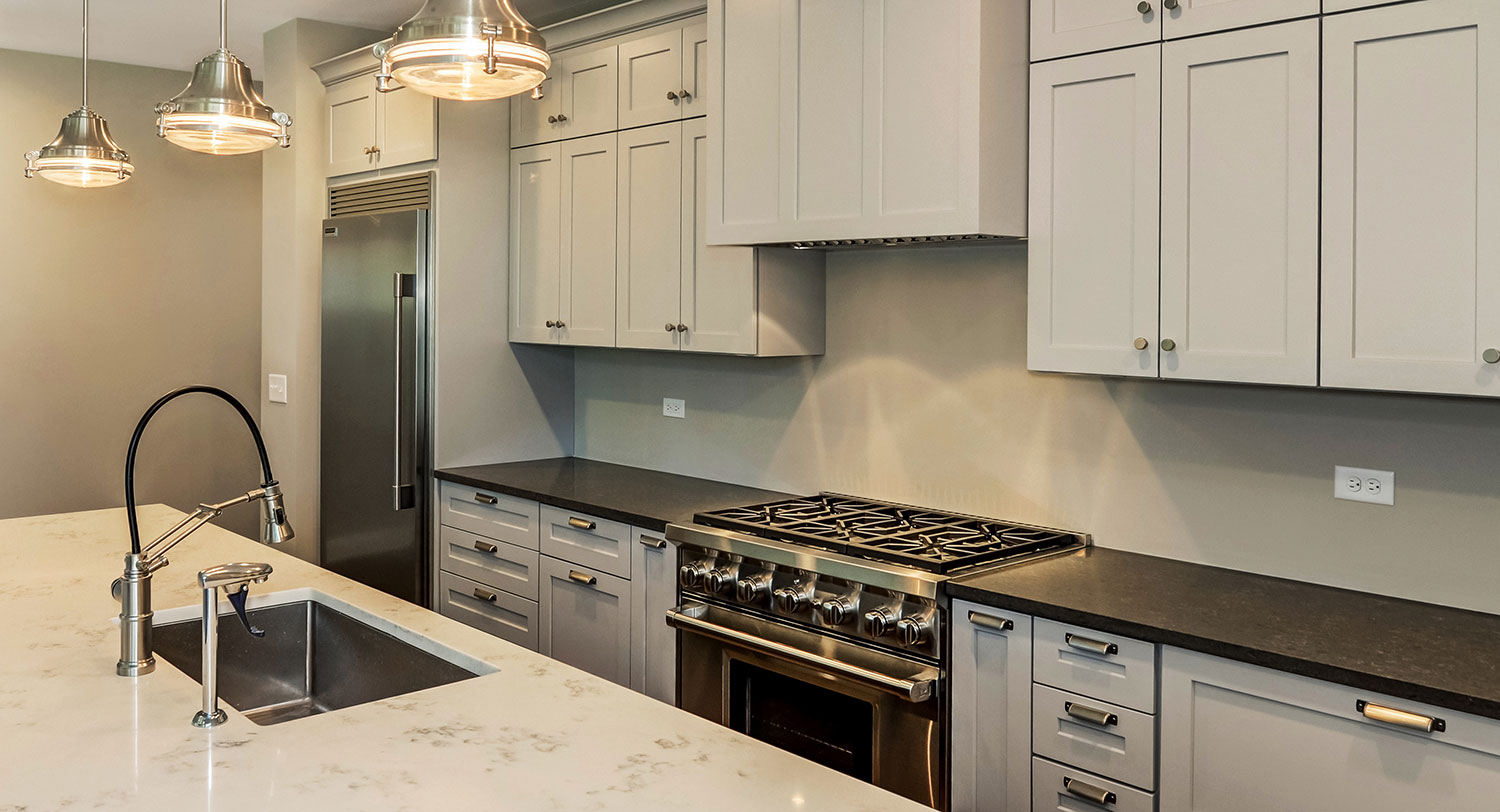
Custom kitchen and open living space in a Rite-Way luxury townhome in the western suburbs of Chicago
Architectural Design and Curb Appeal in Luxury Townhomes
One of the most immediate distinctions between luxury townhomes and standard builds is architectural presence. Standard townhomes are designed for efficiency and repetition, which often results in uniform exteriors and limited visual distinction from unit to unit. Luxury townhomes prioritize architectural integrity and timeless design that makes an individual statement while fitting harmoniously into the surrounding neighborhood.
What Sets Luxury Townhome Exteriors Apart
Custom-designed facades in luxury construction blend seamlessly with their surroundings while expressing a clear sense of identity. Builders operating at a luxury level approach each unit as a distinct architectural composition rather than a variation on a repeated production template.
Key architectural features that distinguish luxury townhomes from standard builds include:
Varied rooflines and custom elevations to eliminate repetitive visual patterns
High-quality exterior materials including natural stone, full brick, and architectural metal panels
Thoughtful landscaping that enhances curb appeal and complements the home’s overall design language
Custom window configurations and proportions designed around interior light rather than exterior cost
Design Styles Common to Luxury Townhome Construction
Luxury townhomes in communities like Glen Ellyn and Wheaton frequently draw from transitional, craftsman, and contemporary architectural vocabularies. The result is a home that remains visually appealing for decades rather than appearing dated within a few years of construction.
Superior Construction Materials and Craftsmanship Standards
Standard townhomes are typically built with cost efficiency as the primary constraint, which often means materials that meet minimum building code requirements without exceeding them. Luxury townhomes take a fundamentally different approach: durability, performance, and craftsmanship guide every decision from the foundation to the finishes.
Higher quality framing, insulation, roofing, and exterior cladding contribute to better energy efficiency, reduced long-term maintenance costs, and structural integrity that holds up over decades. Inside the home, craftsmanship becomes even more evident through fine woodworking, custom millwork, and precision installation practices that are simply not economically viable in production builds.
Common Material Upgrades Found in Luxury Townhomes
Solid core doors with custom trim profiles and hardware
Premium engineered or site-finished hardwood flooring throughout main living areas
Hand-finished cabinetry built for both longevity and daily function
High-performance windows and exterior doors rated for energy efficiency and durability
Commercial-grade roofing assemblies with extended manufacturer warranties
According to the National Association of Home Builders, homes built with higher-grade materials and construction methods consistently outperform production builds in both resale value and long-term maintenance costs. This is a core reason why buyers who are focused on the total cost of ownership tend to favor luxury construction over entry-level alternatives.
Spacious and Thoughtfully Designed Floor Plans
Another defining feature of luxury townhomes is the philosophy behind space planning. Standard townhomes rely on predictable layouts designed to fit the maximum number of units into a development footprint. Luxury townhomes focus instead on livability, flow, and the way a space actually feels to the people living in it day to day.
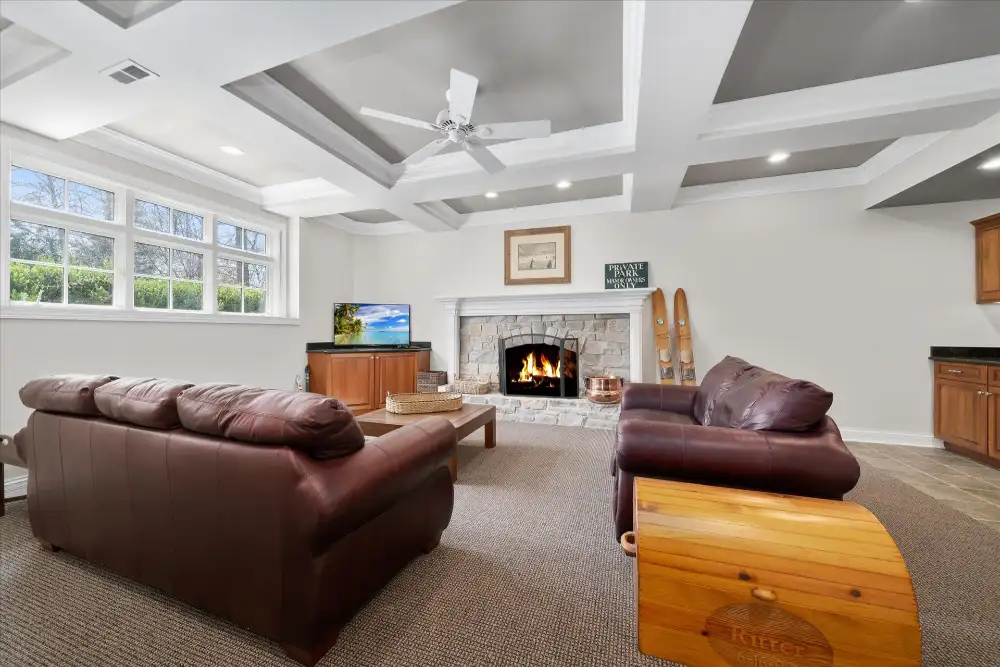
Finished lower-level living space with fireplace in a Rite-Way custom home in Glen Ellyn
Open concept living areas in luxury builds are designed with intentional zoning, allowing spaces to feel expansive yet purposeful. Ceiling heights are typically taller, creating a greater sense of volume and allowing more natural light to reach the interior. Storage is thoughtfully integrated throughout the home rather than treated as an afterthought.
Floor Plan Features That Define Luxury Townhome Living
Expansive kitchens designed for entertaining as well as everyday use
Primary suites with spa-inspired bathrooms and generously sized walk-in closets
Flexible bonus spaces including home offices, fitness rooms, and private media lounges
Finished lower levels that function as true living space, not basic utility storage
Mudroom and entry sequences designed for real-world family use
How Floor Plan Flexibility Compares Across Build Types
One of the clearest advantages of working with a luxury builder is the ability to modify a floor plan to fit your life. The experience of personalizing a townhome layout closely parallels the process of working on a fully custom project. Builders like Rite-Way Custom Homes apply the same concept design process used in custom single-family home construction to ensure that every luxury townhome reflects the client’s actual priorities rather than a builder’s default assumptions.
High-End Kitchens and Bathrooms
Kitchens and bathrooms are where the difference between luxury and standard builds becomes most visible. Standard townhomes are typically equipped with builder-grade fixtures and a limited selection of finish packages. Luxury townhomes treat these spaces as the design focal points they actually are, investing in quality that elevates every interaction with the home.
Kitchen and Bathroom Features That Distinguish Luxury Townhomes
Luxury kitchens typically feature custom cabinetry, premium countertops such as quartzite, marble, or engineered stone, and professional-grade appliances integrated seamlessly into the overall design. Layouts are planned with both function and form in mind, making them as practical for daily meals as they are impressive for entertaining guests.
Luxury bathroom features commonly include:
Large-format tile or natural stone wall and floor surfaces with minimal grout lines
Freestanding soaking tubs and walk-in showers with curbless, barrier-free access
High-end plumbing fixtures in refined finishes including brushed gold, matte black, and polished nickel
Radiant floor heating for year-round comfort underfoot
Custom vanity storage and lighted mirror configurations
Smart Home Technology Integration
Technology is another dimension where luxury townhomes pull away from standard builds. Production homes may include basic pre-wiring and minimal smart features. Luxury townhomes are designed with modern living in mind from the infrastructure out, allowing integrated systems to manage lighting, climate, security, and entertainment from a unified platform.
Smart Features Commonly Found in Luxury Townhomes
Programmable multi-zone lighting and climate control systems
Advanced security and remote-access entry with camera integration
Whole-home audio infrastructure pre-wired for future expansion
Structured wiring panels and high-capacity networking throughout
Pre-wiring for Level 2 electric vehicle charging in attached garages
These systems are designed to be scalable, meaning they can evolve with changing technology over the life of the home rather than requiring costly retrofits.
Energy Efficiency and Sustainable Building Practices
Luxury townhomes are increasingly built with sustainability and long-term efficiency as core design priorities, not optional upgrades. Standard townhomes may meet basic energy codes. Luxury builds routinely exceed them through advanced construction techniques and high-performance assemblies that reduce both utility costs and environmental footprint.
Energy-Efficient Features in Luxury Townhome Construction
High-performance triple-pane windows and thermally broken exterior doors
High-efficiency HVAC systems with multi-zone control and variable speed motors
Enhanced wall, roof, and slab insulation systems well above code minimums
Energy-efficient LED lighting and appliance packages throughout
ERV or HRV ventilation systems for improved indoor air quality
Privacy and Sound Control Between Units
One of the most common concerns about townhome living is noise transfer between attached units. Standard builds typically offer minimal acoustic separation, which can meaningfully affect daily comfort and the sense of privacy. Luxury townhomes address this through construction practices that production builders rarely use.
How Luxury Townhomes Achieve Superior Sound Isolation
Advanced acoustic insulation assemblies, double-stud party wall systems, and strategic floor plan layouts that place bedrooms and quiet spaces away from shared walls all contribute to the noticeably quieter environment found in luxury attached construction. This focus on privacy allows luxury townhome owners to enjoy the practical benefits of attached living without the acoustic trade-offs that give standard townhomes their reputation.
Customization and Personalization Opportunities
One of the most compelling reasons buyers choose luxury townhome construction over purchasing an existing standard build is the ability to personalize the home to their exact preferences. Standard townhomes typically offer a few finish packages with predetermined selections. Luxury builds offer a design experience that is closer to building a custom single-family home than selecting from a builder menu.
Custom game room and finished lower level in a Rite-Way home featuring brick fireplace and hardwood floors
What Buyers Can Typically Customize in Luxury Townhomes
Floor plan modifications tailored to specific lifestyle priorities
Unique exterior and interior material combinations
Custom cabinetry profiles, hardware, countertop materials, and tile selections
Specialty features such as wine cellars, home theaters, golf simulators, or custom mudrooms
Architectural detailing including coffered ceilings, built-in millwork, and custom staircases
This level of personalization is one of the key reasons buyers who have worked with a custom builder rarely return to production construction. It also helps explain why luxury homes built this way continue to stand out in the resale market years after completion.
Location and Lifestyle in Chicago’s Western Suburbs
Luxury townhomes are typically located in communities where walkability, access to dining and retail, school quality, and neighborhood character are all strong. In the western suburbs of Chicago, communities including Glen Ellyn, Wheaton, Naperville, Hinsdale, and St. Charles offer buyers a consistent combination of small-town livability and strong long-term property values that has made these markets perennially attractive to luxury buyers.
For buyers interested in new luxury construction, identifying the right site is a critical first step that often gets underestimated. Rite-Way Custom Homes provides property acquisition services specifically to help clients find and evaluate lots before the design process begins, which is a meaningful advantage in competitive suburban markets where premium buildable lots do not stay available for long.
Luxury Townhomes vs. Standard Builds: A Direct Comparison
Feature
Standard Townhome
Luxury Townhome
Exterior Materials
Vinyl siding, basic masonry
Natural stone, full brick, architectural metal
Interior Finishes
Builder-grade, limited packages
Custom cabinetry, premium stone, hardwood
Floor Plan
Fixed production layouts
Semi-custom or fully custom options
Kitchen and Bath
Standard fixtures, basic counters
Professional appliances, natural stone, custom millwork
Technology
Basic pre-wiring
Integrated smart home systems
Energy Performance
Meets minimum code
Exceeds code with high-efficiency systems
Sound Control
Minimal acoustic separation
Double-stud party walls, advanced insulation assemblies
Long-Term Value
Moderate resale potential
Strong appreciation, reduced maintenance costs
Questions to Ask When Evaluating a Luxury Townhome Builder
Not every builder who uses the word “luxury” operates at that standard. Before committing to a project, it is worth evaluating the builder’s track record, project portfolio, and process transparency. The right partner will be open about materials, subcontractors, and the level of client involvement available at each phase of design and construction.
Key Questions for Buyers Considering Luxury Townhomes
How many luxury townhome projects has the builder completed in this specific market?
What level of floor plan customization is available and at what phase of the project?
How are design changes handled once construction has started?
What warranty coverage is included, and what does it specifically cover?
Can the builder provide references from clients who completed a project within the last two years?
Who performs the work directly and who is subcontracted?
The same level of diligence applies when considering a builder for a luxury home addition or a significant renovation project. Craftsmanship, communication, and consistency across all phases of the engagement are the markers that separate exceptional builders from average ones.
Long-Term Investment Potential of Luxury Townhomes
While luxury townhomes require a higher initial investment than standard production builds, they have historically delivered stronger long-term returns. Superior construction, timeless architectural design, and desirable suburban locations contribute to resale values that hold up more reliably than production alternatives over time. For a more detailed look at the financial argument for luxury attached construction, the post Are Luxury Townhomes a Smart Long-Term Investment? covers the topic from multiple angles.
Luxury townhomes also tend to age with more grace than standard builds, requiring fewer major repairs and renovations over the first two decades of occupancy. This durability and enduring market appeal make them a sound choice for homeowners focused on both quality of life and long-term financial performance.
Build Your Luxury Townhome with Rite-Way Custom Homes
The difference between a luxury townhome and a standard build ultimately comes down to the experience, expertise, and commitment of the builder involved. At Rite-Way Custom Homes, we have spent over 35 years building some of the most beautiful homes in the western suburbs of Chicago, earning a consistent reputation for quality, integrity, and personalized service throughout Glen Ellyn, Wheaton, and the surrounding communities.
Whether you are exploring a new luxury townhome, planning a custom home building project from the ground up, or considering a major renovation or luxury home addition, we are committed to bringing your vision to life with craftsmanship that is evident in every detail. Contact Rite-Way Custom Homes today to start the conversation about your next project.
Frequently Asked Questions About Luxury Townhomes
What is the primary difference between a luxury townhome and a standard townhome?
The most important differences are construction materials, design quality, customization options, and the level of craftsmanship applied throughout the project. Luxury townhomes use higher-grade exterior and interior materials, offer far greater flexibility in floor plans and finishes, incorporate advanced technology and energy systems, and are built by specialized teams with experience delivering at that level of quality consistently.
Are luxury townhomes a good investment in Chicago’s western suburbs?
Yes. Communities such as Glen Ellyn, Wheaton, and Naperville maintain strong, consistent property values. Luxury townhomes built with superior materials and located in desirable neighborhoods tend to appreciate more reliably than production builds and require significantly fewer costly repairs over their useful life.
Can I customize the floor plan of a luxury townhome?
In most cases, yes. Builders specializing in luxury construction typically offer semi-custom or fully custom floor plan options. This allows buyers to shape the layout around their specific lifestyle priorities rather than accepting a fixed production design. The degree of flexibility varies by builder, so this is an important question to ask early in the evaluation process.
How does sound control in a luxury townhome compare to a standard build?
Luxury townhomes are typically built with advanced acoustic insulation and double-stud party wall systems that substantially reduce noise transfer between attached units. This is one of the most meaningful practical differences for buyers who are concerned about privacy in an attached-living situation.
What smart home features are typically included in a luxury townhome?
Common integrations include programmable multi-zone lighting and climate control, advanced security and remote-access systems, whole-home audio infrastructure, structured wiring, and pre-wiring for electric vehicle charging. The specific features available depend on the builder and the level of customization included in the project.
How do I find a qualified luxury townhome builder in the western suburbs of Chicago?
Look for builders with a proven portfolio of completed luxury projects in your target area, verifiable client references from recent projects, and a transparent process for customization and design changes. Rite-Way Custom Homes has built luxury homes and townhomes throughout the Glen Ellyn, Wheaton, and greater Chicago western suburbs area for over 35 years.
Luxury real estate has long been associated with stability, prestige, and sustained financial performance, and within that category, the luxury townhome investment has emerged as one of the most compelling options available to both owner-occupants and income-focused buyers. Combining premium construction, upscale design, and more manageable ownership costs than a comparable single-family estate, luxury townhomes occupy a strategic position in the market. Whether you are evaluating a primary residence with strong resale potential or a property designed to generate long-term rental income, understanding the full picture is essential before committing.
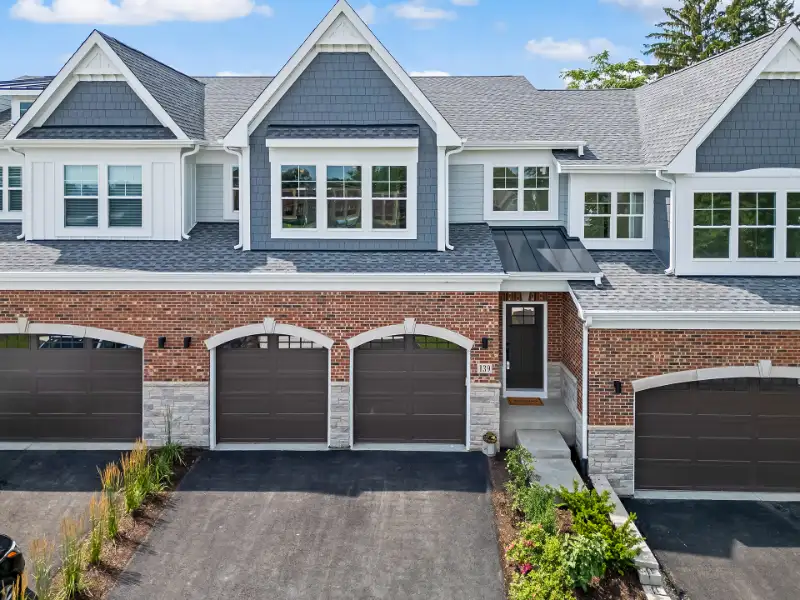
Luxury townhome exterior featuring brick, stone, and custom garage at 139 Harding by Rite-Way Custom Homes
The Case for a Luxury Townhome Investment
Unlike standard attached housing, luxury townhomes are designed and built to a standard that aligns with long-term ownership priorities: durable materials, timeless architecture, and finishes that hold their appeal across market cycles. This is not simply a lifestyle decision. It is a financial one, and the construction quality that defines a true luxury build plays a direct role in how the property performs over time.
Buyers and investors who understand the distinction between a luxury townhome and a production build recognize that the gap in quality often translates directly into a gap in resale value, rental rates, and long-term marketability. For a deeper look at what separates these two categories, the post What Makes a Luxury Townhome Different from Standard Builds? covers the specifics in detail.
Why a Luxury Townhome Investment Holds Long-Term Appeal
Several structural factors make luxury townhomes an attractive long-term hold for both personal use and investment purposes:
Broad buyer appeal across multiple demographics, including professionals, downsizers, and families
High-quality construction that depreciates more slowly than production alternatives
Strong demand in suburban markets where land is finite and new luxury supply is constrained
Lower maintenance obligations compared to single-family homes of equivalent size and finish level
Dual-purpose utility as both a primary residence and a future income-generating rental
Long-Term Appreciation Potential
One of the primary considerations in any real estate investment is appreciation. Luxury townhomes built in high-demand suburban markets with strong school districts, vibrant commercial corridors, and commuter access tend to appreciate steadily over time. While appreciation rates may differ from large single-family homes in some markets, well-positioned luxury townhomes consistently deliver value growth that outpaces inflation over extended holding periods.
Factors That Drive Luxury Townhome Investment Value Over Time
Several variables consistently support appreciation in the luxury attached segment:
Limited land availability in established suburban communities with high barriers to new development
Increasing buyer demand for high-quality housing with reduced maintenance responsibilities
Architectural and material quality that ages well and avoids the dated appearance of lower-cost builds
Proximity to retail, dining, transit, and community amenities that attract consistent buyer interest
Custom builder reputation and demonstrated craftsmanship that commands a premium at resale
According to the National Association of Realtors, luxury properties in established suburban markets have consistently demonstrated stronger price resilience during market corrections than entry-level or mid-market alternatives. This is largely due to the financial stability of the buyer pool and the scarcity of high-quality product in desirable locations.
How Construction Quality Connects to Appreciation
A luxury townhome built by an experienced custom builder and maintained properly should require fewer major capital expenditures over its first two decades of ownership than a comparable production townhome. This reduces the total cost of ownership substantially and supports a higher net return at the point of sale. Quality and appreciation are not separate conversations. They are the same conversation.
Lower Maintenance and More Predictable Ownership Costs
One of the most underappreciated financial advantages of luxury townhome ownership is the reduction in maintenance complexity compared to a detached single-family home of equivalent finish level. Exterior maintenance, landscaping, and in many cases roofing and structural elements are managed through a homeowners association, converting variable and unpredictable repair expenses into fixed, budgetable monthly costs.
What Predictable Costs Mean for Investment Performance
For investors, this predictability directly improves cash flow modeling and reduces the risk of unexpected capital calls that erode returns. For owner-occupants, it preserves time and eliminates the logistical burden of managing exterior contractors, seasonal upkeep, and emergency repairs. Both groups benefit from the same structural advantage: a home that performs at a high level without requiring constant attention.
It is worth noting that HOA quality varies significantly across developments. Before committing to a luxury townhome purchase, it is important to review:
Reserve fund balance and funding percentage relative to total estimated replacement costs
Historical special assessment frequency over the past ten years
Scope of maintenance obligations covered versus the owner’s responsibility
Restrictions on short-term rentals or lease terms if income generation is part of the plan
Rental Income Potential in the Luxury Segment
Luxury townhomes can perform well as rental properties in markets where high-income renters seek upscale residences that offer privacy, refined finishes, and access to top-tier communities without the commitment of ownership. The rental case for luxury attached housing has strengthened considerably over the past decade as household formation patterns have shifted and more high-income individuals choose renting as a deliberate lifestyle preference rather than a transitional necessity.
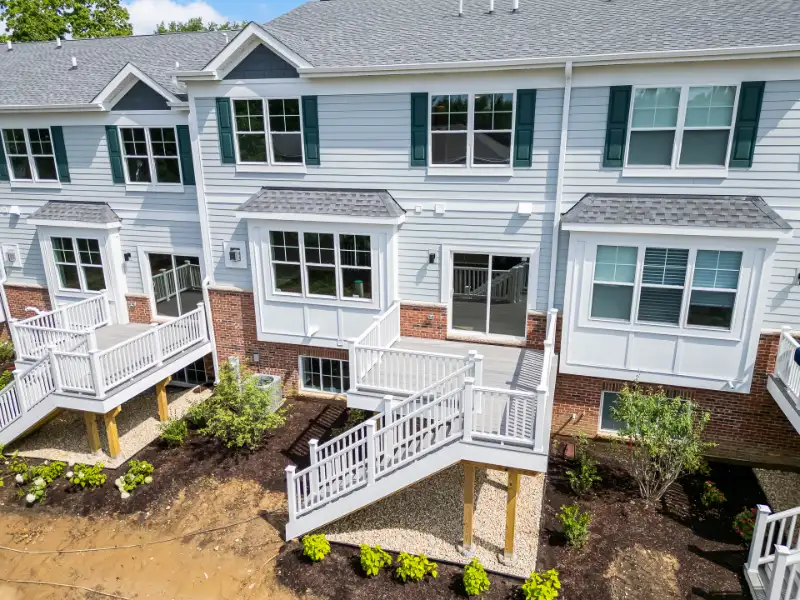
Rear elevation of luxury townhomes at 139 Harding featuring private outdoor spaces and custom architectural detailing
Who Rents Luxury Townhomes?
Understanding the tenant profile for luxury attached housing helps clarify the income stability of this property type as a rental investment:
Relocating professionals seeking furnished or move-in-ready housing in established communities
Empty nesters testing a new market or lifestyle before committing to a purchase
Families in transition during a custom home build or major renovation project
High-income individuals who prefer the flexibility of renting and the quality of luxury finishes
Because luxury townhomes attract financially stable, long-term tenants, vacancy periods tend to be shorter and properties typically experience less wear between tenancies. Rental income generated over a five to ten year hold can substantially offset total ownership costs while the underlying asset continues to appreciate.
Demographic Shifts Supporting Long-Term Demand
Real estate investment performance is closely tied to the demographic trends shaping buyer and renter demand over time. Current shifts strongly favor the luxury townhome segment across multiple fronts.
Key Buyer Segments Driving Demand
Baby boomers continue to downsize from large single-family homes in search of high-end living environments that require less maintenance and offer proximity to community amenities. Younger professionals and dual-income households are prioritizing location, build quality, and lifestyle over maximum square footage. Both groups are growing, and both groups are underserved by production builders who cannot deliver at the quality level they demand.
Additionally, accessibility considerations are increasingly influencing purchase decisions across age groups. Luxury townhomes built with flexible layouts, main-level bedroom options, and wider doorways serve a buyer who expects to remain in the home through multiple life stages. This adaptability reduces resale risk and broadens the buyer pool at the point of exit.
What the Numbers Say About Luxury Attached Housing
The share of buyers prioritizing lower-maintenance housing with premium finishes has grown consistently over the past decade. As suburban markets absorb continued demand from urban out-migration and domestic relocation activity, the supply of high-quality luxury attached housing has not kept pace. That supply-demand imbalance is one of the most durable structural advantages supporting luxury townhome investment performance going forward.
Market Resilience During Economic Cycles
Luxury townhomes have demonstrated meaningful resilience during market downturns relative to other property types. This resilience stems from several reinforcing factors. The buyer pool for luxury attached housing tends to be financially stable, with lower leverage ratios and stronger credit profiles than entry-level buyers. Forced sellers are less common in this segment, which supports price floors during periods of broader market stress.
Because luxury townhomes serve both owner-occupants and renters, they benefit from diversified demand. During periods when buyer hesitation increases, rental demand typically rises, providing a buffer against vacancy and income disruption. This flexibility gives luxury attached properties a risk profile that is more stable than niche or speculative property types in the same price range.
Comparing Investment Options: Luxury Townhome vs. Single-Family vs. Condo
Every investment category in residential real estate carries distinct advantages and trade-offs. Understanding how luxury townhomes compare to the alternatives helps clarify where they fit within a broader investment strategy.
Factor
Luxury Townhome
Single-Family Luxury Home
Luxury Condo
Acquisition Cost
Moderate relative to finish level
Higher, often significantly
Varies widely by market
Maintenance Responsibility
Exterior managed by HOA
Fully owner-managed
Mostly HOA-managed
Appreciation Potential
Strong in supply-constrained markets
Highest absolute upside
More variable, market-dependent
Rental Flexibility
Good with HOA review
Fully flexible
Often restricted by HOA
Privacy
High with quality construction
Maximum
Lower, shared building systems
Customization
Semi-custom to fully custom options
Fully custom possible
Limited to interior finishes
Land Ownership
Yes (lot ownership)
Yes (full lot)
No (airspace only)
For investors seeking a balance between appreciation potential, income flexibility, and manageable ownership obligations, luxury townhomes represent a well-rounded middle ground that outperforms condos on privacy and customization while remaining more accessible than comparable single-family homes.
The Role of Construction Quality in Investment Performance
Not all townhomes marketed as luxury deliver at that standard. Construction quality is one of the most decisive factors in determining how a property performs financially over a ten to twenty year hold period. Luxury townhomes built by experienced custom builders tend to outperform mass-produced alternatives because they prioritize durability, craftsmanship, and architectural longevity over short-term cost efficiency.
Custom tile shower with built-in niche and premium fixtures in a Rite-Way luxury townhome bathroom
Construction Indicators That Protect Your Luxury Townhome Investment
When evaluating a luxury townhome as an investment, the following construction quality markers directly influence long-term value retention:
Premium exterior materials that require minimal long-term upkeep and resist weathering
High-efficiency mechanical systems with extended service life and lower operating costs
Solid core interior construction including doors, trim profiles, and cabinetry
Acoustic insulation systems between units that protect privacy and marketability at resale
Thoughtful floor plans that adapt to multiple use cases over time rather than serving a single lifestyle profile
The difference between a builder who applies true custom home standards to townhome construction and one who uses the word “luxury” as a marketing description is measurable in both the finished product and the resale data years later. Working with Rite-Way Custom Homes means the same craftsmanship applied to a custom home building project carries through to every attached residence we deliver.
Customization as an Investment Differentiator
Luxury townhomes that offer meaningful customization options consistently stand apart in the resale market. Buyers at the luxury level are attracted to homes that feel distinctive and personally considered rather than uniform. A townhome with custom architectural elements, tailored interiors, and high-end material selections commands a measurable premium over a comparable production unit with basic finishes, even years after original sale.
The ability to incorporate personalized features during construction also reduces the likelihood of costly renovation projects down the line, which preserves both the owner’s capital and the home’s market-ready condition. For buyers exploring what a custom approach to townhome construction actually involves, the concept design process used by Rite-Way Custom Homes reflects the same standards applied to fully custom single-family residences.
Investing Across Different Life Stages
One of the more nuanced arguments in favor of luxury townhome ownership is how well the property type serves buyers across multiple life stages. Unlike a large single-family home that may become impractical to maintain as circumstances change, or a condo that lacks flexibility and outdoor space, a luxury townhome often adapts to evolving needs more gracefully.
How Investment Strategy Shifts by Buyer Profile
Early-career professionals: Establish equity in a premium asset while benefiting from lower maintenance obligations and a lifestyle-forward living experience
Growing families: Access high-quality construction and flexible floor plans in established communities with strong schools and long-term resale fundamentals
Downsizers: Capture equity from a larger home while moving into a custom-level residence that requires less physical and financial upkeep
Investors: Acquire a durable asset with broad tenant appeal, predictable operating costs, and appreciation potential in supply-constrained suburban markets
In each case, the underlying investment logic is consistent: a well-built luxury townhome in a desirable market serves the owner’s current needs while building long-term equity and market value. Whether or not you eventually contact Rite-Way Custom Homes to begin a project, understanding this alignment between lifestyle and financial performance is the foundation of a sound decision.
Key Questions to Ask Before Making a Luxury Townhome Investment
A successful long-term investment requires asking the right questions before the purchase, not after it. Below are the most important considerations for buyers evaluating a luxury townhome investment from a financial performance perspective.
Due Diligence Checklist for Luxury Townhome Buyers
What is the builder’s track record of completed projects and post-sale client satisfaction?
Has the development experienced any significant construction defect claims or HOA litigation?
What is the current HOA reserve fund balance and what percentage of full funding does it represent?
Are there any restrictions on leasing the property, and what is the current renter-to-owner ratio?
What comparable sales exist within the development or nearby, and how have prices trended over the past five years?
What is the absorption rate for luxury attached housing in this specific submarket?
If you are building rather than buying an existing unit, working with a builder who offers property acquisition support can be a meaningful advantage in identifying sites with the strongest long-term investment fundamentals before design and construction begin.
Build Your Luxury Townhome Investment with Rite-Way Custom Homes
The long-term performance of a luxury townhome investment is inseparable from the quality of the builder who delivers it. At Rite-Way Custom Homes, we bring over 35 years of custom home building experience to every project we undertake, applying the same craftsmanship standards to luxury townhome construction that our clients expect from a luxury home addition or a fully custom single-family residence.
If you are considering a luxury townhome project, an entirely custom home, or a major renovation, we welcome the conversation. Contact Rite-Way Custom Homes today to discuss your goals and how we can help you build an asset that performs for decades to come.
Frequently Asked Questions About Luxury Townhome Investments
Is a luxury townhome a good long-term investment?
Yes, for most buyers and investors. Luxury townhomes built with high-quality materials in supply-constrained markets tend to appreciate steadily, attract financially stable tenants when used as rentals, and require less maintenance capital than comparable single-family homes. Long-term performance depends significantly on construction quality, builder reputation, HOA financial health, and local market fundamentals.
How do luxury townhomes perform compared to single-family homes as investments?
Single-family luxury homes may offer slightly higher absolute appreciation in some markets due to full land ownership and no shared walls. Luxury townhomes, however, offer a more manageable total cost of ownership, broader buyer appeal at resale, and lower acquisition cost relative to the finish level. For many investors, this combination delivers a stronger net return over a ten to twenty year hold.
Can I rent out a luxury townhome?
In most cases, yes. However, HOA rules vary. Some associations restrict short-term rentals or impose minimum lease terms. Before purchasing as an investment, review the HOA governing documents carefully and confirm the current ratio of owner-occupants to renters within the development, as lender financing guidelines are also affected by this ratio.
What makes one luxury townhome a better investment than another?
Construction quality, builder reputation, location fundamentals, HOA financial health, floor plan adaptability, and the level of customization incorporated into the home are the primary differentiators. A townhome built with the craftsmanship standards of a custom single-family residence will consistently outperform a production alternative across every investment metric over time.
Does customization add resale value to a luxury townhome?
Yes. Luxury townhomes with custom architectural details, premium material selections, and thoughtfully personalized interiors consistently command a resale premium over comparable units with standard finishes. Customization that reflects timeless design rather than short-lived trends has the strongest positive effect on long-term resale value.
How important is the builder when evaluating a luxury townhome as an investment?
Extremely important. The builder’s experience, subcontractor relationships, materials sourcing, and quality control practices are all reflected in the finished product. A home built with true custom standards requires less maintenance capital, ages more gracefully, and commands higher prices at resale and in the rental market than one built to a lower standard regardless of how it is marketed.